Counting the Cost: Funding the UK’s Environmental Future

Putting the Budget to the Test: Are Environmental Promises Adding Up?
The saying “put your money where your mouth is” resonates regarding government budgets. Does spending match campaign promises? Labour’s latest budget allows us to see if the numbers align with their ambitions for the UK’s natural world. Let’s explore whether the financial plans support critical goals like nature-friendly farming and habitat restoration—and what it means for organisations like Protect Earth.
Why the Stakes Are High
Nature isn’t just a nice-to-have—it’s essential. From food security to economic resilience, environmental health underpins it all. According to the UN Environment Programme, nature loss could shrink UK GDP by 12%, eclipsing the impacts of the 2008 financial crisis or the pandemic.
The updated Environmental Act (2021) pledged to:
-
Halt species decline by 2030 and increase populations by 10% by 2042.
-
Restore rivers, reduce pollution, and manage water use.
-
Expand tree and woodland cover to 17.5% by 2050.
-
Halve per-person landfill waste by 2042.
-
Cut exposure to harmful air pollution.
-
Restore 70% of Marine Protected Areas by 2042.
These goals are ambitious, but they risk becoming wishful thinking without adequate funding and accountability.
Labour’s 2024 Budget: Progress or Plateau?
Nature-Friendly Farming
Labour is maintaining Defra’s annual farming budget at £2.4 billion—the same budget allocated to Defra since 2007, meaning its value has effectively been reduced by inflation. Funding falls short of the £3.1 billion annual investment recommended by experts to meet legal environmental targets.
The Environmental Land Management (ELM) programme, launched in 2023, is seeing its funding to support sustainable food creation and biodiversity recovery increase to £1.8 billion.
Habitat Restoration and Creation
Over two years, the budget commits £400 million to peatland restoration and tree planting. Clarity is still needed on how this fund will be administered and accessed, with most assuming it will resemble the previous Nature for Climate fund.
Comparing Budgets: A Shrinking Vision?
The previous Nature for Climate Fund (2021) set aside £640 million, with over £500 million earmarked for tree planting. Yet, the UK consistently failed to meet its annual goal of 30,000 hectares. Rather than digging in to get the work done, the target for UK woodland coverage by 2050 has been reduced from 17.5% to 16.5%.
Meeting environmental targets means playing catch-up: planting more trees annually while contending with storms, diseases, and species decline. Woodland restoration is a long game—delays today make future goals harder, if not impossible, to achieve.
The Bigger Picture: Is This Enough?
Industry experts are voicing concerns:
-
Skills Gap: With shifts in farming and land management, insufficient training risks undermining progress.
-
Target Reductions: Instead of tackling failures, targets are quietly downgraded, eroding trust.
-
Woodland Creation Delays: Woodlands are vital habitats. Without urgent action, species decline cannot be reversed.
The urgency is stark: storms and diseases have decimated existing woodlands. Without immediate and sustained efforts, future generations of wildlife will have nowhere to call home.
How Protect Earth is Impacted
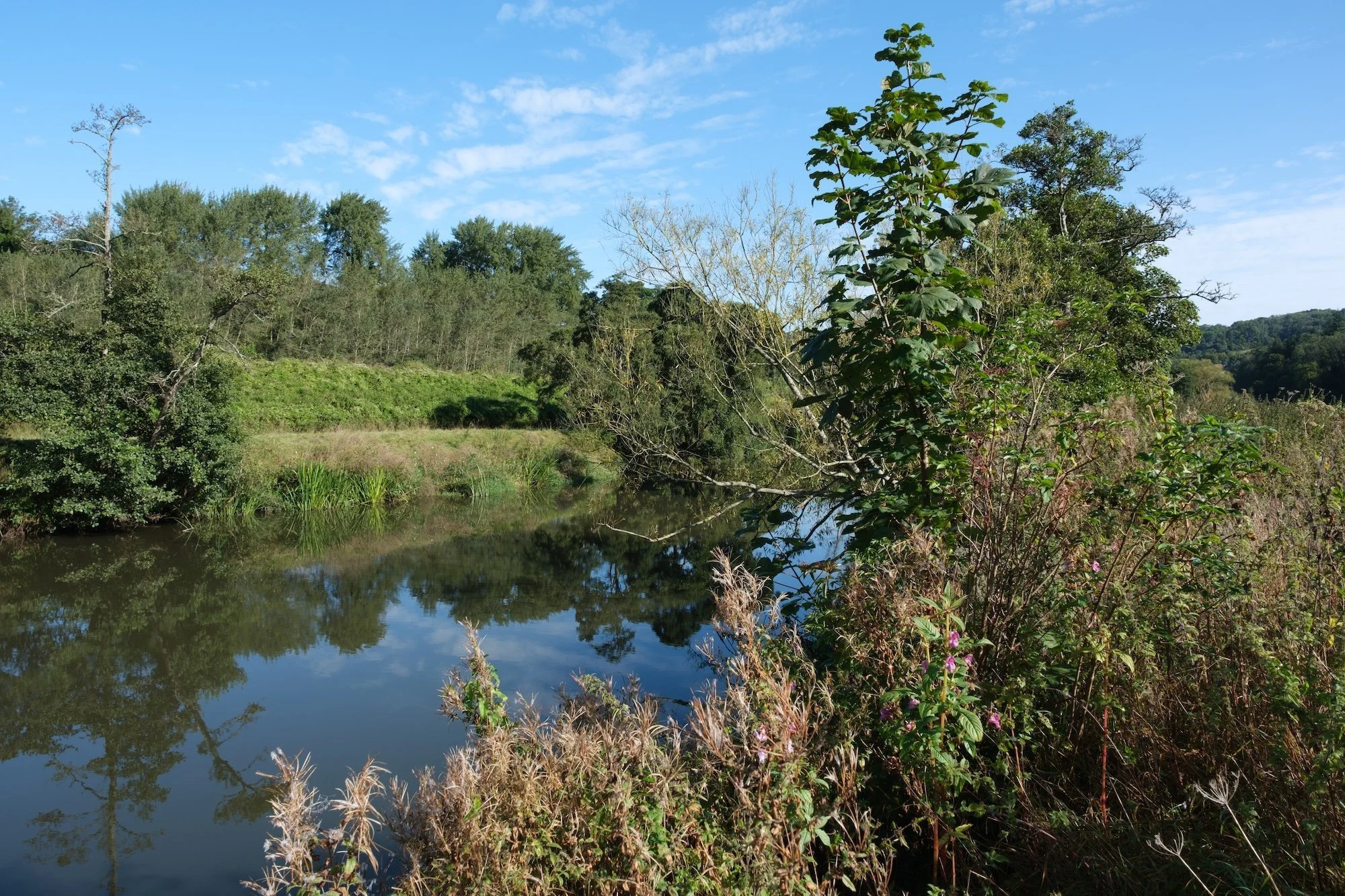
For Protect Earth, the budget’s shortfalls are already tangible. Plans to secure Warleigh Wood—a 70-acre site along the River Avon—relied on anticipated grants. With reduced support, we’re now partnering with other charities and ramping up fundraising to bridge the gap.
This underscores a broader truth: community action, advocacy, and private contributions remain crucial. Government alone won’t solve the crisis.
Advancing a Greener Future
Protect Earth will continue planting trees, restoring habitats, and advocating for better funding and accountability. But this journey requires a shared commitment—from policymakers to local communities—to prioritise the environment in words and action.
Save Warleigh Woods – Your Support Matters
We are close to the amount needed to purchase Warleigh Woods - 70 acres of abandoned agricultural land and wetland. We need your help to raise the final £30,000. Please donate today.