
Expanding Ancient Woodlands: When Does New Become Ancient?

Ancient woodlands are the crowned jewels of the UK’s natural landscapes. Rich in biodiversity and steeped in centuries of history, these woodlands hold a special place in conservation efforts. At Protect Earth, our mission is to nurture the conditions that allow woodlands to thrive and, over time, mature gracefully into these ancient havens. But here’s the rub: if an ancient woodland is defined by its age, what happens when you extend its boundaries into new spaces? Can these newly planted areas truly count as part of the ancient woodland, or are they just fresh patches of green surrounded by history?
New Woodlands or Ancient?
Let’s be clear: if you take bare land and plant trees, you’ve got yourself a new woodland. That’s straightforward. But the story gets more interesting underground. Ancient woodlands aren’t just valuable for the life they host above ground — they are also treasure troves of life below the surface. Dormant seeds, some waiting patiently for decades or even centuries, lie buried in the soil, ready for the right moment to grow.
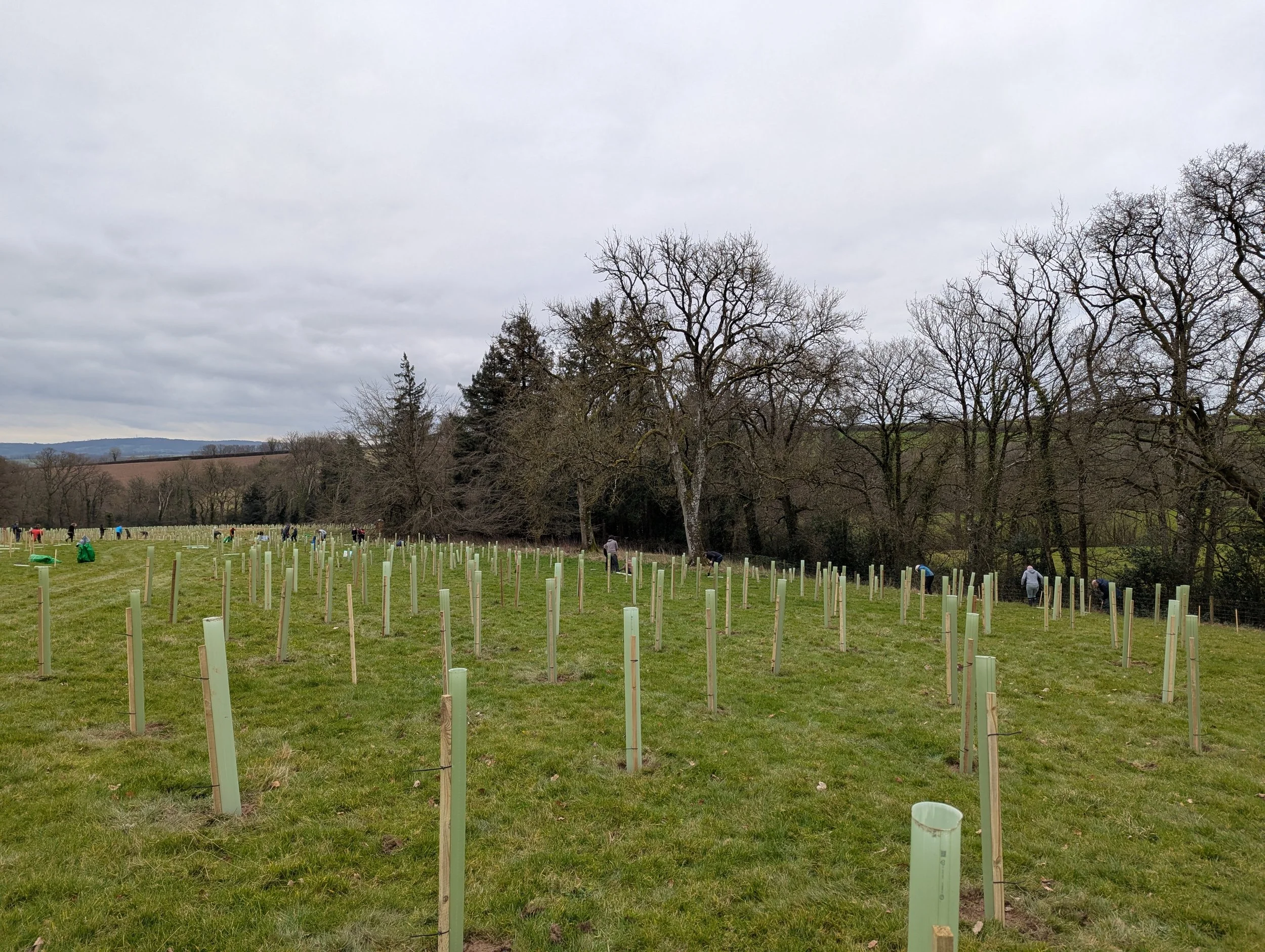
So, planting saplings around an ancient woodland isn’t just expansion; it’s giving those buried seeds a chance to awaken. This process effectively accelerates the woodland’s natural growth, bridging the gap between old and new. Take bluebells as an example — these quintessential ancient woodland flowers are notoriously slow movers, with seeds that don’t travel far by wind or animals. When you clear and prepare new ground near ancient woodland and see bluebells begin to flourish there, that’s a sign that the woodland’s ancient spirit is spreading.
Boundaries in Flux
Ancient woodlands earn their title by occupying the same spaces since at least the 1600s. But over the centuries, their boundaries have shifted, usually shrinking due to human activity and development. That doesn’t mean these precious ecosystems vanish entirely. Often, fragments remain hidden, lying dormant, waiting for a chance to reclaim space and contribute to new woodland growth. Expanding ancient woodlands isn’t just about planting new trees; it’s about nurturing the legacy beneath the soil, allowing these ecosystems to breathe, evolve, and continue supporting the biodiversity that makes them so extraordinary. So yes, when ancient woodlands spread into new ground, they bring a piece of their history along, transforming new spaces into the ancient woodlands of tomorrow.