How Small Changes in Your Garden and Community Can Enhance Biodiversity

There are many ways to support biodiversity in the UK - even making a few changes at home. Biodiversity is the range of plants, insects, and animals that are present. Planting a few more things and thinking a little more about what insects and animals you want to attract will increase biodiversity. Whether you have a garden or live in a flat with no outdoor space, some variation of all these ideas and steps can be done in your home to attract more wildlife to your surroundings.
By selecting the right plants, adjusting your gardening habits, and encouraging wildlife-friendly features, you can help enhance biodiversity and support the delicate balance of ecosystems right on your doorstep.
Choosing Plants to Enhance Biodiversity
If you’re looking to attract wildlife, the best place to start is with plants. Even small spaces, like a few pots on a balcony, can contribute to enhancing biodiversity. Native plants are vital to supporting UK insects, as these species have evolved alongside one another. Whether you opt for wildflowers or small trees, choosing the right mix can provide food and shelter for a range of creatures.
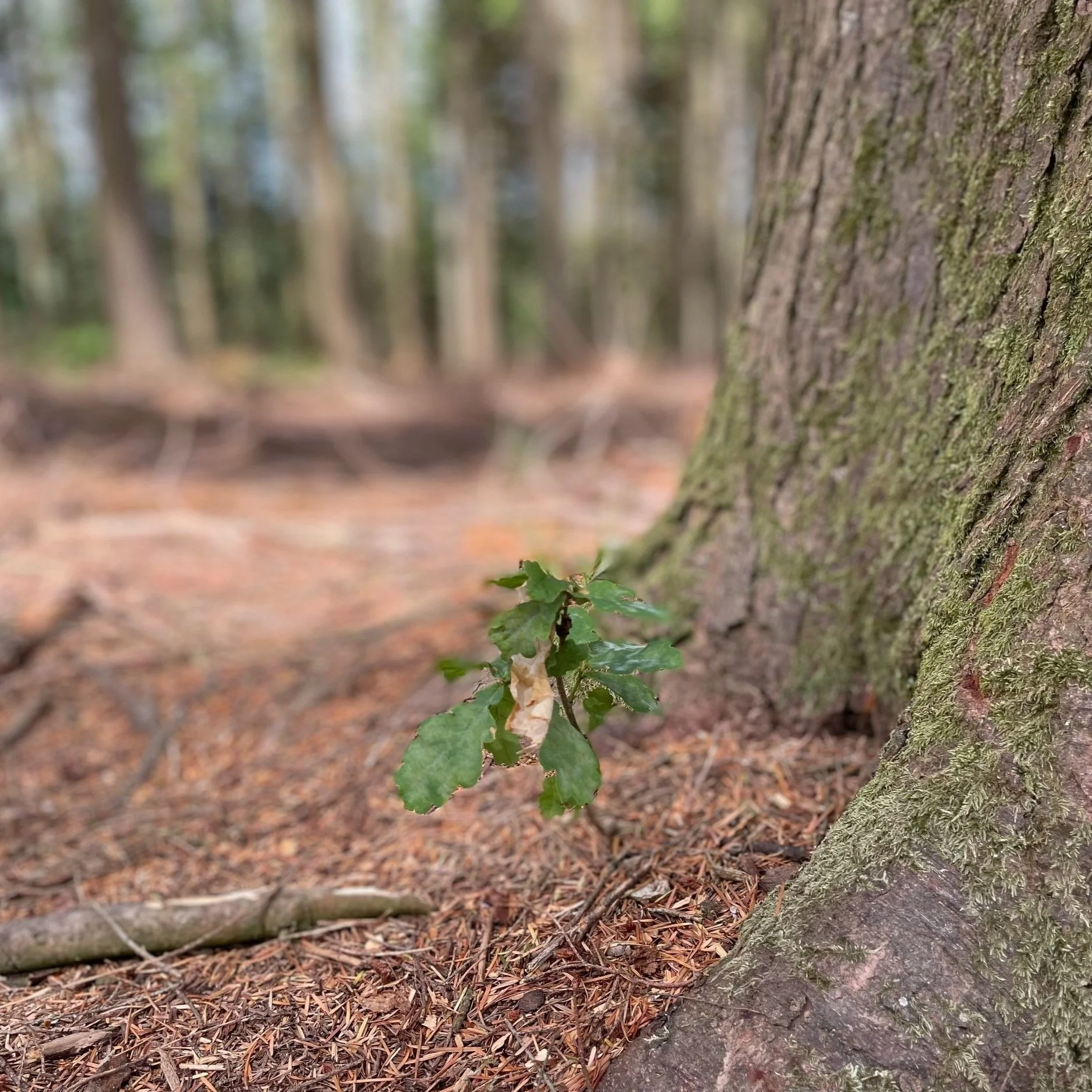
Trees play a crucial role. Not only do they offer year-round benefits, but they also create vital habitats for birds, mammals, and insects. Native trees like Rowan, which produce berries in the autumn, help sustain wildlife throughout the colder months. Crab apple trees provide food for blackbirds and voles. Shrubs such as ivy offer nectar for bees and shelter for birds.
Planting trees and shrubs suited to the local environment creates a welcoming space for wildlife, enhancing biodiversity.
Embracing Nettles and Wildflowers
Plants often dismissed as weeds, such as nettles and dandelions, are vital for certain insect species. Many of these species are at risk of extinction, making it more important than ever to embrace these ‘wildflowers.’ For example, dandelions provide nectar for hoverflies, while nettles are the sole food source for peacock butterfly caterpillars. The garden tiger moth - garden tiger moth caterpillars feast on dandelion leaves - is now protected in the UK under the Biodiversity Action Plan (BAP). Its numbers in the UK have declined by 89% over the past 30 years. By allowing these plants to grow, you can enhance biodiversity and give these insects and all other things dependent on them a better chance to survive and flourish.
Creating Homes for Wildlife
Another way to enhance biodiversity is by providing homes for animals and insects. Gardens, even small ones, can support a range of species if you provide the right habitats.
Bug hotels or bee bricks can be integrated into walls, giving insects a safe place to live.
A small house in a sheltered spot can make all the difference for larger creatures like hedgehogs.
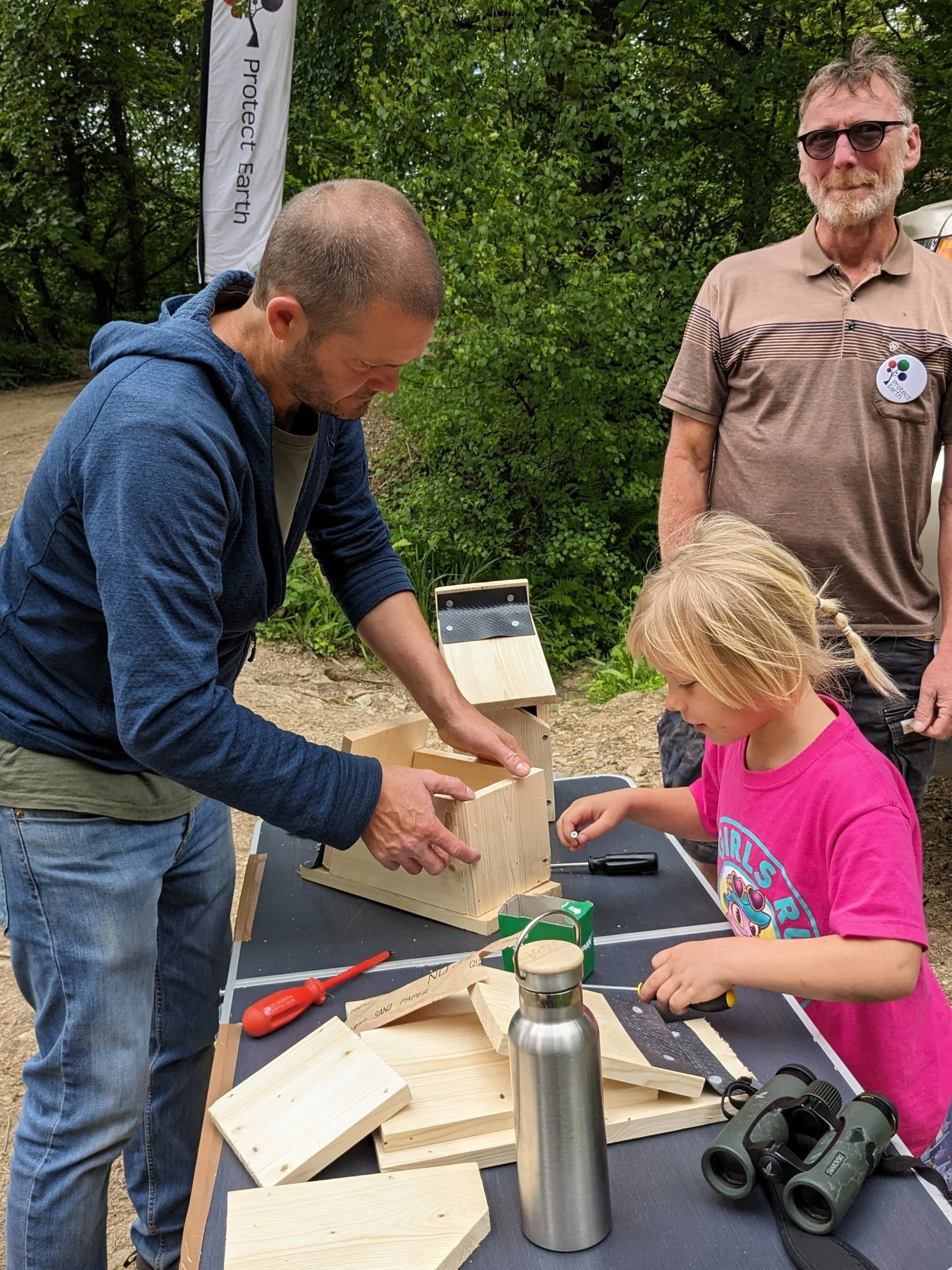
Birds also benefit from nest boxes that cater to their specific needs, such as open-fronted boxes for robins or eaves-mounted boxes for swifts.
Creating these homes doesn’t have to be expensive or complicated. Whether you purchase ready-made habitats or construct them yourself, providing wildlife spaces will significantly enhance biodiversity around your home.
Reimagining Garden Maintenance for Biodiversity
A common misconception is that a tidy garden is a healthy garden. In reality, a bit of mess can be wonderful for wildlife.
Long grass offers shelter to beetles and caterpillars, which become food for hedgehogs and birds. Piles of leaves and twigs attract small mammals and a variety of birds that forage for insects in the undergrowth. By letting parts of your garden grow wild (even a small section), you’re creating a haven for countless species and enhancing biodiversity in a simple, low-maintenance way.
Reducing Chemicals for a More Natural Balance
Chemicals, such as pesticides and herbicides, are particularly harmful to biodiversity. They affect the targeted pests and harm the wider food chain. For example, a hedgehog that eats a slug poisoned by pellets is at risk, like a bird that eats a caterpillar from a plant treated with chemicals.
Instead of using harmful substances, let nature take its course. Many insects, such as ladybirds and wasps, act as natural predators, keeping pest populations in check and contributing to your garden’s wider web of life.
Rather than resorting to chemicals, identify the problem in your garden and what natural solutions are available and appropriate for your space.
Encouraging Community Efforts to Enhance Biodiversity
Beyond your garden, there are ways to enhance biodiversity in your community. Encouraging local councils to integrate wildlife-friendly features into public spaces can have a profound effect.
This could include planting wildflower verges, incorporating native trees and shrubs, and designing drainage systems that support natural habitats. Communities can also work together to create green walls and roofs, which help reduce pollution and provide homes for insects and birds. Pressuring developers to consider biodiversity impacts in new housing estates can ensure that our built environments contribute to a healthier, more sustainable future for wildlife.
To sum up
By making thoughtful changes at home and encouraging wildlife-friendly spaces, we can all enhance biodiversity in our surroundings. From planting native species to reducing chemical use, each step helps protect vulnerable ecosystems. Supporting community efforts further strengthens this impact, creating more sustainable environments. Small actions in your garden or beyond contribute to a greener, more biodiverse UK.
If you want to see more biodiversity thrive in the UK, head to Protect Earth’s store and buy a hedge or tree. Each purchase helps plant in various projects across the UK, and you’ll receive a certificate detailing the species planted and its location. Your contribution will directly support the enhancement of biodiversity, creating habitats for wildlife and enriching our ecosystems.