
Observations in High Wood: Insights from an Ecologist

Over the past few years Steve, a keen birder, along with the help of other local naturalists, has been documenting the wildlife found at High Wood. His approach is unassuming yet deeply insightful.
Steve’s visits to High Wood are work-related, focusing on the habitat creation tasks that bring him to the woodlands. However, he always takes the time to observe his surroundings, noting the birds and butterflies he encounters. While there’s no formal monitoring programme at High Wood, Steve has been recording the species he sees during his visits, providing valuable information about the area’s wildlife.
Wildlife Observations
Since 2022, he has been informally tracking bird and butterfly species in High Wood. His records show some interesting trends:
-
In 2022, he recorded 46 bird species in High Wood. This number increased to 53 in 2023 but dropped slightly to 52 in 2024.
-
Steve recorded 13 species of butterflies in 2022, rising to 21 in both 2023 and 2024.
His observations are particularly significant because they include several bird species on the UK’s Red List for Birds. Among the species recorded are the Swift, Skylark, House Martin, Mistle Thrush, Fieldfare, Spotted Flycatcher, and Greenfinch. He has also observed several of these species breeding or holding territory in High Wood. For instance, in 2024 there were an impressive five pairs of Spotted Flycatchers, a species he’d not recorded here previously. Two Firecrests were also heard singing this spring, with a fledged juveniles also recorded later in the year. Other notable bird records include Hobby, Goshawk, and Redstart.
Regarding butterflies, Steve has observed Small Heath, a species considered vulnerable on the Red List of Butterflies in Great Britain. Along with the impressive Silver-washed Fritillary and eye-catching Green Hairstreak.
Other interesting sightings involved Golden-ringed Dragonfly, Beautiful Demoiselle, as well as Grass Snake and Slow Worm.
The Importance of the Observations
It’s important to note that Steve’s records are informal. He is not conducting a comprehensive survey, so the data he collects does not fully represent the wildlife population in High Wood - there is more to be discovered. For example, we don’t have exact numbers of breeding pairs or a detailed understanding of population trends over time. However, the records are still valuable and will allow us to build up a picture of how Protect Earth’s work is positively affecting wildlife.
They remind us that High Wood is home to a diverse wildlife community, including several threatened species. Even though this information is incomplete, it highlights the importance of High Wood as an amazing place for wildlife.
Looking Forward: A Potential Citizen Science Project
Steve’s efforts could be the beginning of a broader initiative. He has set the stage for a potential citizen science project by sharing his observations. Fellow birdwatchers and nature enthusiasts could contribute their observations, helping to create a more comprehensive understanding of High Wood’s birdlife and overall wildlife, which we would welcome.
Such a project could provide crucial data on how well High Wood serves as valuable habitat, contributing to the area’s biodiversity and helping us restore it to its natural state as a broadleaf woodland. Through collective efforts, we can better understand the health of High Wood’s ecosystem.
Join High Wood’s Monthly Work Parties
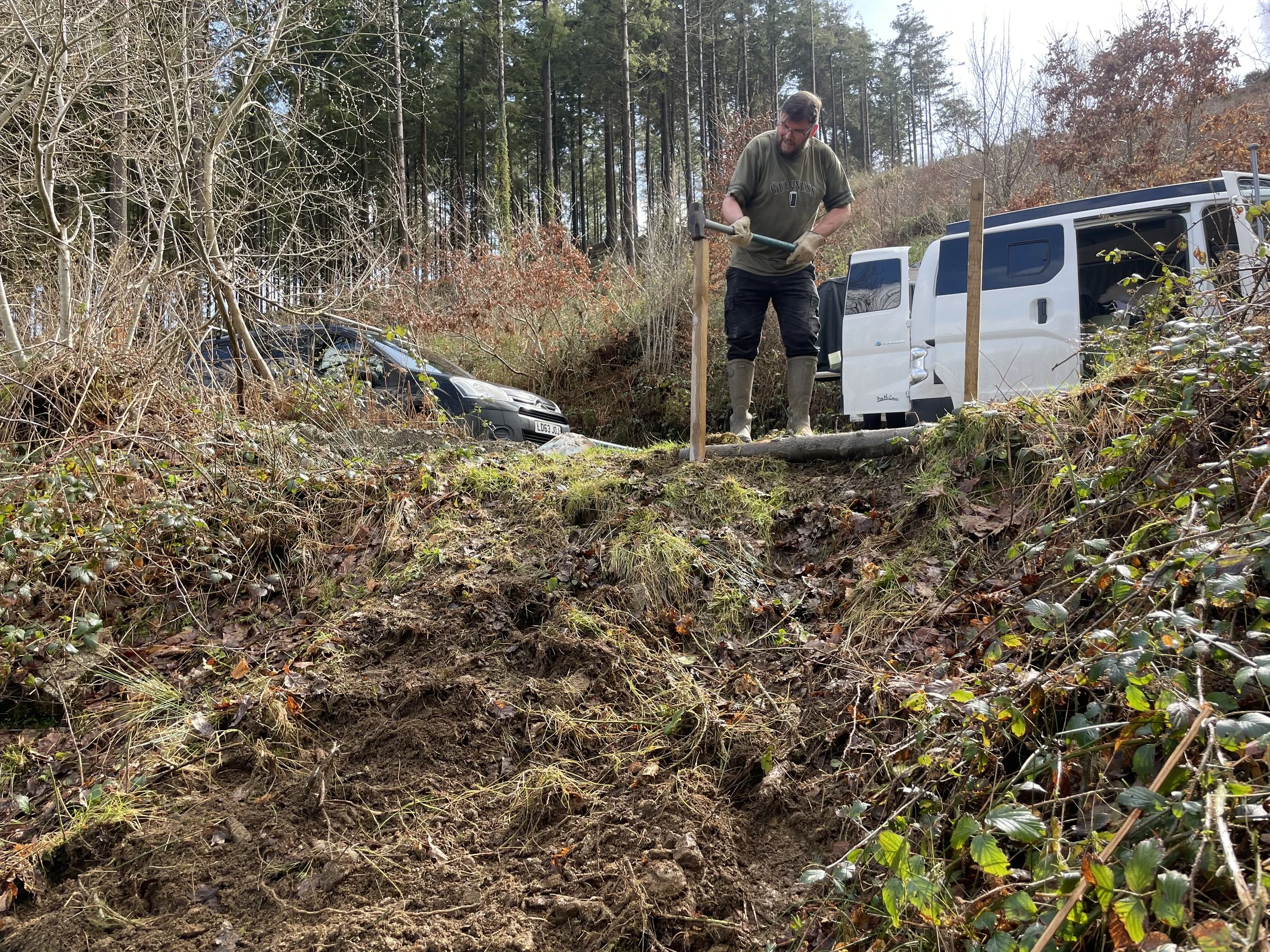
Joining High Wood’s monthly work parties can play a crucial role in preserving and enhancing this habitat. Whether you’re a seasoned birdwatcher, a butterfly enthusiast, or someone who simply loves nature, your involvement can make a difference. We have no bat or moth data, for example, so if that is your area of expertise, please share your sightings and records. By getting involved in the Work Parties, we can create a more comprehensive picture of High Wood’s biodiversity and work towards restoring it to its full glory as a thriving broadleaf woodland. Thanks to those who already volunteer at work parties or provide details of wildlife sightings.
Join us this month and every month – your woodland needs you!