
The Art of the Hedge: Reviving Traditional Hedge Management with Hands-On Hedge Laying Training Courses

Take a moment to picture the countryside. Odds are, there’s a hedge in that scene – maybe not the show’s star, but present, marking the roadside or being that thing giving a dappled view into fields beyond with their wonders. Hedgerows are ingrained into our countryside portraits and yet, they’re disappearing.
These living fences do more than politely separate sheep from spuds. They’re bustling motorways for wildlife, hotel corridors for nesting birds, larders for pollinators and foragers, and windbreaks for topsoil on the move. Hedgerows are multi-functional, quietly dependable, and criminally underappreciated.
But here’s the rub: hedgerows don’t manage themselves. What looks like wild charm is actually the result of deliberate craft – a centuries-old set of techniques collectively known as traditional hedge management. Without care, hedgerows thin, gaps open, and their biodiversity benefits vanish faster than a pheasant in a hawthorn thicket.
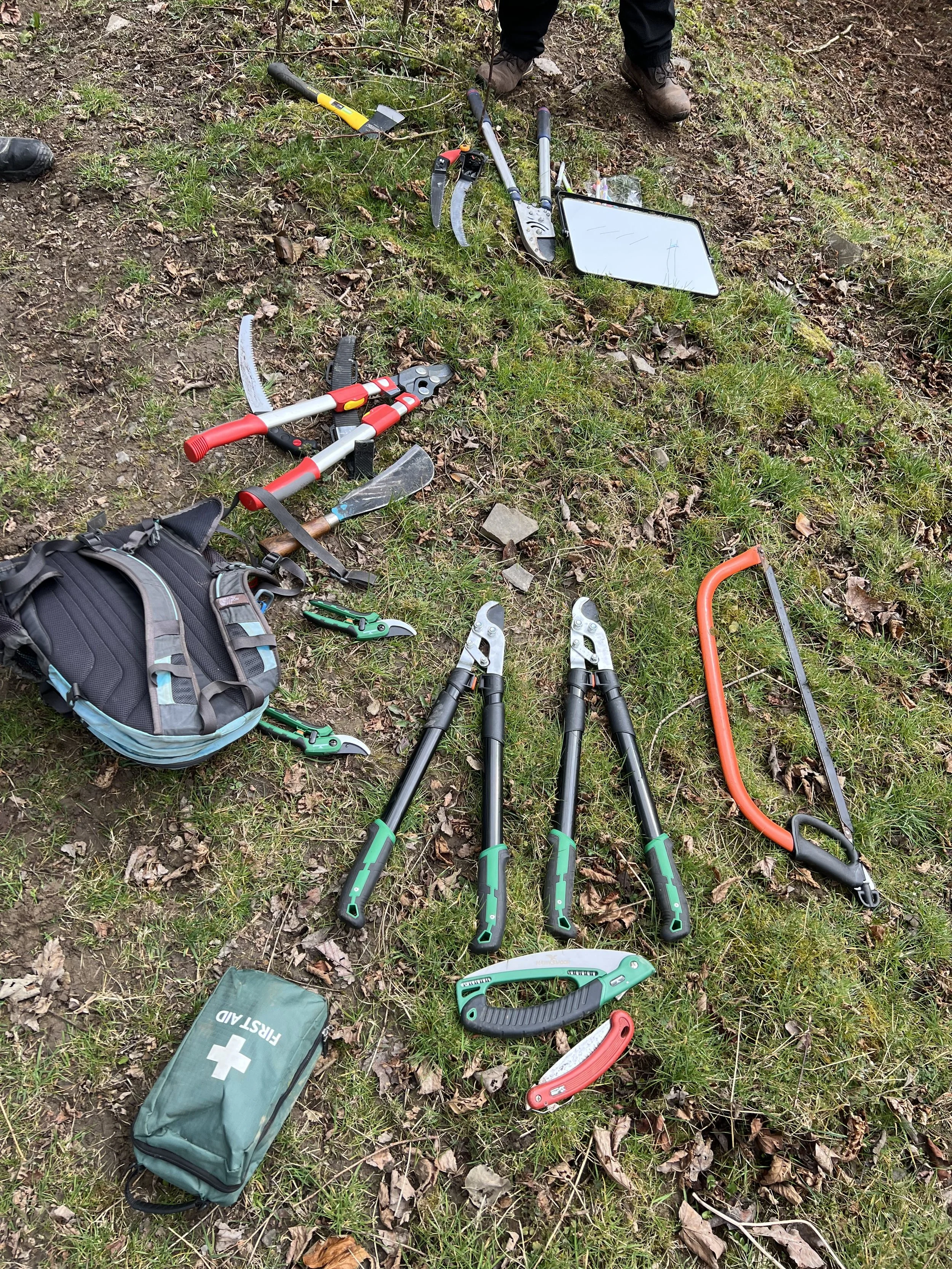
Back in 2007, a Countryside Survey found less than half of hedgerows in “good structural condition.” In some regions, that figure sank to a sorry 10%.
Join a Hedge Laying Training Course with Protect Earth
If you’ve ever marvelled at a hedge woven into a seamless, flowing barrier, you’re looking at the handiwork of someone skilled in traditional hedge laying. It’s not just hacking things down and hoping for the best. It’s careful, precise – almost meditative. The stem (or pleach, for those in the know) is cut just enough to be laid without severing its life. Lay too hard; it dies. Too soft, it springs back. If you’ve learnt to listen, the hedge tells you what it needs.
This is where Protect Earth’s hedge laying training courses come in.
We’re on a mission to revive sustainable countryside skills – not just because we’re sentimental about the good old days (though we are), but because hedges work. For biodiversity, soil health, farmers, and climate resilience – properly managed hedges pull their weight. And then some.
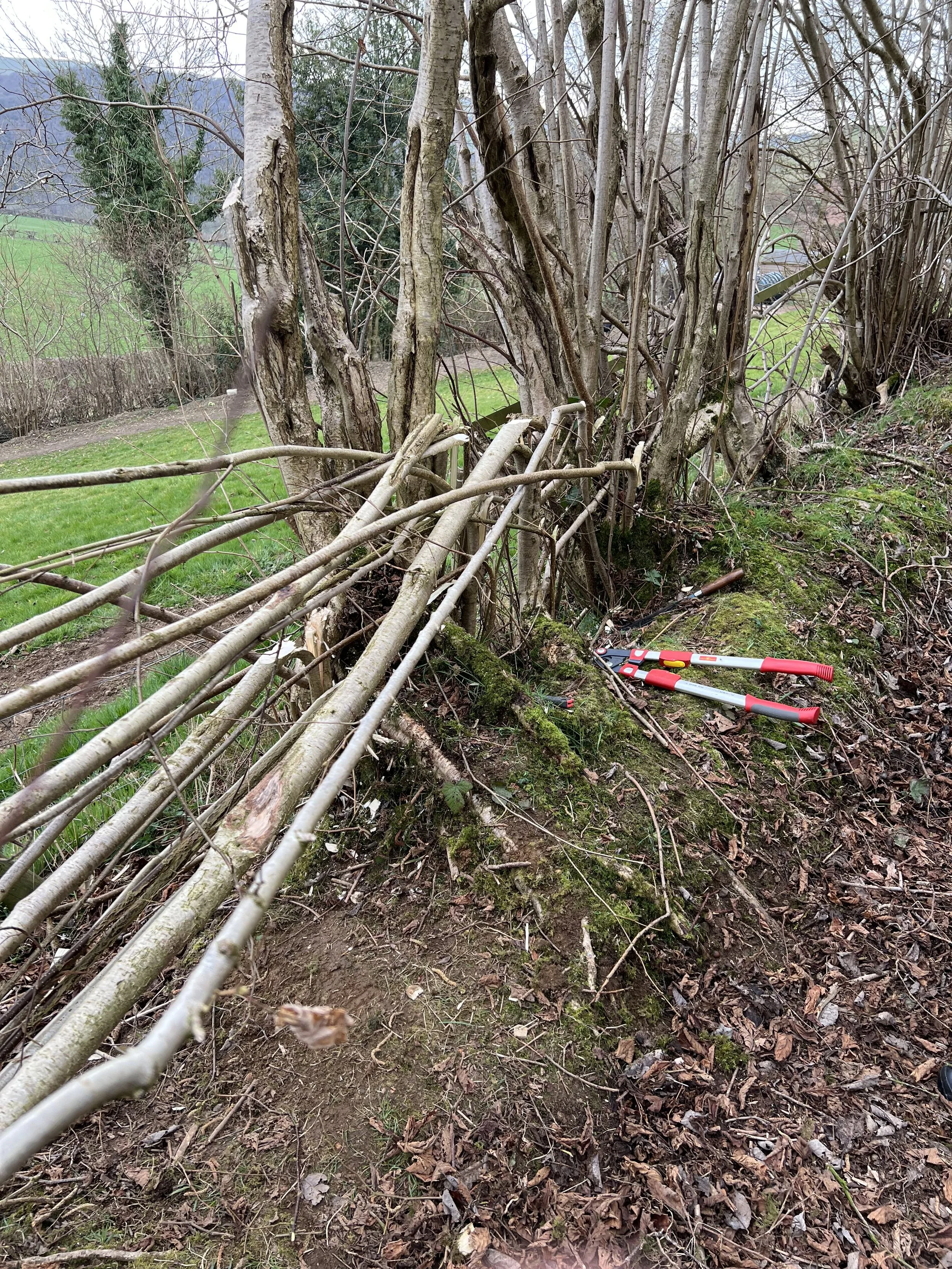
These courses aren’t just for old boys in flat caps (though they’re more than welcome). They’re for farmers keen to improve land value and wildlife appeal, community volunteers itching for hands-on conservation, or anyone who fancies swapping their keyboard for a billhook. You’ll learn the difference between coppicing and plashing, how to spot a good pleach, and when to weave or layer.
Even better? We want to work with more farmers. Hedgerows aren’t just quaint but cost-effective, carbon-grabbing, livestock-sheltering assets. Whether you’re looking to plant new living fences or revive tired lines through traditional hedge management, this is countryside stewardship at its finest. And it’s within reach.
To Sum Up
The more people who understand these techniques, the more we can restore – not just hedges, but connection. To land. To skills. To legacy.
So whether you’re looking to add biodiversity to your fields, beef up boundaries the traditional way, or just learn how to wrangle a hawthorn with style – Protect Earth can teach the art of the hedge.