Woodland Thinning In An Ancient Woodland... What?

Imagine yourself walking through a clearly mature woodland- smatterings of majestic, large, gnarled trees, branches, and trunks crashed over, decomposing back into the ground and moss everywhere. If you are in a woodland like this in the UK, you’re probably in an ancient woodland. And, you may be surprised to hear that despite the health, greenness, and health of woodlands like these, they still need management.
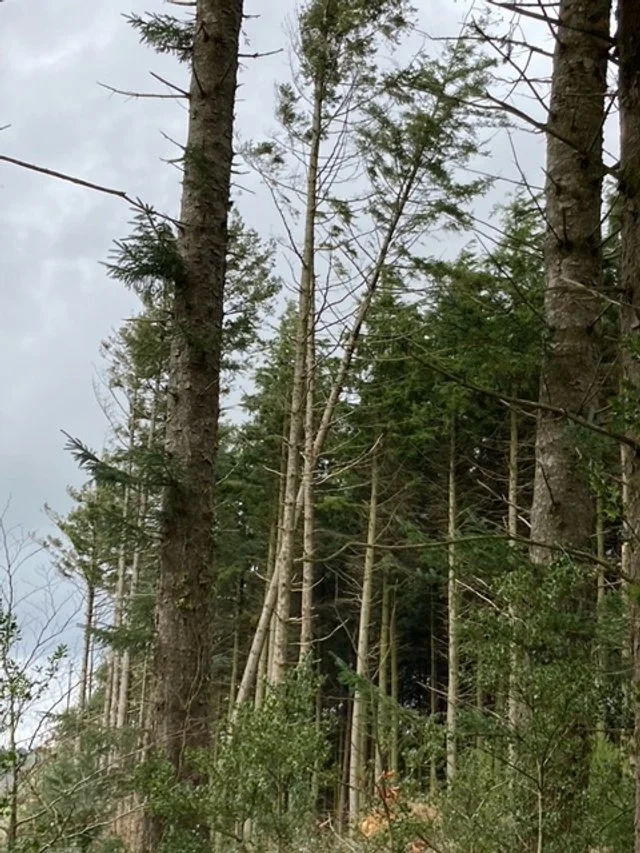
At a recent project in England’s South West, Phil busied himself by thinning an ancient woodland, which led some to ask what benefits could come and why.
The benefits of woodlands
Trees and plants generally make an impact on biodiversity at three levels:
-
Below the soil
-
At ground level
-
In the canopy.
Plants, specifically their roots, impact soil health by bringing nutrients along the roots’ length and anchoring soil in place.
Plants - including young trees and shrubs - contribute deliciously. Older trees and damaged branches also contribute to soil and ecosystem health as they decompose, providing food and homes.
Photosynthesis aside, the canopy provides homes and coverage for soil. Exposed soil can quickly dry out, drying up its usefulness. Reasonable canopy coverage protects soils and keeps the ground level cooler, ensuring soil doesn’t dry out.
Why would Protect Earth Thin A Woodland?
Why would Protect Earth thin a woodland? Woodlands are good. Protect Earth creates woodlands. Thinning growth and fauna sounds contradictory to helping biodiversity.
There are two main reasons to thin woodlands:
-
Ridding woodlands of non-native and, sometimes invasive, species
-
Creating a version of what’s called “continuous cover forestry.”
Even in protected woodlands or ancient woodlands, non-native plants tread uninvited. And, like any manager worth their salt, we remind them of their unwantedness when we discover these interlopers.
Continuous cover forestry is a concept developed for managing commercial forests, which Protect Earth does not do. However, the idea can come into play in thinning woodlands. If an area is overly heavy with certain species, we may thin back those species, opening space for other species to flourish adding to diversity. We may open space for light to penetrate the canopy and allow ground-level growth. Or, a plant may be mortally damaged, and leaving it in place may cause damage to other trees surrounding it, so we’ll take down the dying tree.
What Does Protect Earth Do With Thinned Materials?
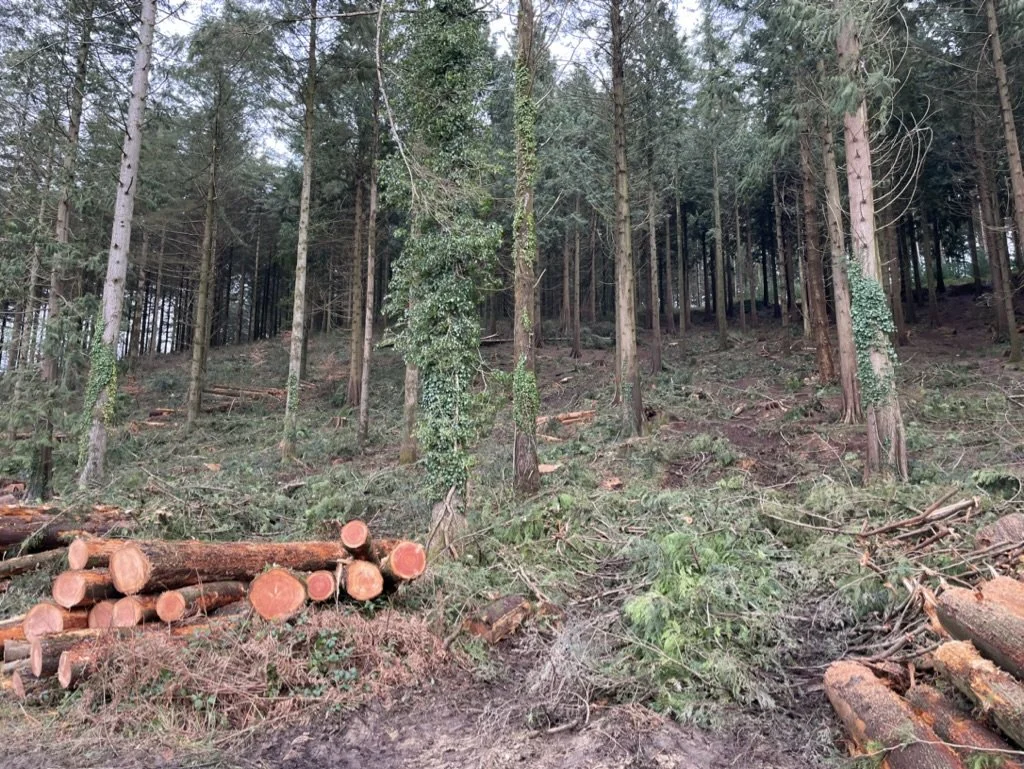
Returning to the reasons we thin woodlands - if materials are not supposed to be there, we take them out.
Several invasive species are just virulent and will gain a foothold in the most impossible, unbelievable conditions. Rhododendrons for instance. When it comes to invasive species removal, we entirely remove all traces and responsibly dispose of everything according to regulations.
When it comes to thinning woodland, in a way, it’s akin to stylising it or giving it a haircut; we’ll leave the off-cuttings in place to break down.
To sum up
Thinning woodlands may seem counterintuitive, but it plays a crucial role in maintaining biodiversity. By managing invasive species and improving natural habitat structure, we help ecosystems thrive.
Struggling with invasive species? Contact us—our certified team has the experience and expertise to manage them effectively, ensuring healthier ecosystems.