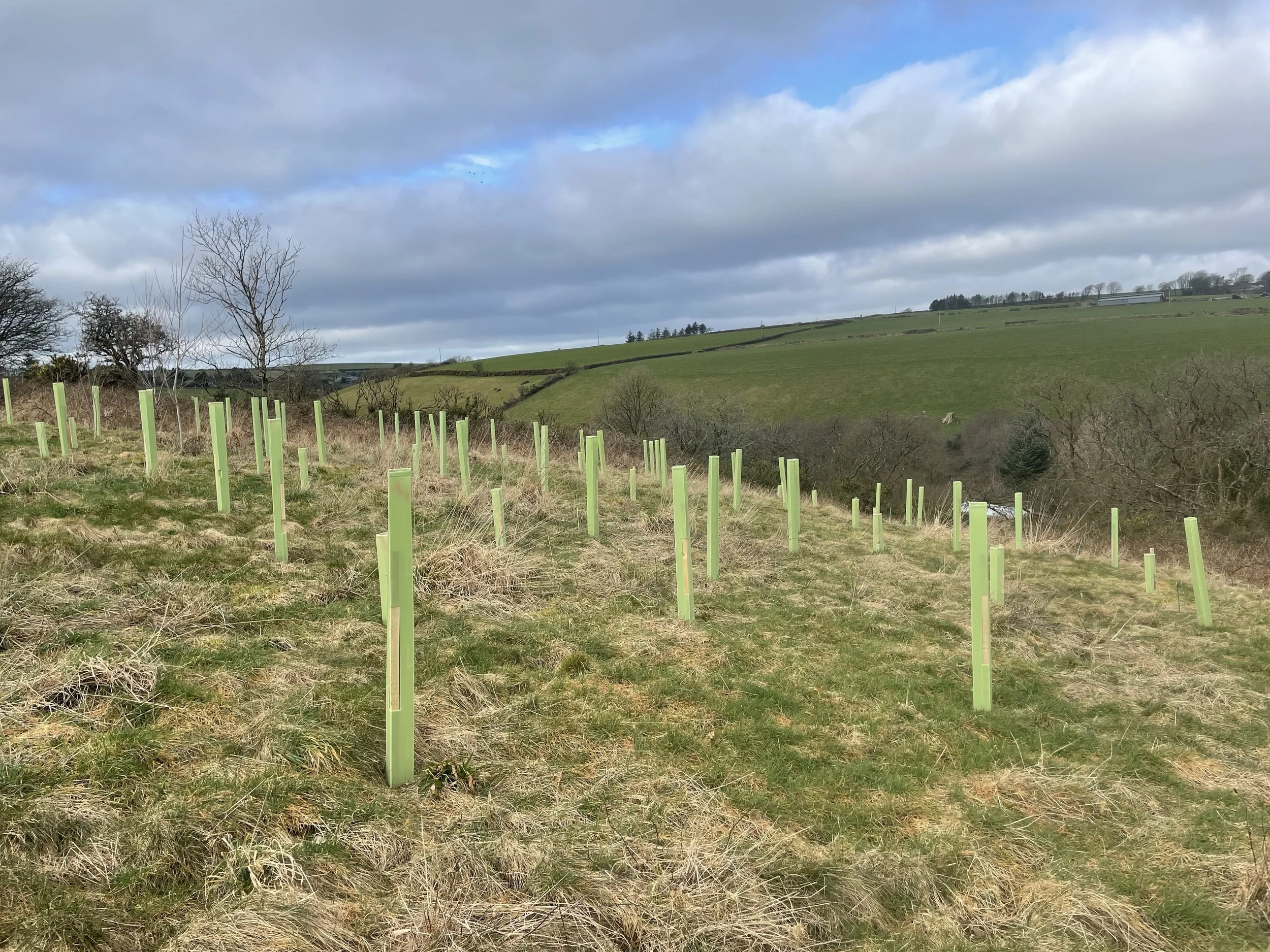
What is Woodland Management and Why It Matters

Woodlands are invaluable landscapes in the UK, nurturing plants, diverse wildlife, human communities, and the planet. Through woodland management, organisations like Protect Earth help sustain these natural spaces so they thrive, combatting the effects of climate change.
But what does “woodland management” actually involve? In essence, it’s the proactive care and cultivation of woodland areas, a practice essential for preserving the resilience of UK woodland habitats.
The vital role of healthy woodlands
Healthy woodlands contribute extensively to the ecosystem and to our lives. When woodlands are healthy, they serve as habitats for many plant and animal species, enhancing biodiversity and promoting environmental balance.
Woodlands also act as natural air filters, reducing pollution, absorbing carbon dioxide, and releasing oxygen. Additionally, woodland roots stabilise soil, helping to prevent erosion and mitigate flooding risks, while providing natural sound barriers and scenic spaces where people can unwind and reconnect with nature.
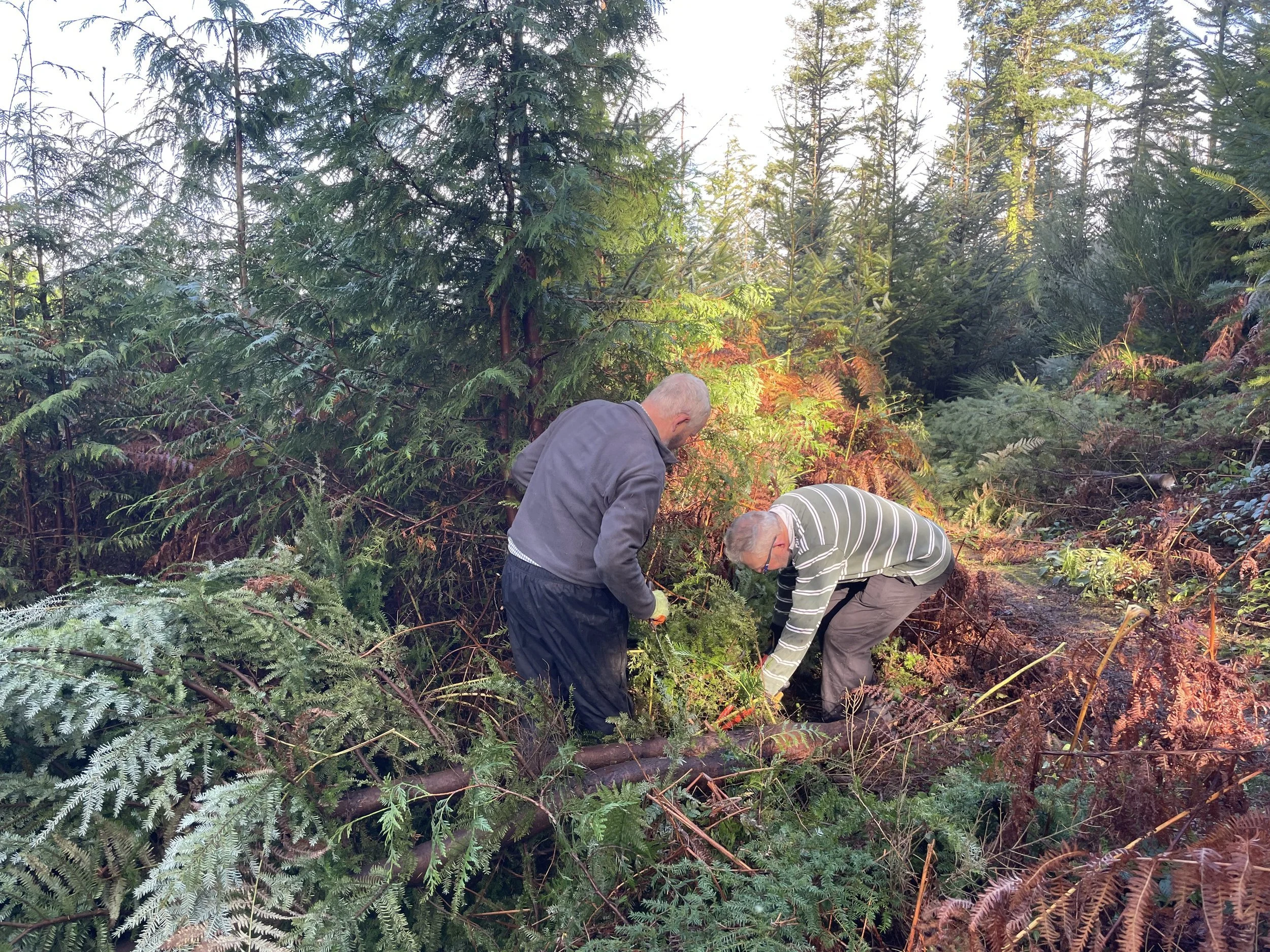
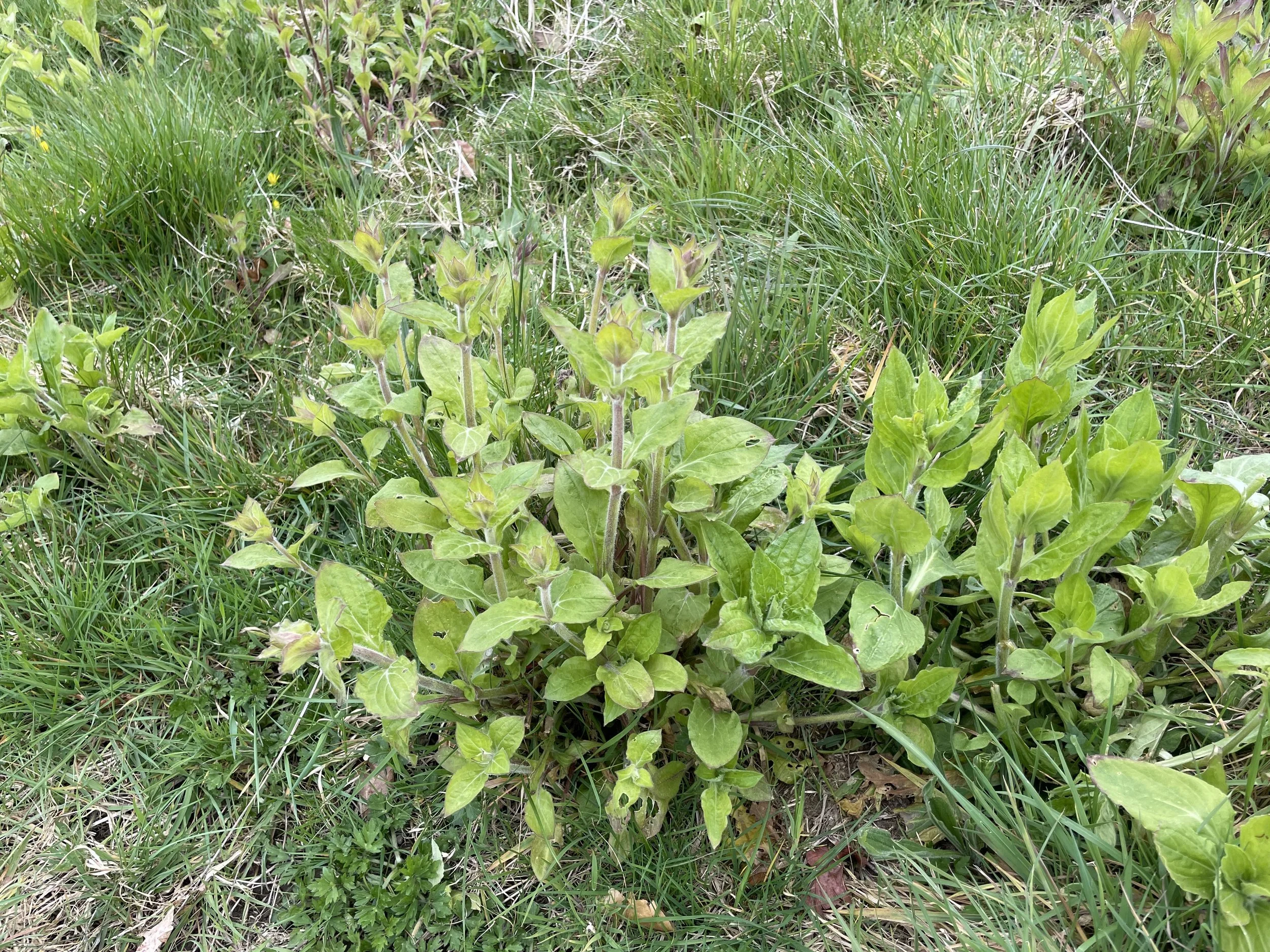
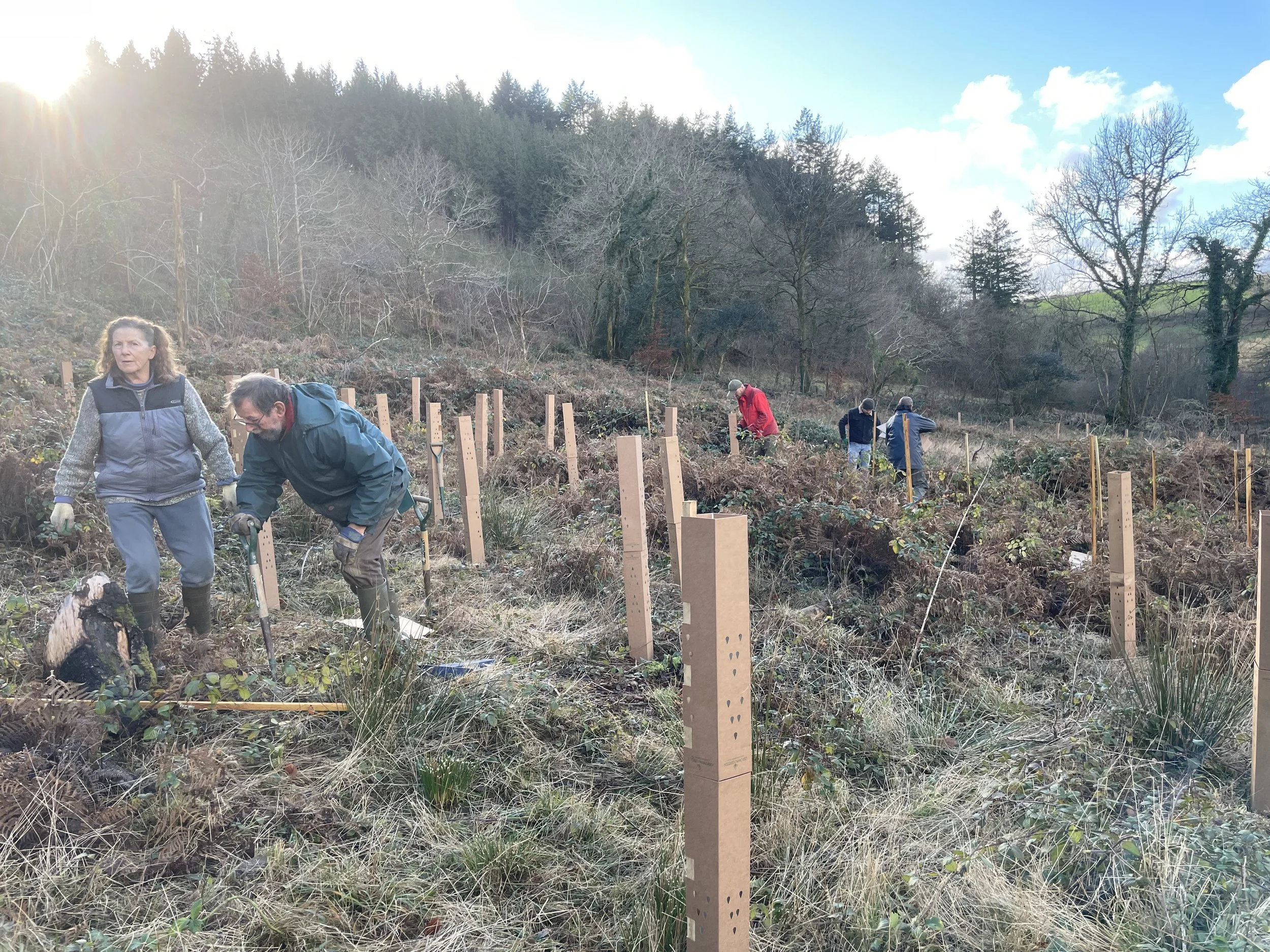
To sustain these benefits, effective woodland management is critical. Protect Earth’s approach to woodland management in the UK includes carefully removing invasive species that might overshadow young trees or native plants. We thin certain areas to encourage light penetration and improve biodiversity while creating open spaces for balanced ecosystems. Techniques like coppicing and selective felling enhance structural diversity while leaving deadwood enriches habitats for fungi and insects. In some cases, fencing helps control grazing and protects new growth, supporting woodland regeneration.
To sum up
Woodland management in the UK is about more than protecting trees; it’s about fostering entire ecosystems that bring beauty, biodiversity, and crucial ecological functions to our communities.
Join Protect Earth in our commitment to woodland management and green space protection.
Your donation will help us purchase low-quality, degraded land across the UK, transforming it into thriving habitats full of plants and biodiversity. Support our mission for a greener future—donate today!