
Where do our saplings come from?

We plant saplings because they’re small but mighty. They’ve gone through the tough process of germination, and unlike trees you’ll find at garden centres they’re not huge and expensive. If we had to buy them all for £50 each and use a digger to get them in then we wouldn’t get much done.
Thankfully sapling suppliers exist all over the country, known as tree nurseries. These nurseries are essentially Tree Farmers, growing trees from seedlings, or propagating from cuttings, in poly tunnels, barns, sheds, providing every native British species you can imagine.
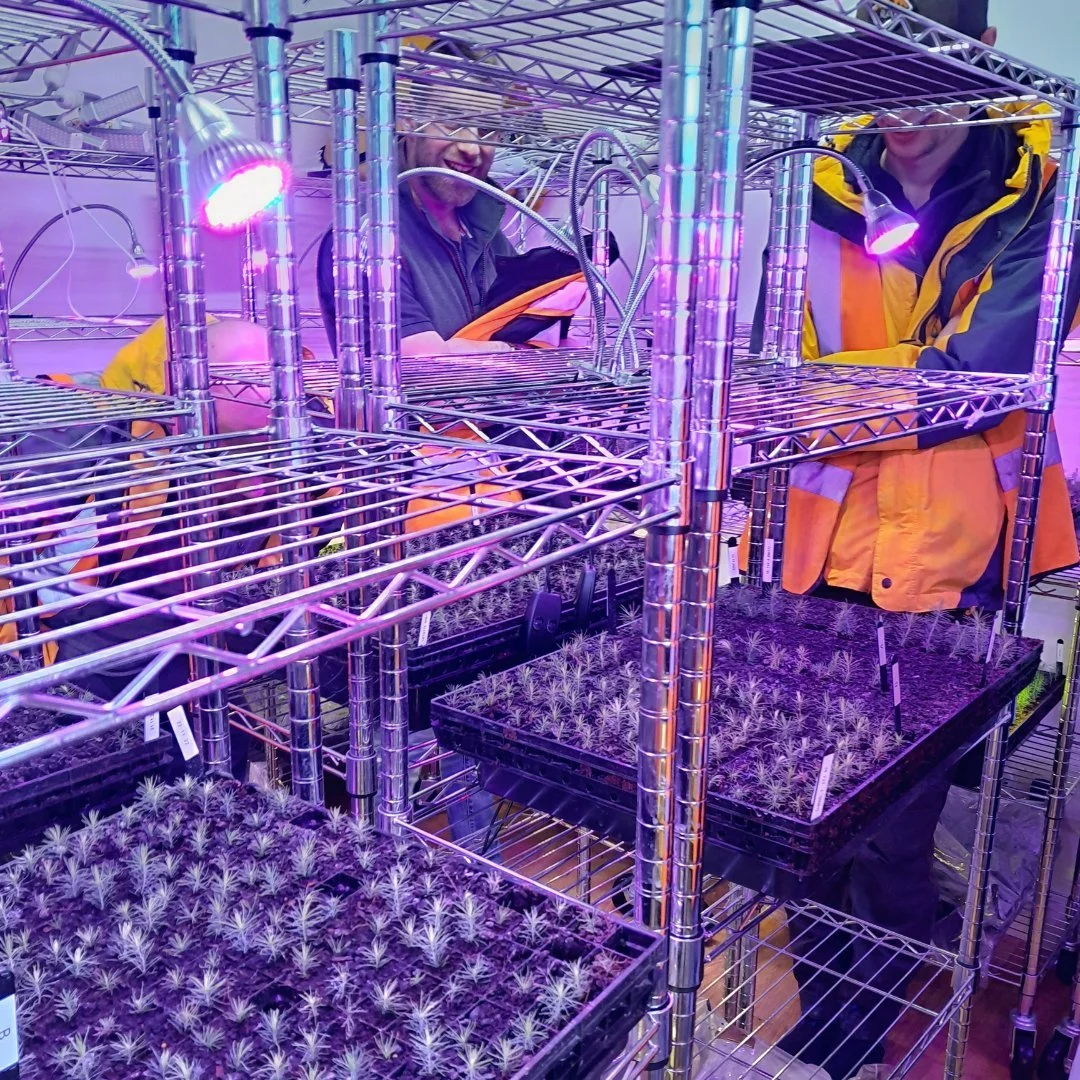
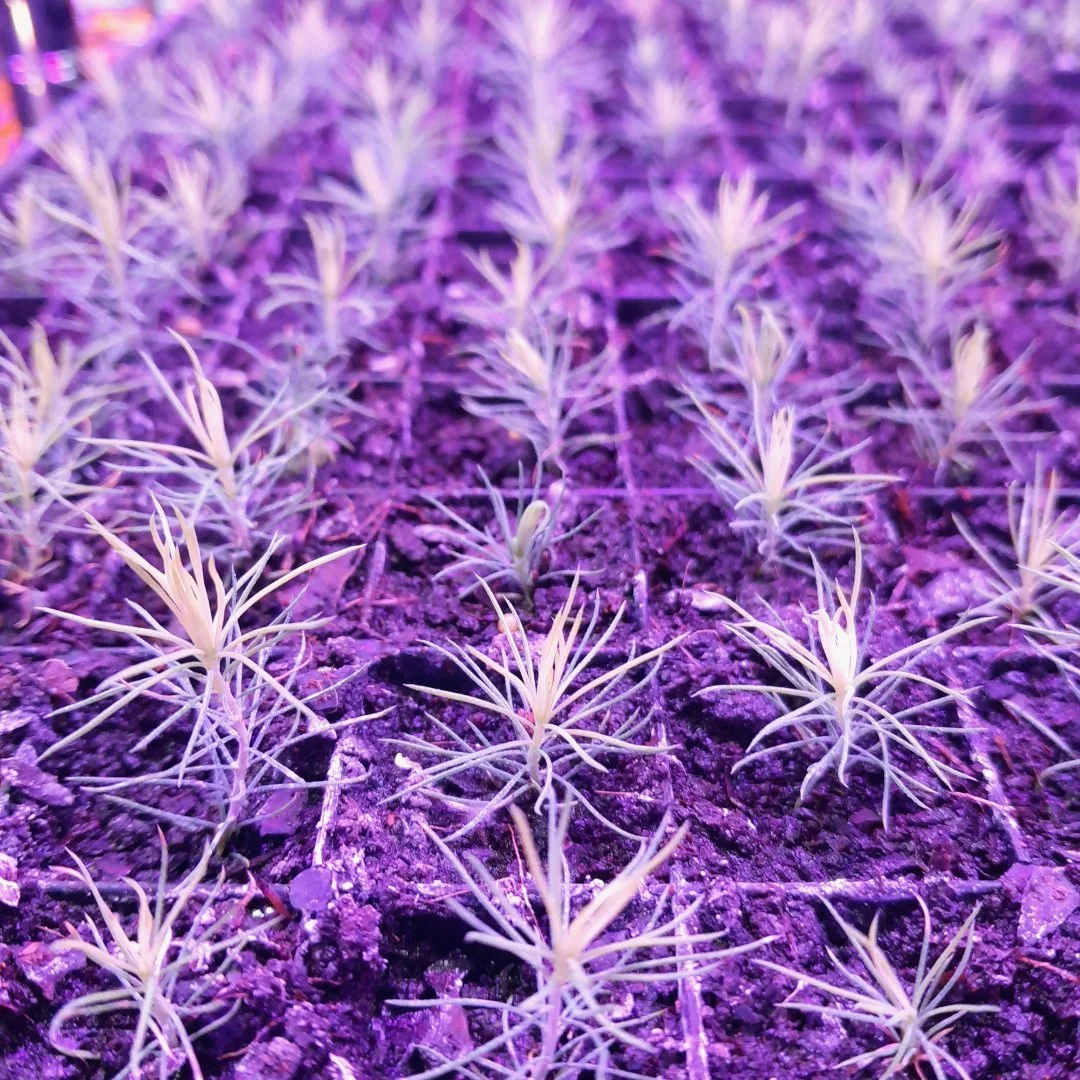
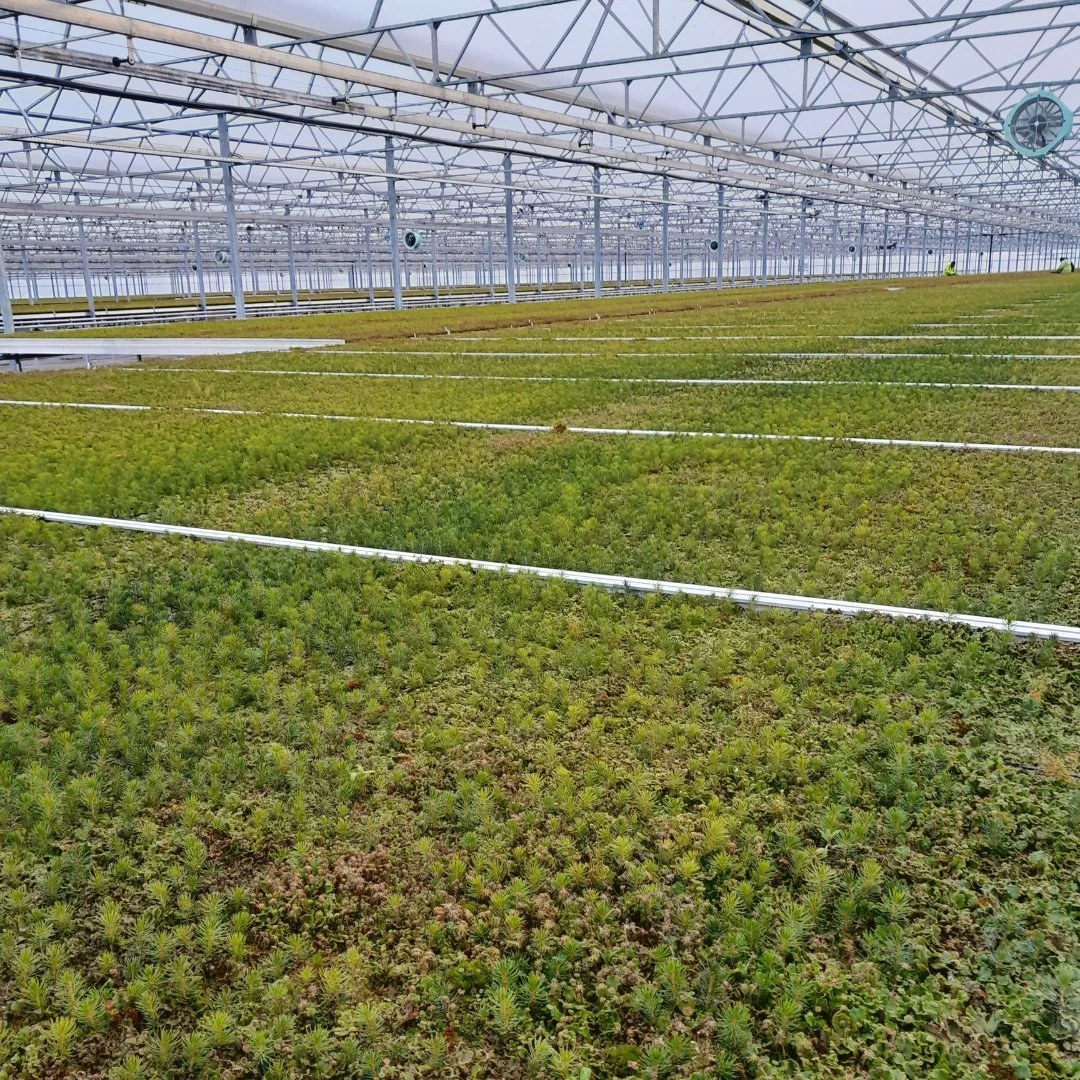
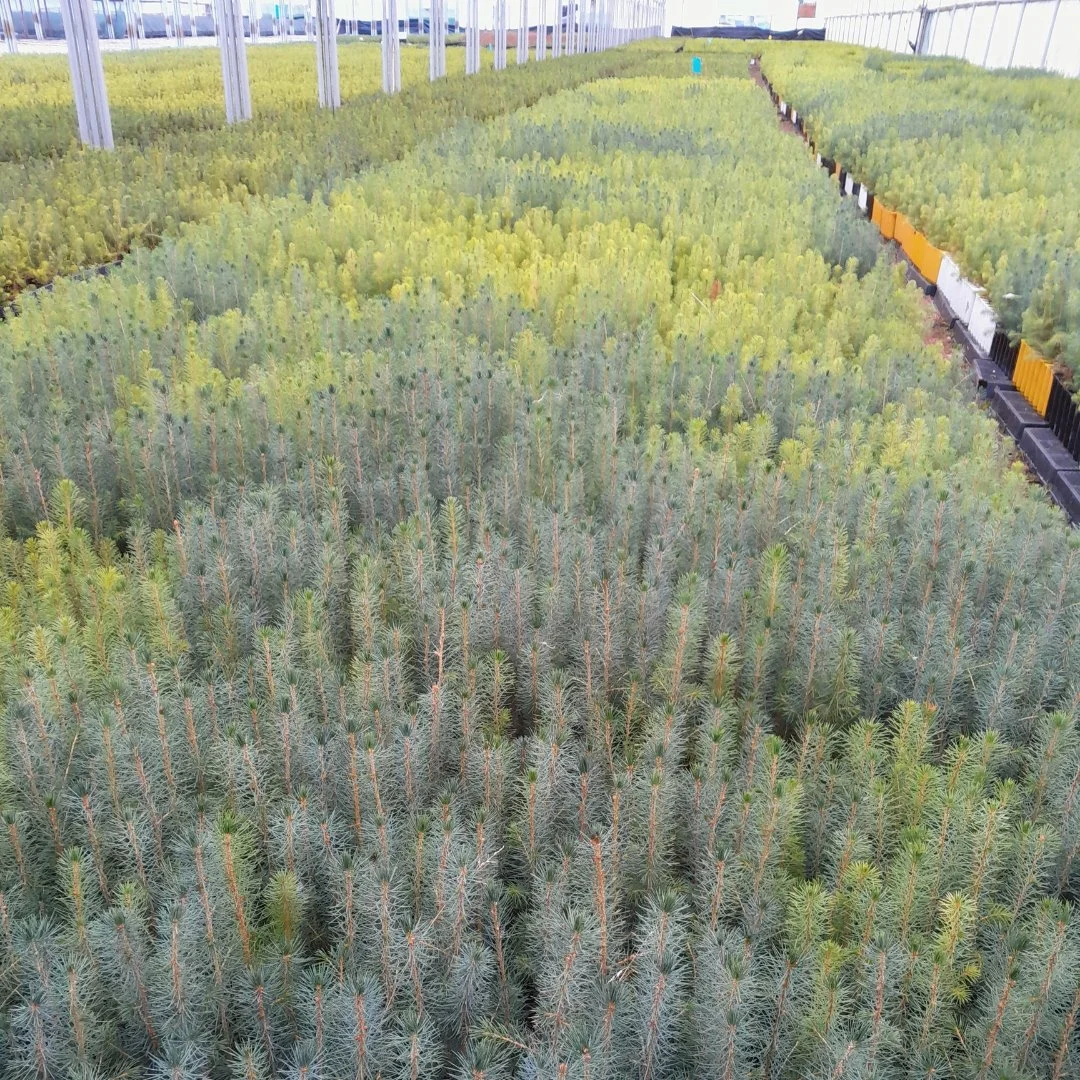
_Source: _https://twitter.com/maelorforest/status/1617499803205701632
At first we would just try to buy decent priced saplings from close to the place they are being planted, to avoid road miles and the emissions that come with it.
This year we have extended the requirements, to focus on getting the right “seed provenance”. It’s no longer good enough for us to get “native” saplings, they should be “local native”, meaning if we are planting in West Wales the saplings seedlings and genetics should be from West Wales.
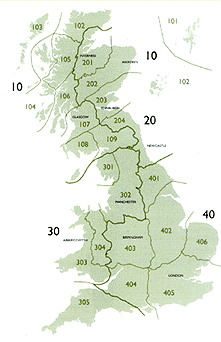
By making sure we’ve got the right saplings for the region we are increasing the odds for those saplings which may have evolved minor specialised advantages over time. An English Oak from Sussex and an English Oak from Powys might look pretty similar, but they are not identical, and getting it easy enough that making it a requirement isn’t hurting us.
More importantly, by planting a diverse range of genetics, there is a better chance of avoiding tree diseases wiping out the lot, as some may have better tolerances than others.
When it comes to priorities, this is how we think about it:
What is the closest project with the correct seed provenance that we can afford. If the only correct seed provenance is far away from the site (does happen) and we can afford it, then great. If there’s no correct seed provenance? Get the next provenance over, and we can pretend a bird dragged it over the line.
For cell grown saplings its much harder to get nurseries to admit to what cell provenance they are, but as we only use cell grown for much smaller October projects, early in the season before bare root whips are ready to be lifted. I would say that we got the right seed provenance on 90% of our saplings this year, and will strive for better next year.