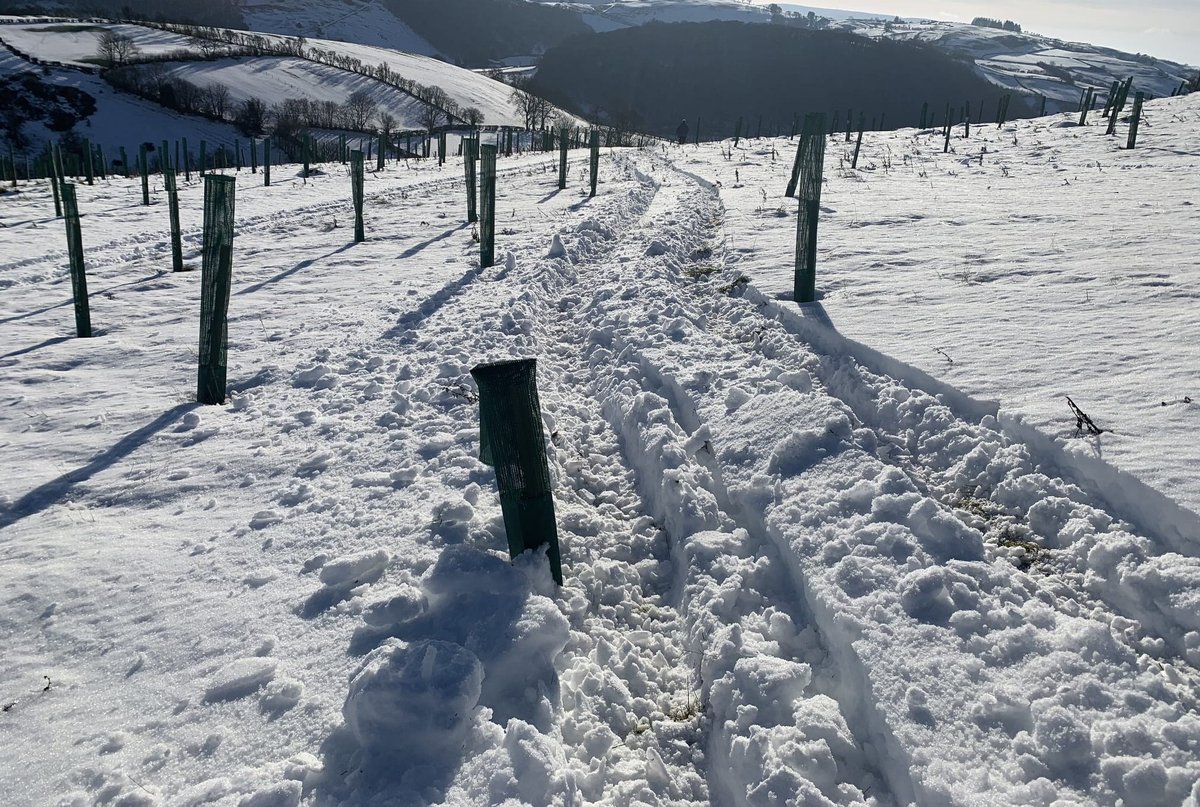
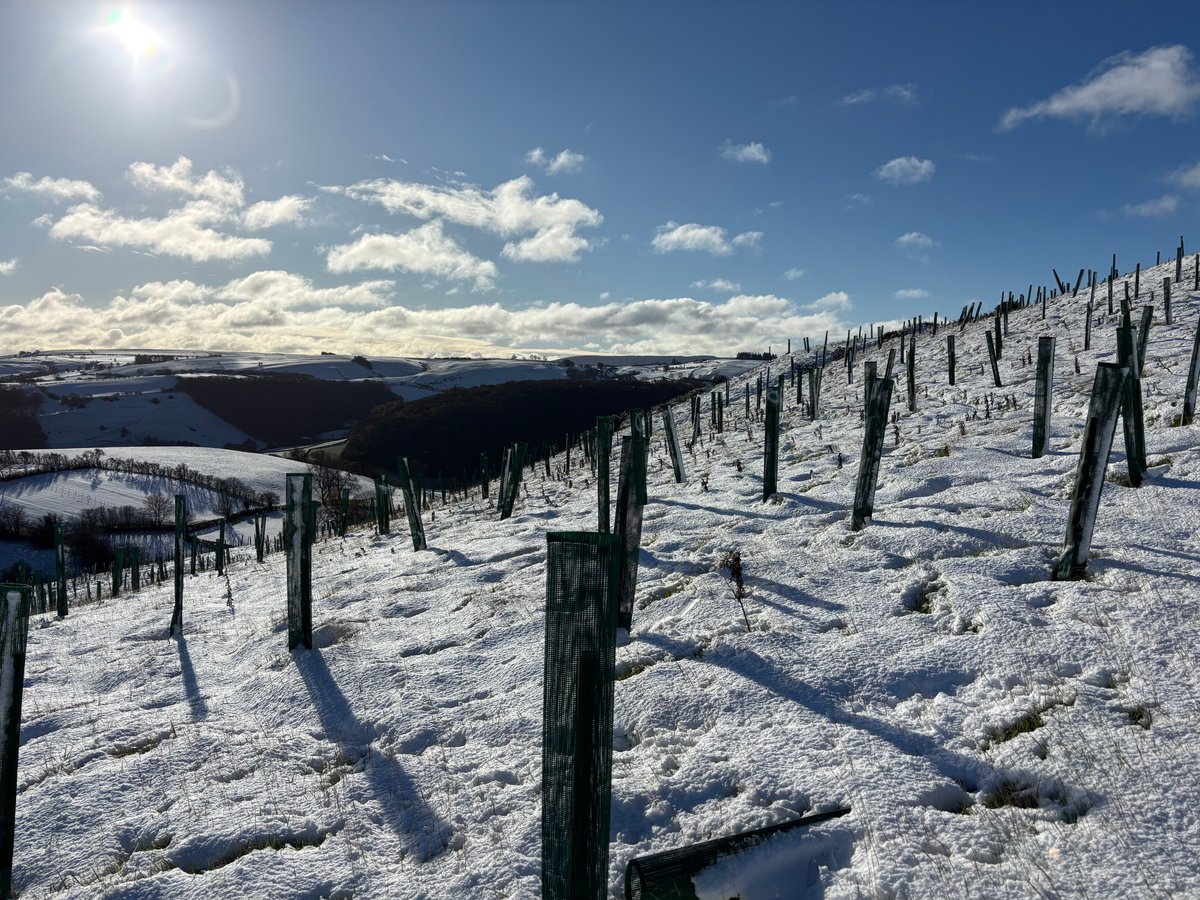
A snowy day on Goytre Hill.
 Protect Earth Skip to content
 Lloyney, Powys

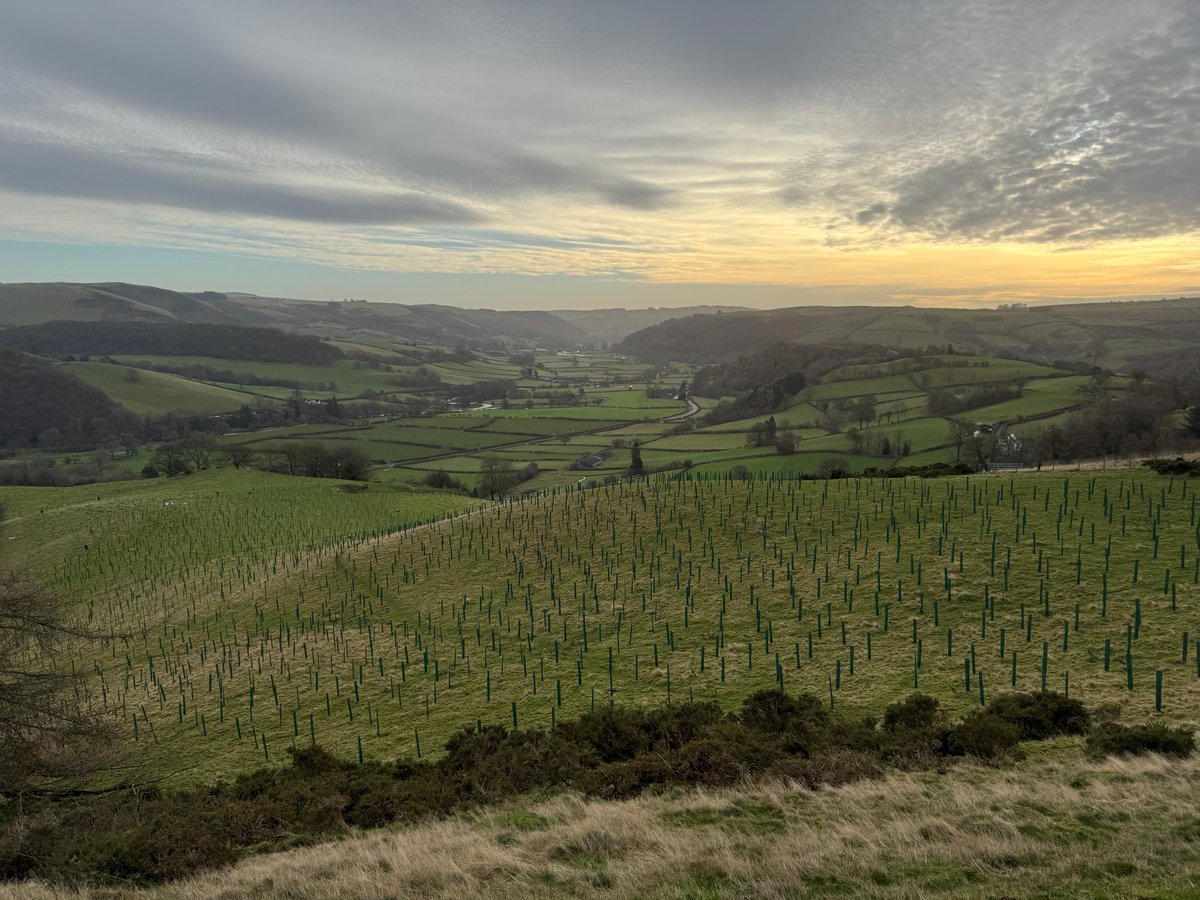
Protect Earth owns 28 hectares of land near Lloyney at Goytre Hill. We have begun the long task of creating 8 hectares of Goytre Hill with native broadleaf trees including Oak, Birch, Alder, Rowan, Wild Cherry, Hazel and Hawthorn.
In time this woodland creation project will benefit wildlife including declining bird species like Pied Flycatcher and Wood Warbler.
We will not plant trees on existing valuable habitats – habitats that already have species such as Skylark, Whinchat and Tree Pipit – instead this habitat will be maintained and improved. Our aim is to protect and enhance Goytre Hill’s biodiversity as well as sequester carbon. But also, as the site develops, to help provide a place of quiet enjoyment for local people.

A snowy day on Goytre Hill.
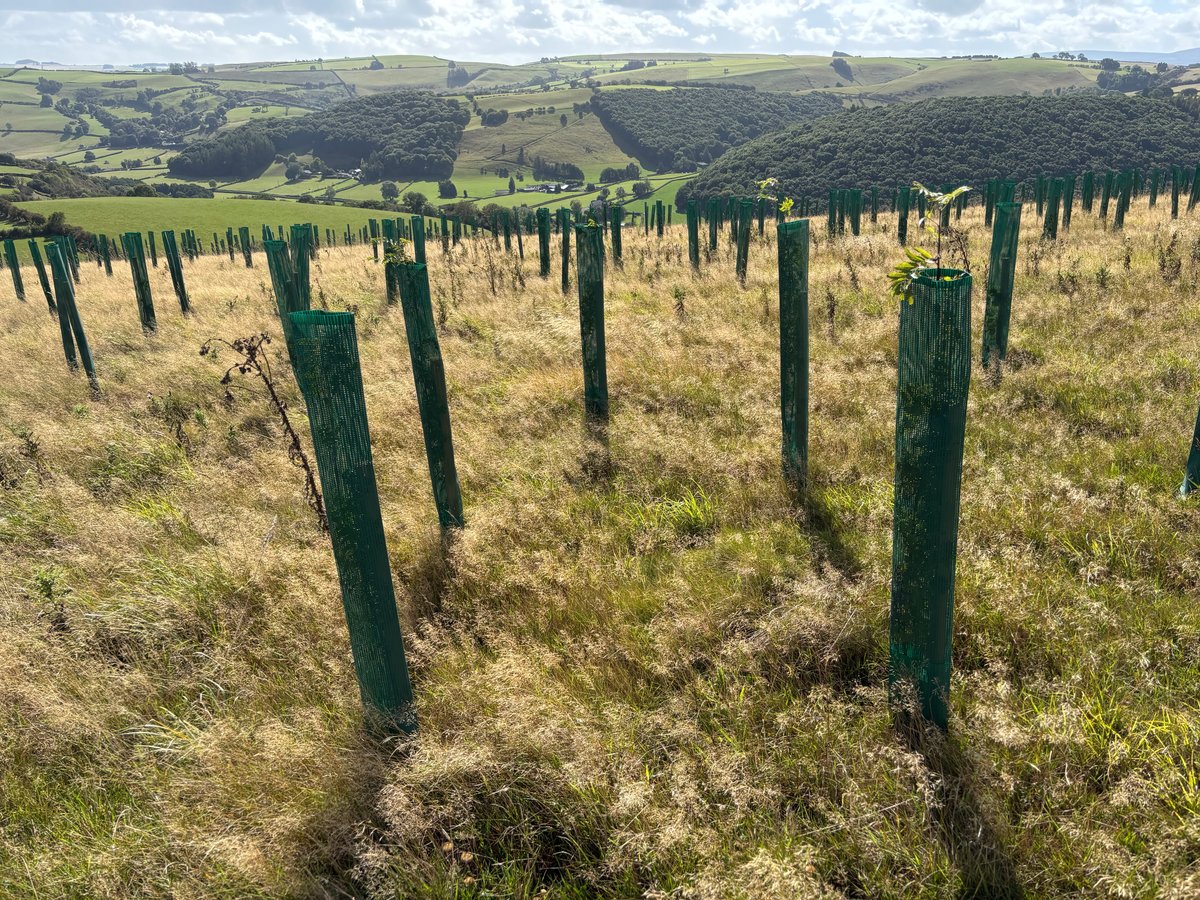
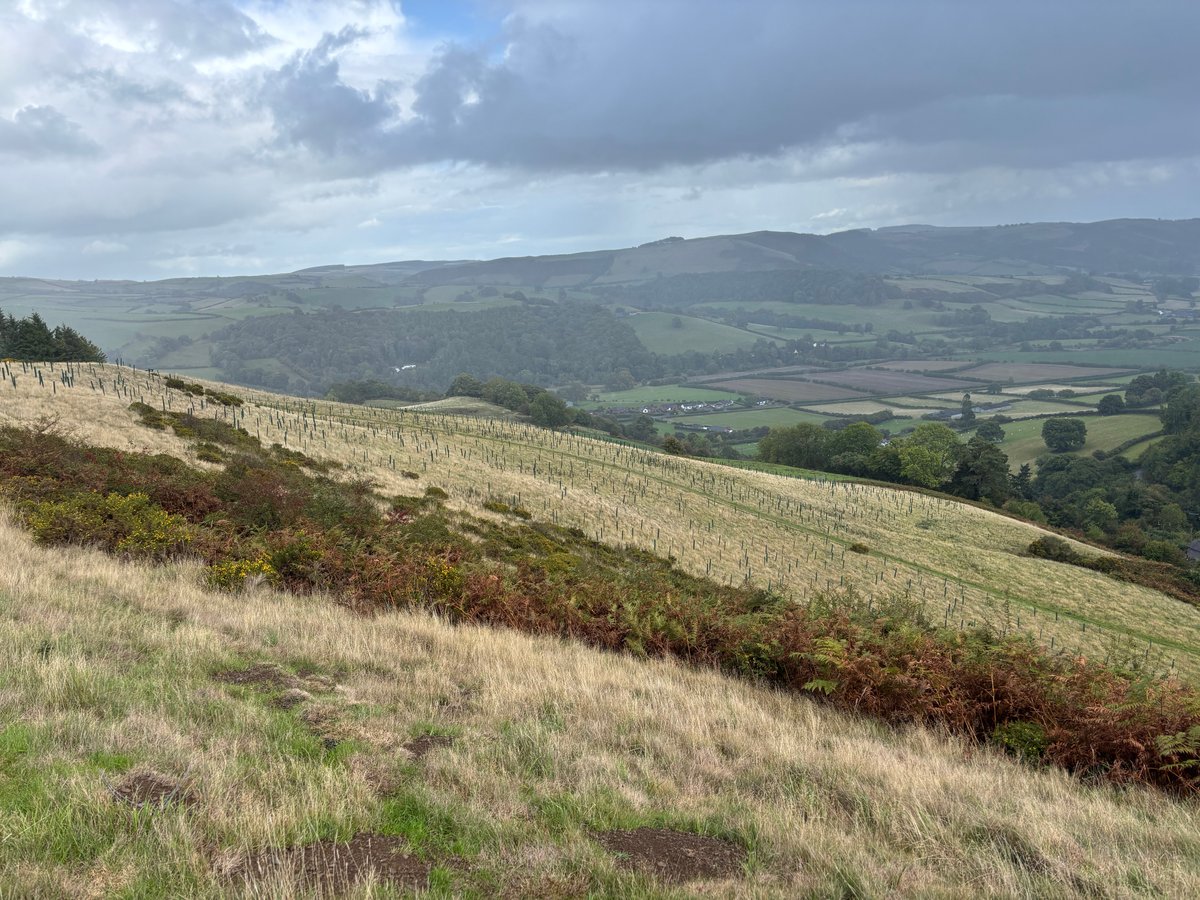
This was the largest site we’ve ever had to go and count, and after the weather scared off most of the volunteers, we were lucky to have a trusty team of deputies. Angus, Leenton and Katie joined Phil in scaling Goytre Hill to see how the ~12,000 trees were doing.
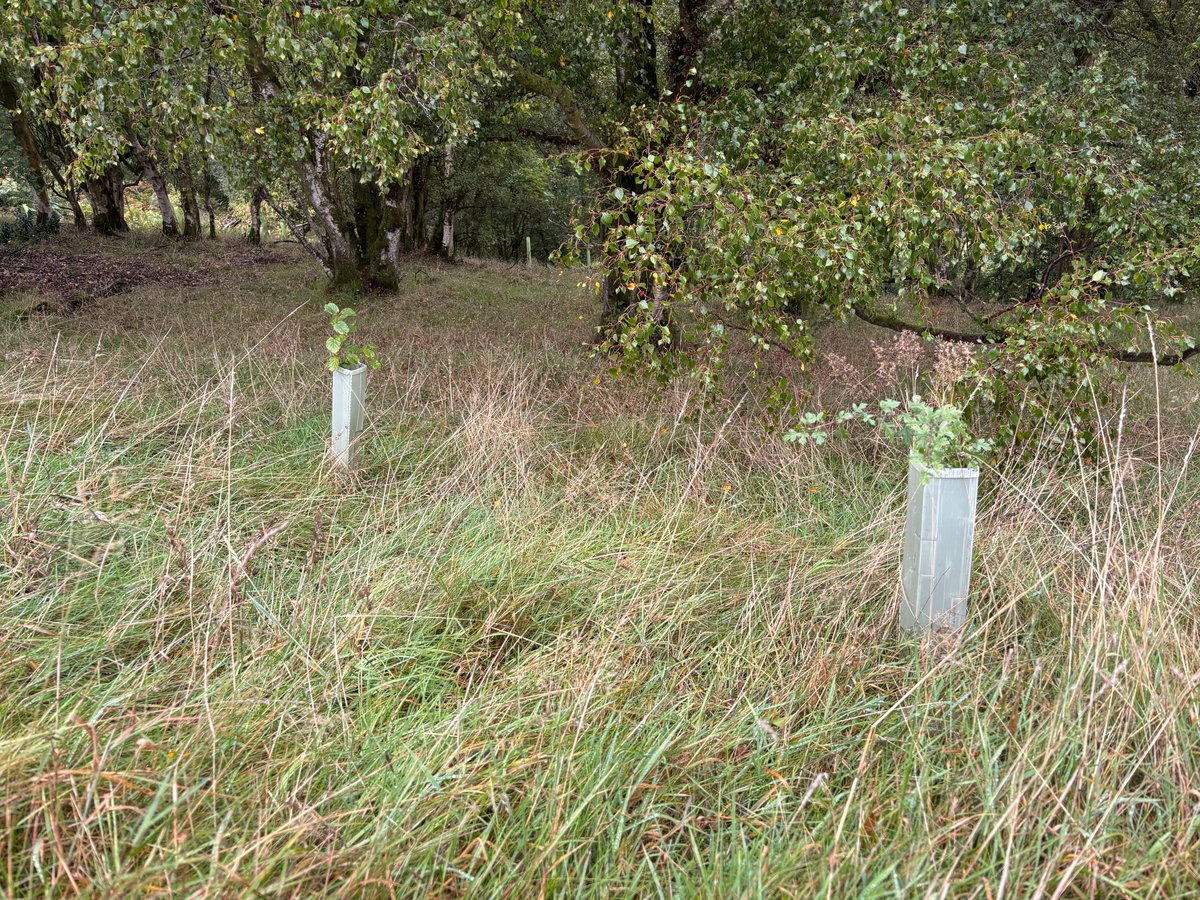
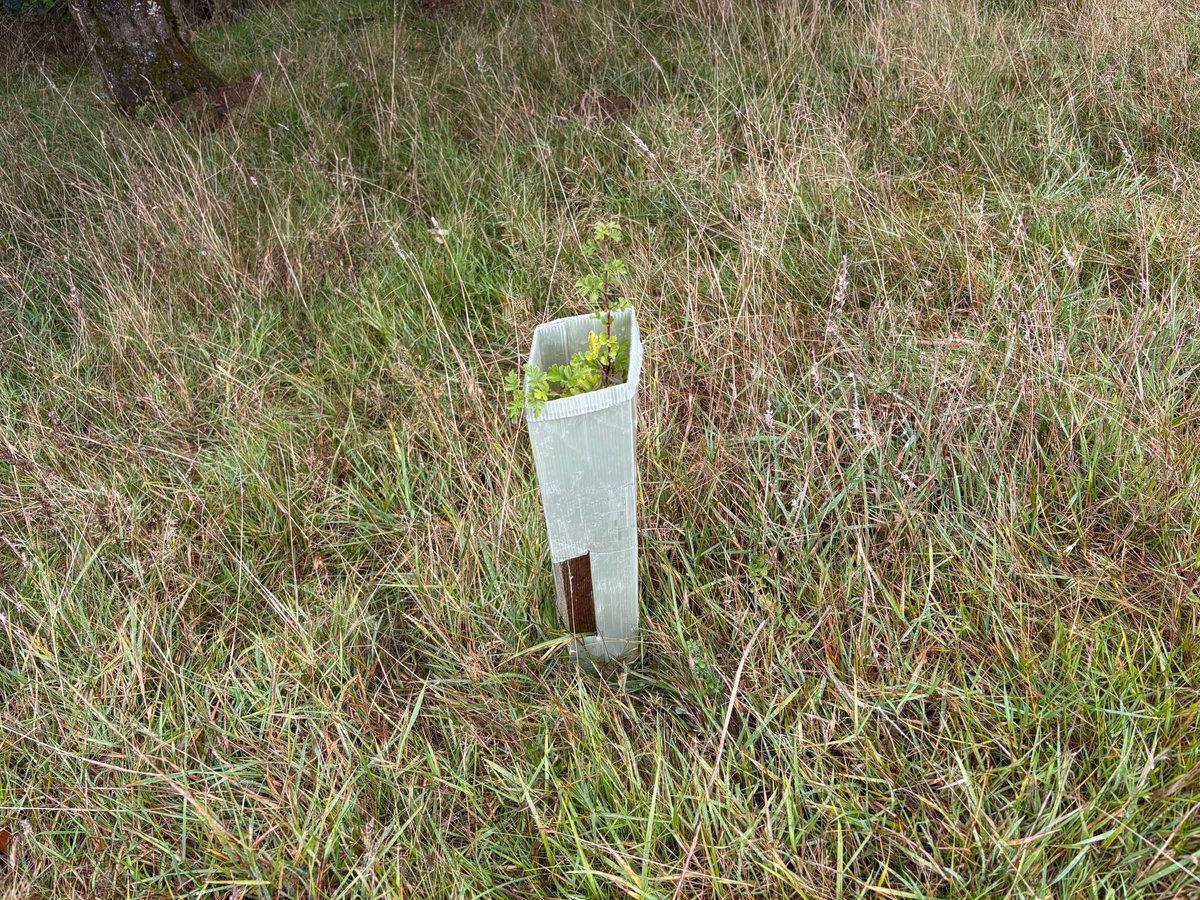
The results were incredibly mixed, and the weather was not the only thing bringing down the mood. On the south facing slope, the effects of the intensely hot and dry spring/summer were most pronounced. What little rain fell immediately ran off down the hill, evaporating in the long grass before it got anywhere near the soil. Survival rate was a shocking 38-55% across the compartments on this site.
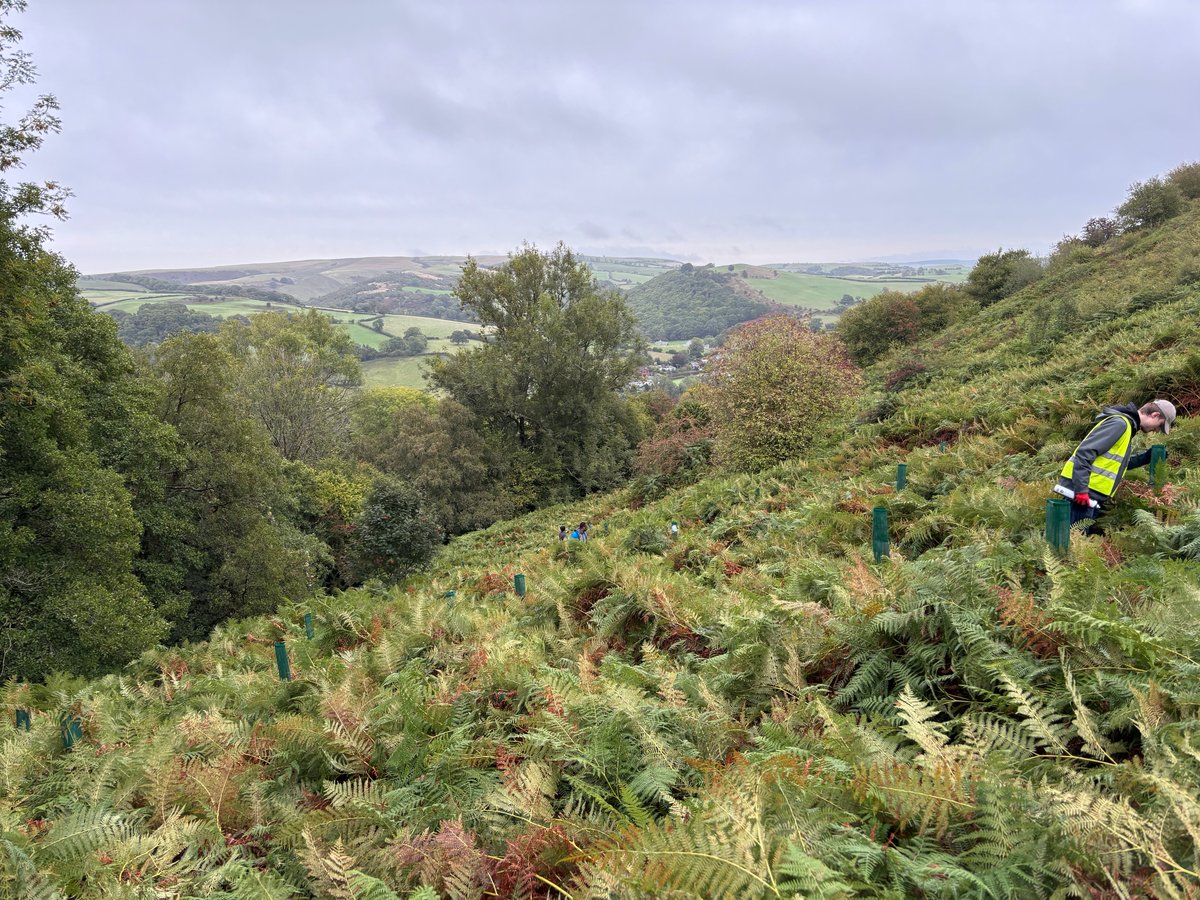
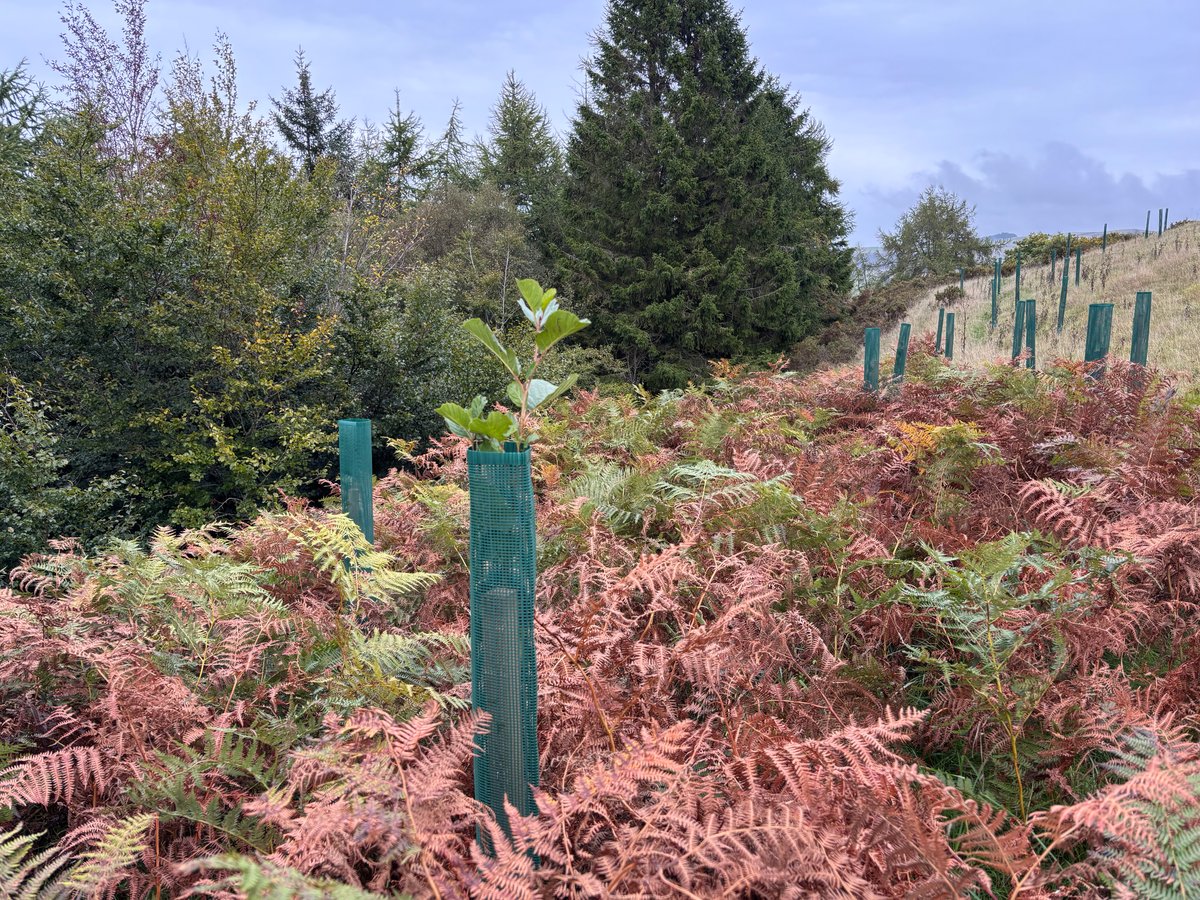
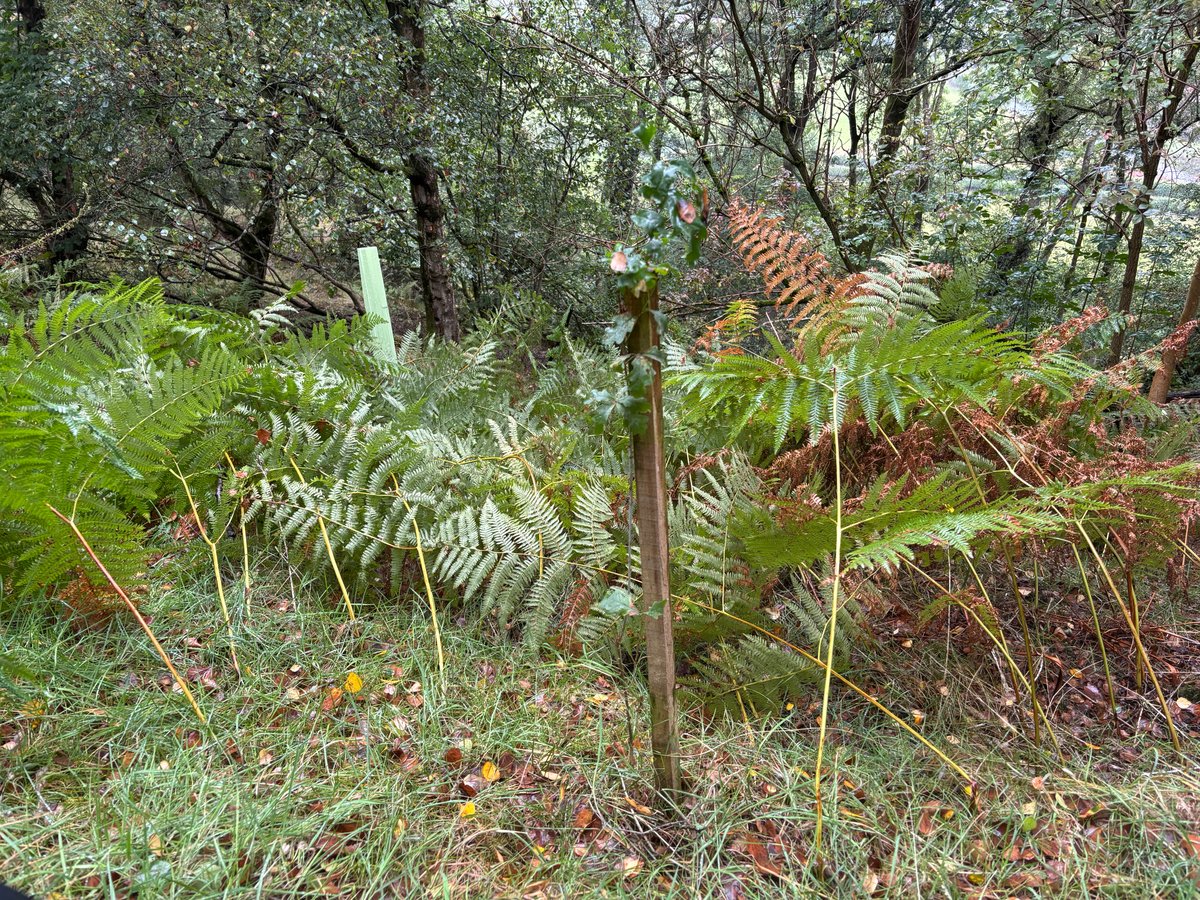
The north west strip next to the tiny sliver of ancient woodland along a stream did amazingly well. The bracken was completely dwarfing our young saplings, but that provided enough shade for them to survive. 76% survival there.
The east-facing slope of Goytre Tump was right in the middle of the two. Everywhere the sun and wind got to the saplings they were doing poorly. Everywhere sheltered was doing brilliantly. Overall that largest compartment was a more manageable 60% survival rate.
Across the entire site, the year 1 survival rate is 54%, which is far below our goal of 80% survival by year 5. I am holding out faith that many of those saplings have simply “dead-headed” themselves and will be coming back from the roots as we regularly see across our various sites after a rough summer, but we will not rely on that hope alone.
We’ll be replanting the worst hit sections adding back another ~20%, planting next to the failures instead of replacing them, so those that wish to have another try can do so.
Hemp mulch mats will be added on the south slope where the sun is the most intense, to keep down competition from grass, allowing more water to the soil, and to shade the soil from direct sun to help retain that moisture.
All saplings will be dipped in mycorrhizal fungi root dip to help them get their roots down further, which has helped drastically boost the success of replanted saplings on other sites that faced a rough first year.
This is our first large woodland we’ve planted on land we’ve bought. Managing 12,000 trees is a lot different to managing 500 or 5,000, and planting it in 2025 before the worst summer since our horrific 2022 season was unfortunate timing. Thankfully we have this. The local volunteers are dedicated, and planting season is upon us so we can get this done.
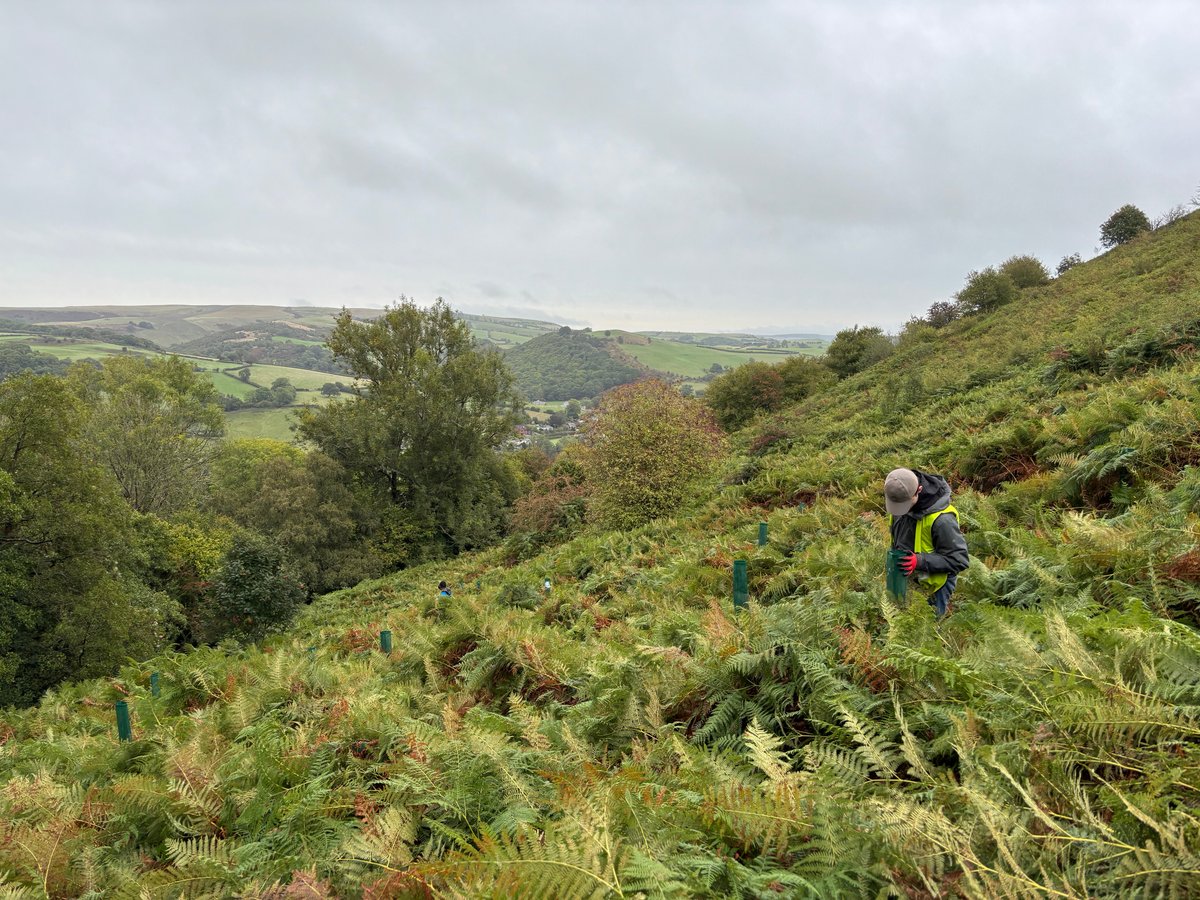
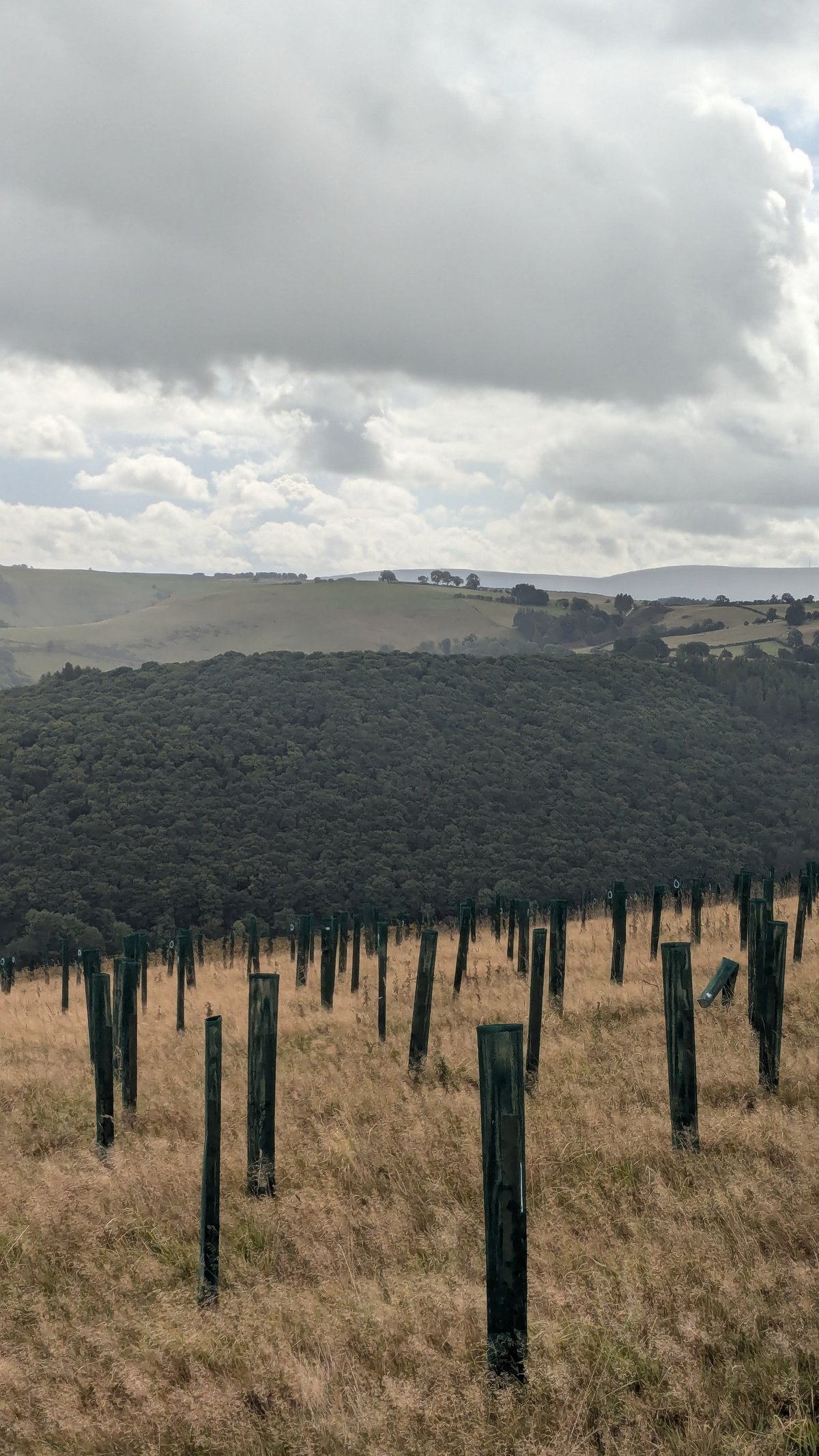
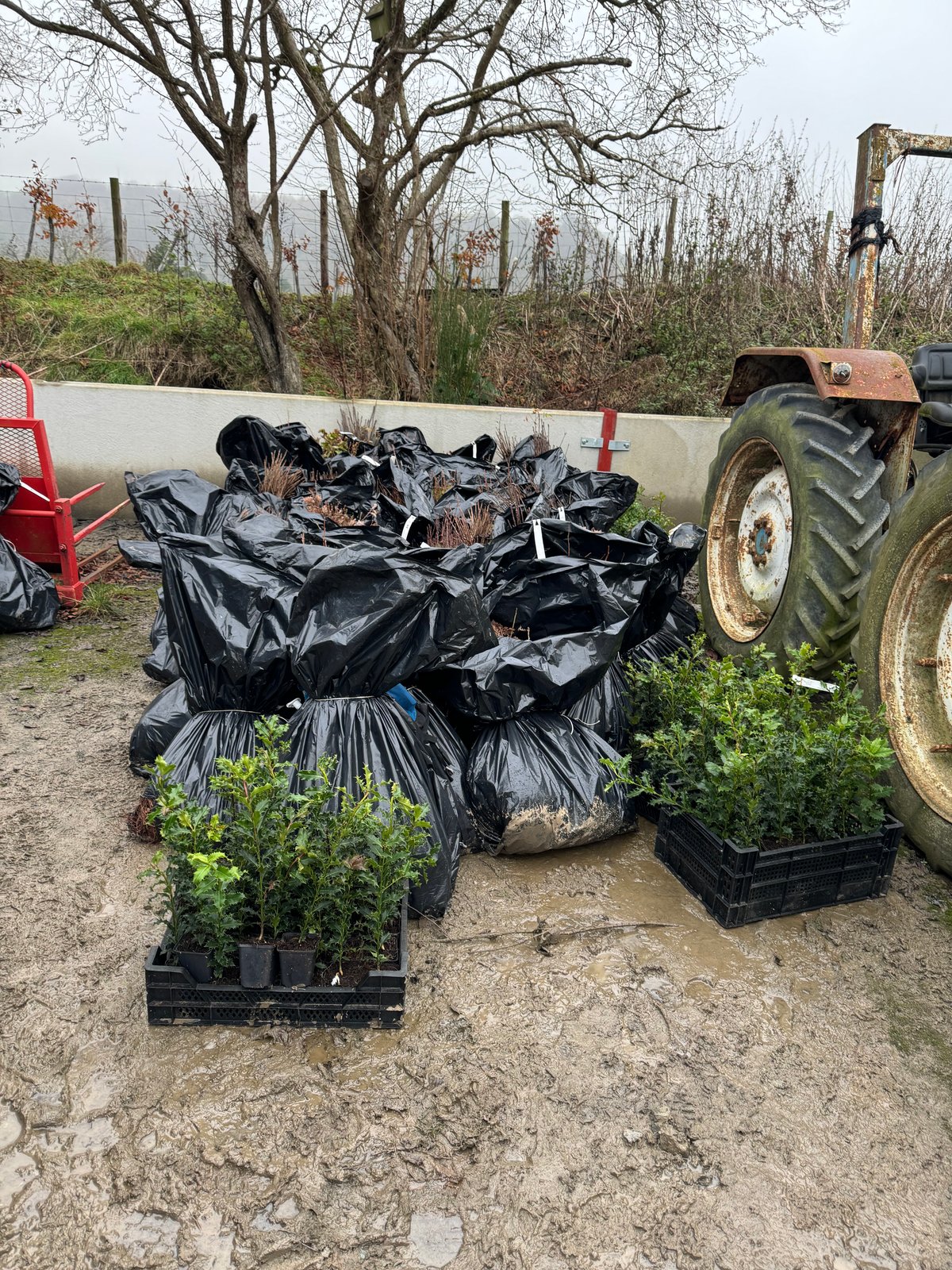
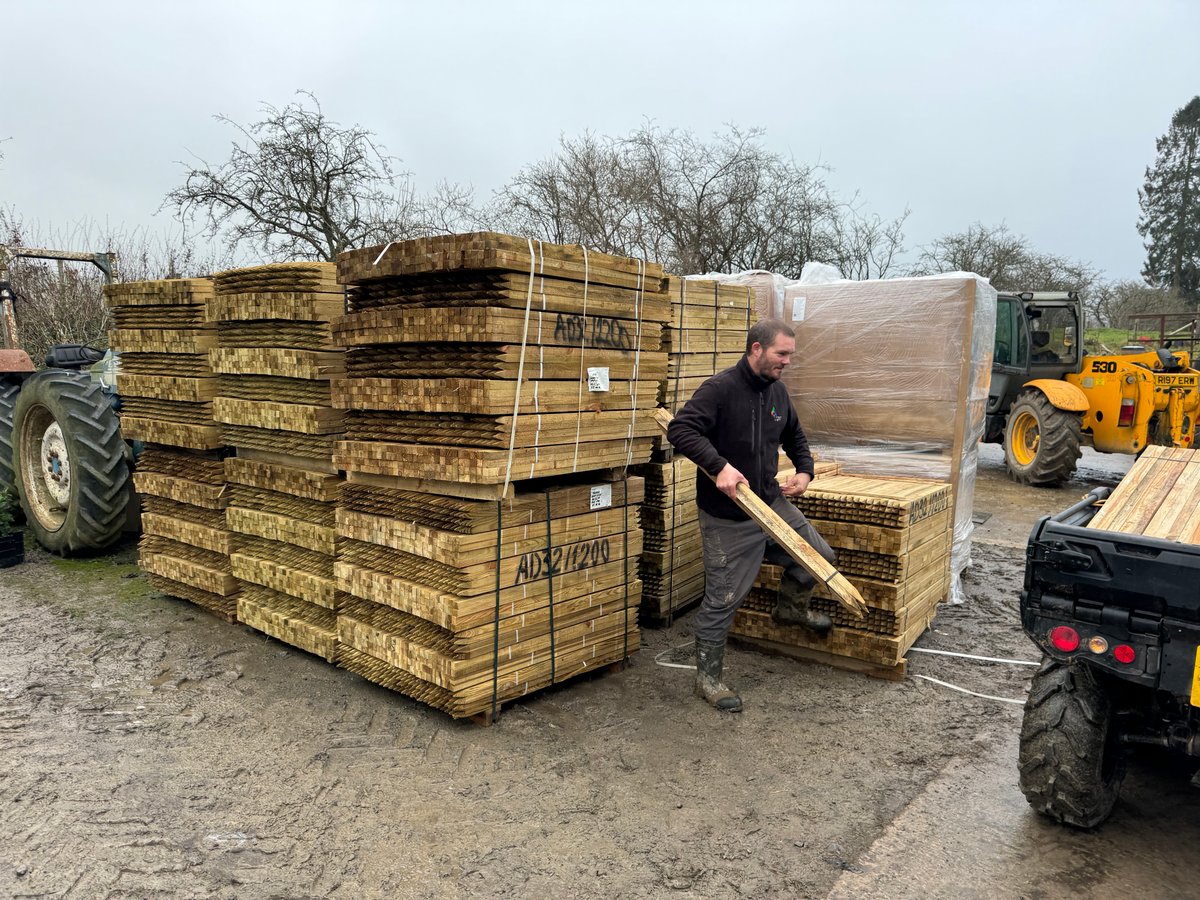
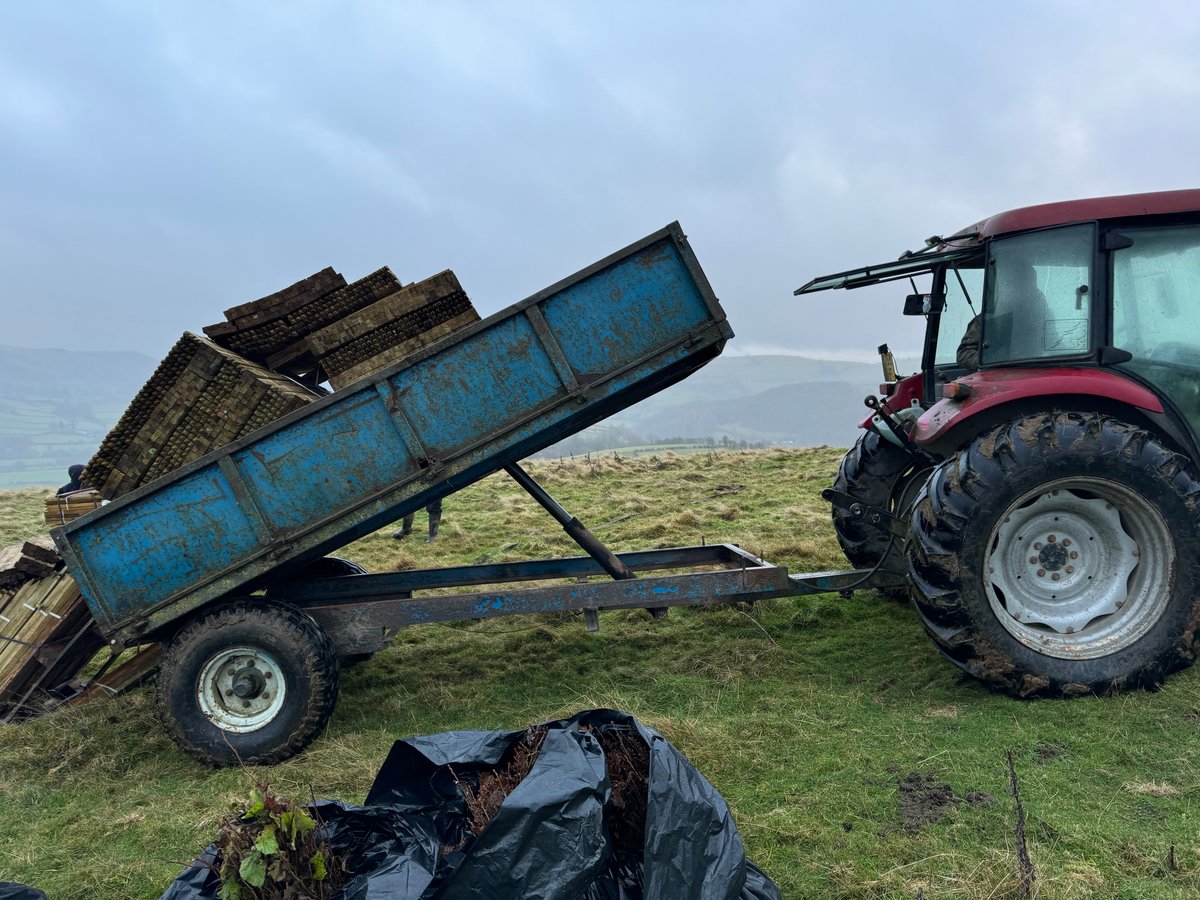
Planting this one was such a big job we had to call in the cavalry: a professional team of local tree planters helping out our local community volunteers. We week kicked off on Wednesday 4th December with some press from The Times coming to see how it all works, and learn the multiple benefits of woodland creation like flood protection. On Thursday 5th, with all the supplies delivered, Steve, Andy and Phil from Protect Earth got to work, moving tonnes of wooden stakes and countless bags of saplings from the neighbouring farm to the planting site.
Friday 6th brought one of the highlights of the week: 18 local secondary school students, from Severndale Academy at Mary Webb (Pontesbury), working towards their bronze Duke of Edinburgh forestry award, joined us with their teachers for a planting day. It’s very special providing young people with an opportunity to connect with the land around them, each sapling carefully placed, each student walking away knowing they've left something lasting on this hill.
The weekend saw our wonderful community of volunteers turn out across Saturday 7th and Sunday 8th December, giving their time and energy. We are pleased everyone enjoyed learning about the project and contributing to their local ecology. Constantly traipsing up and down the steep muddy wet hill really added to the adventure!
Help us create and maintain new woodlands, hedgerows and wildflower meadows! We need volunteers to sow seeds, plant saplings, clear invasive plant species and pick up litter. No qualifications necessary; jobs for all ages and abilities. Come and turn climate anxiety into climate action!
With government funding for reforestation and rewilding tenuous, we increasingly rely on our amazing community to keep us growing regardless of political shifts. Help Protect Earth continue to restore ecosystems and improve biodiversity across the country.
Help us put down roots! Your donations to our Land Fund let us seize the moment when the perfect piece of land comes up for sale. Every penny helps us secure community woodlands, healthier ecosystems, and a greener future for generations to come.