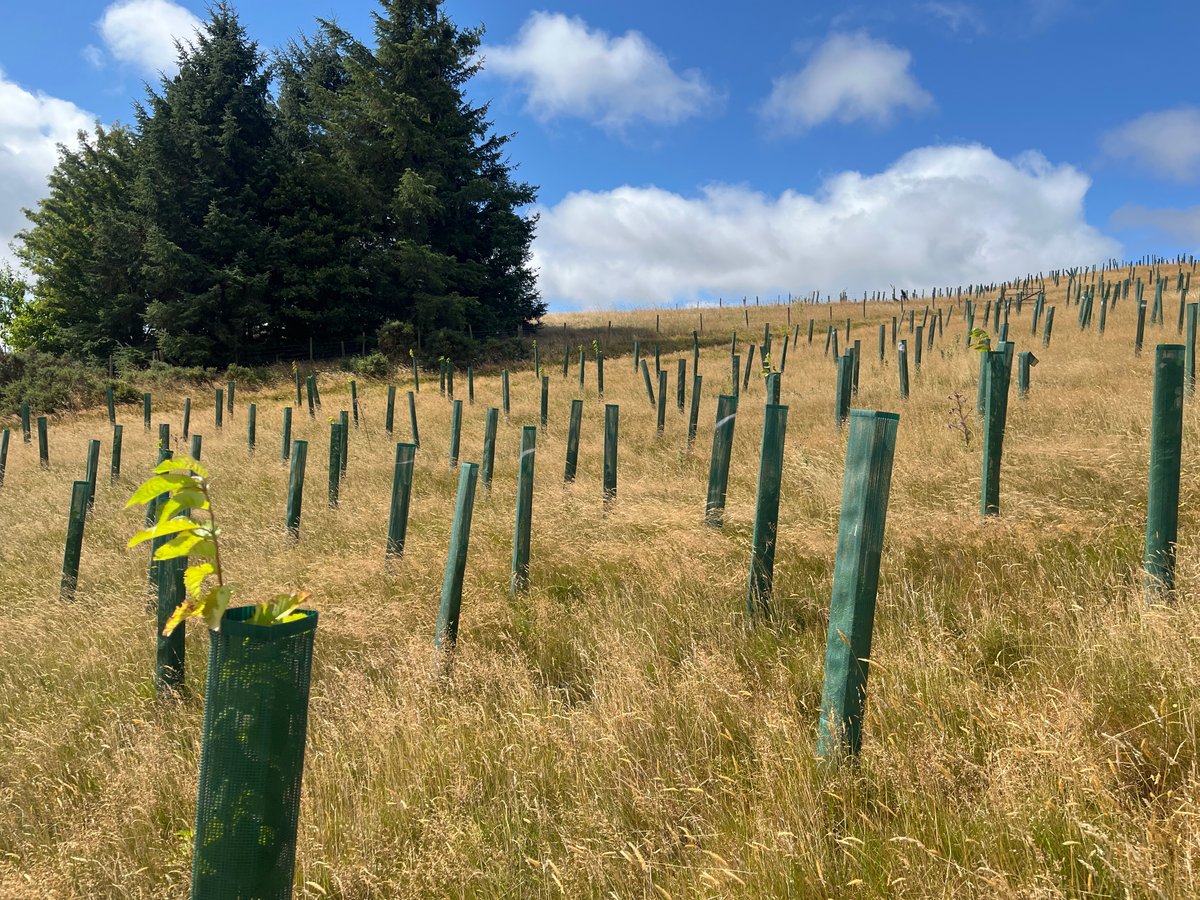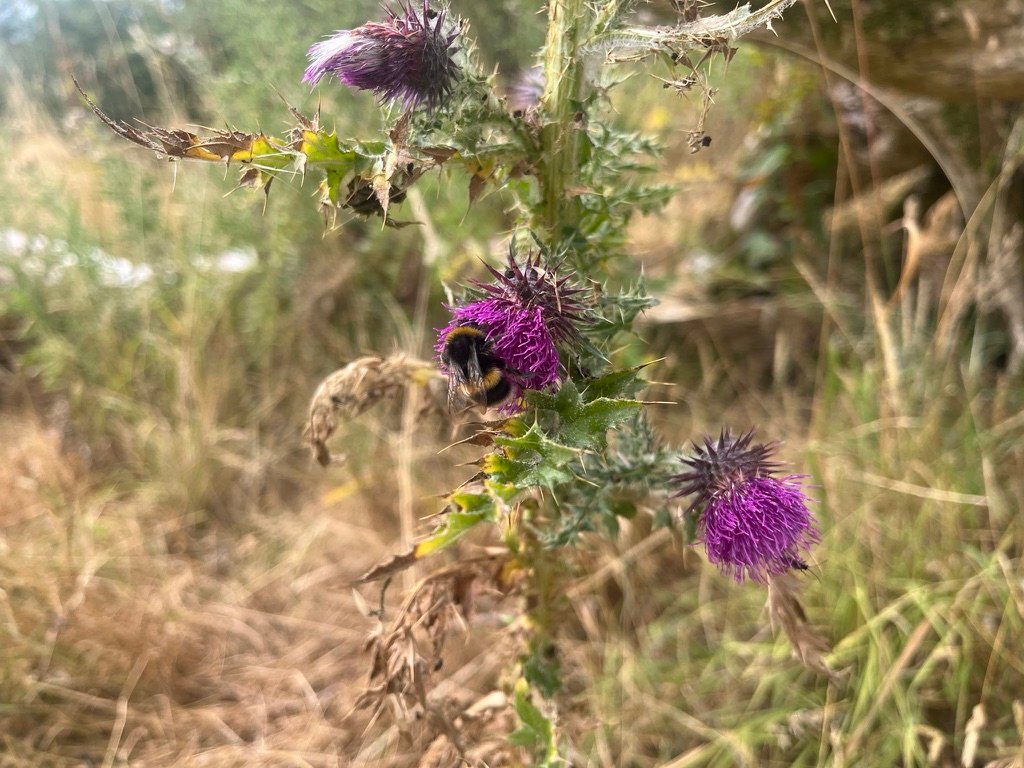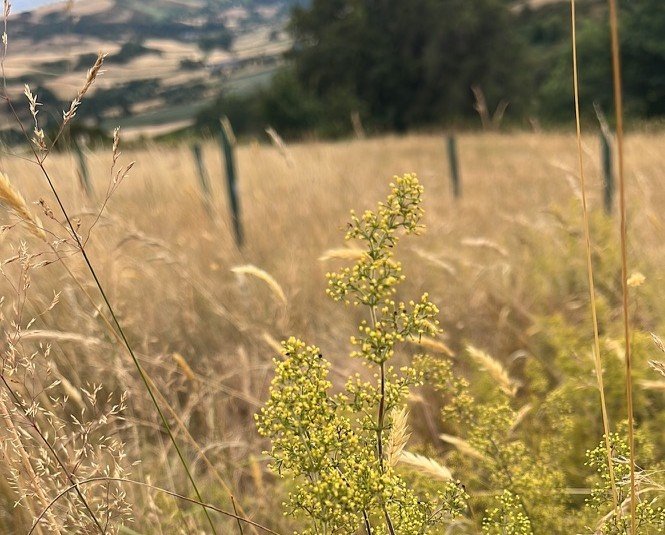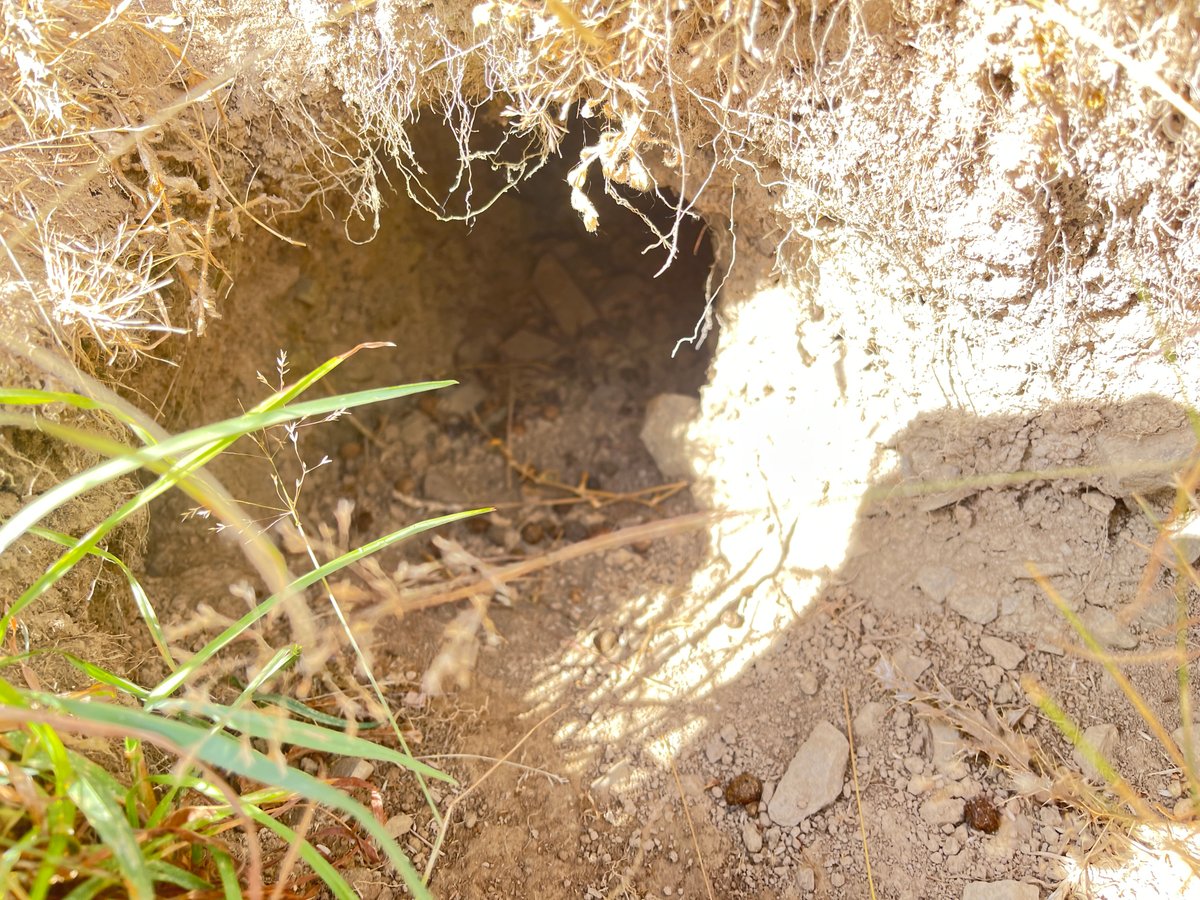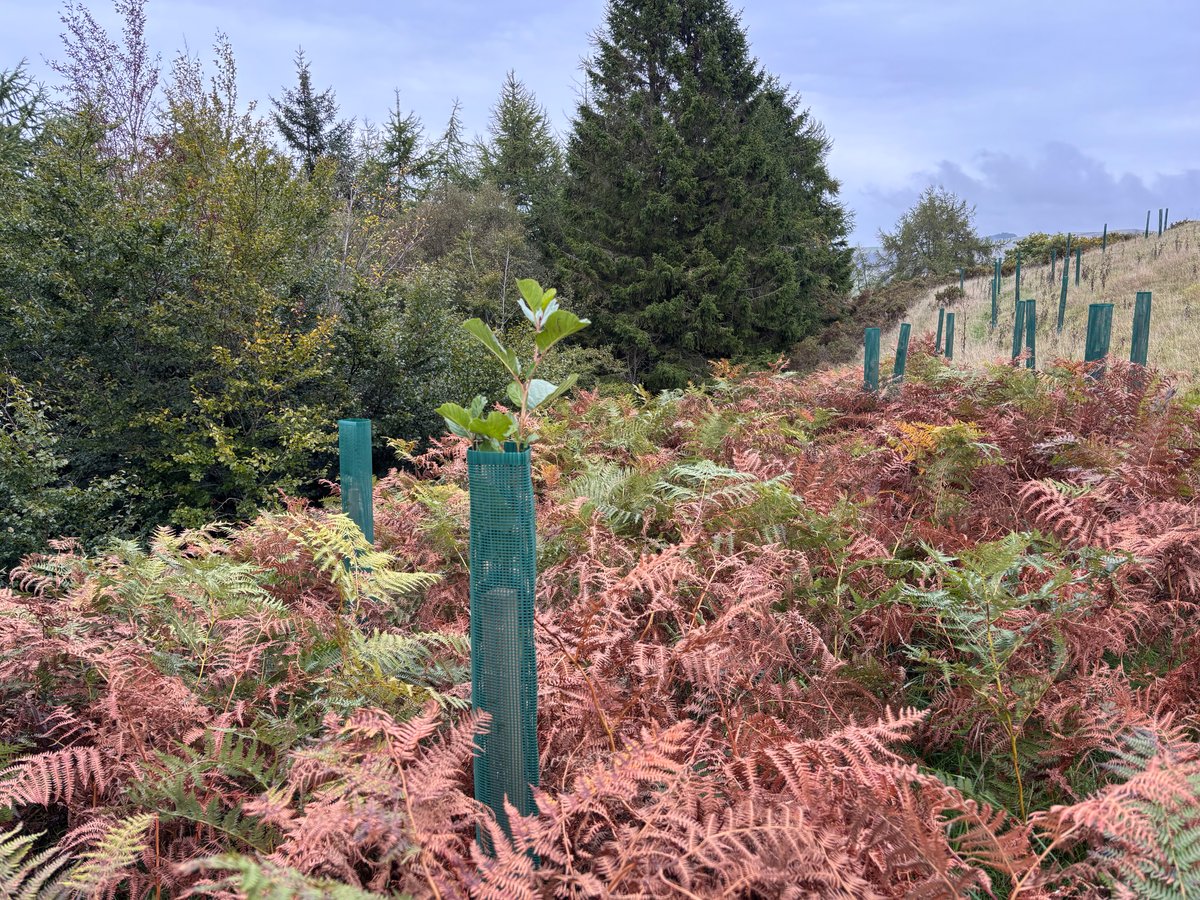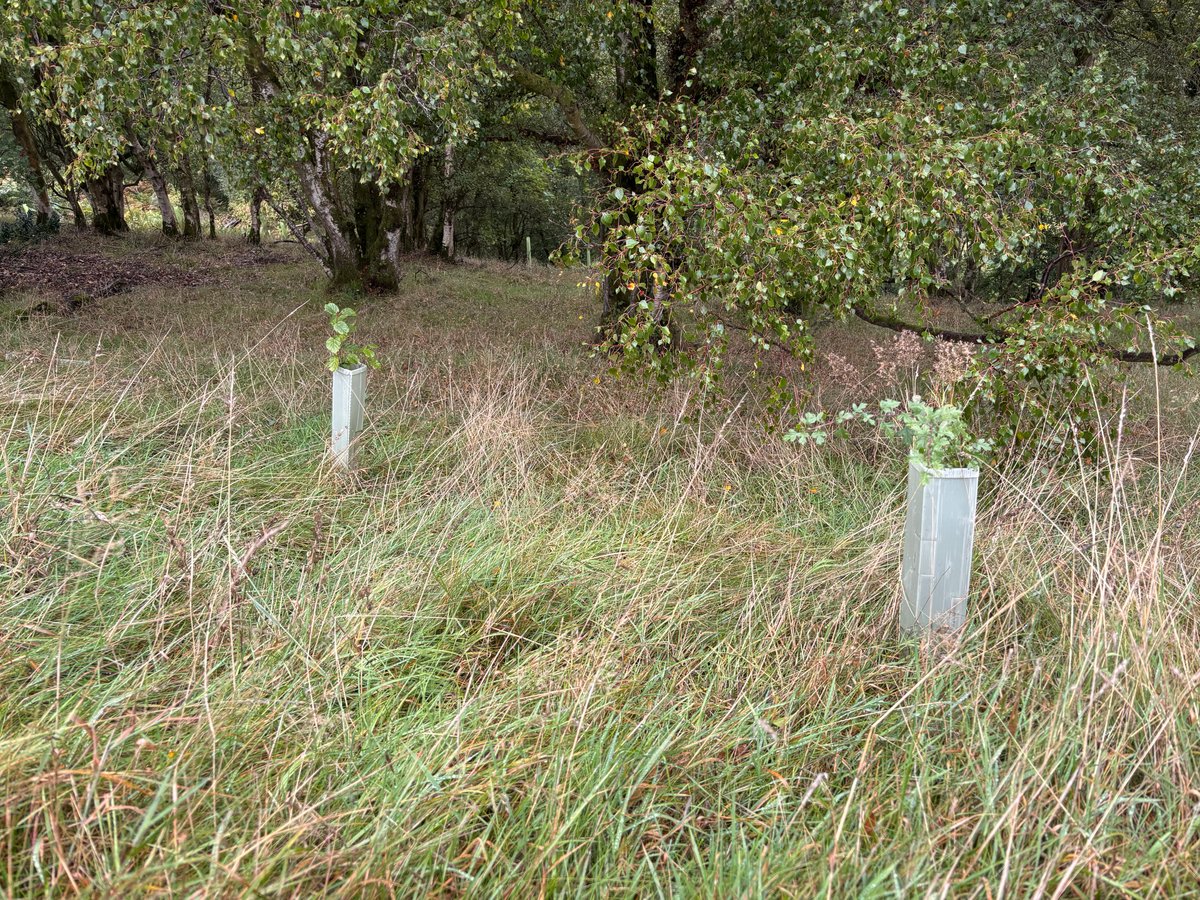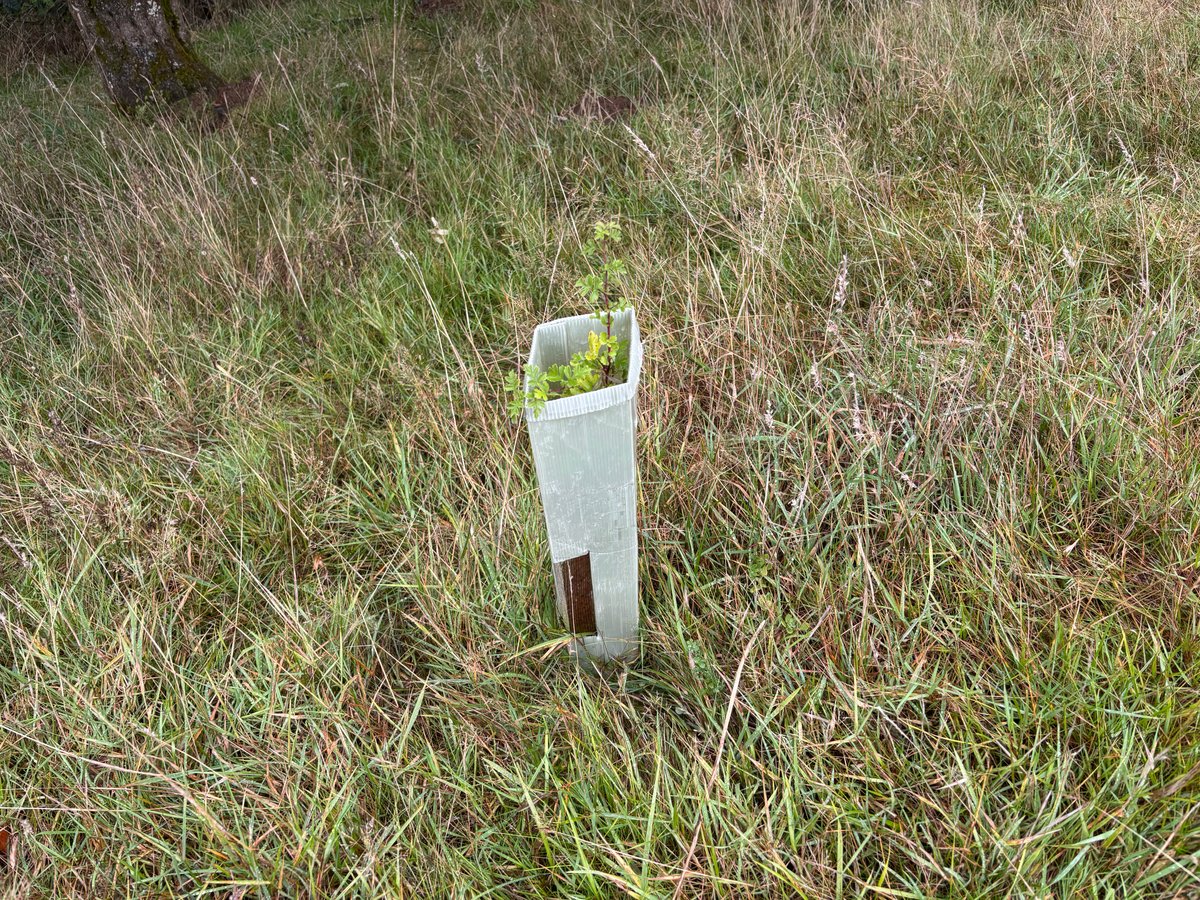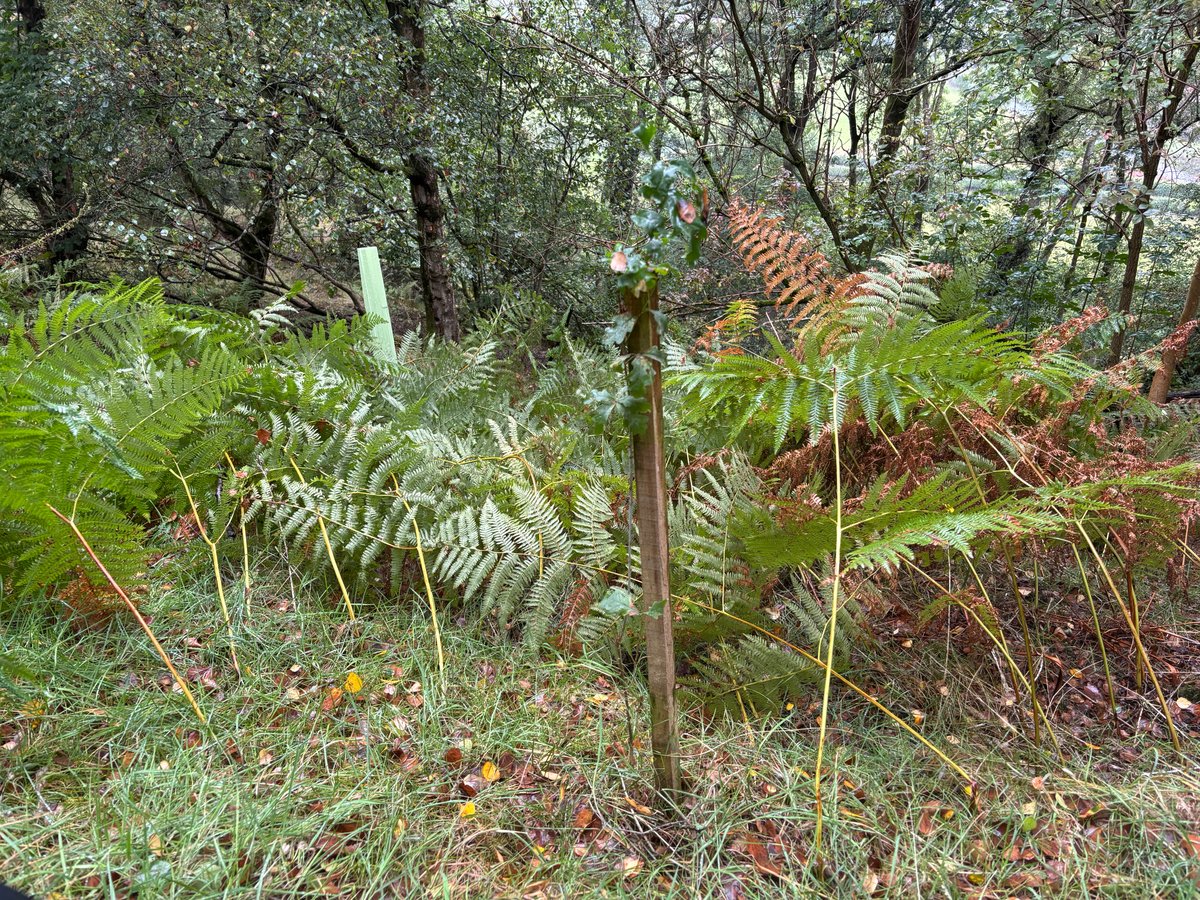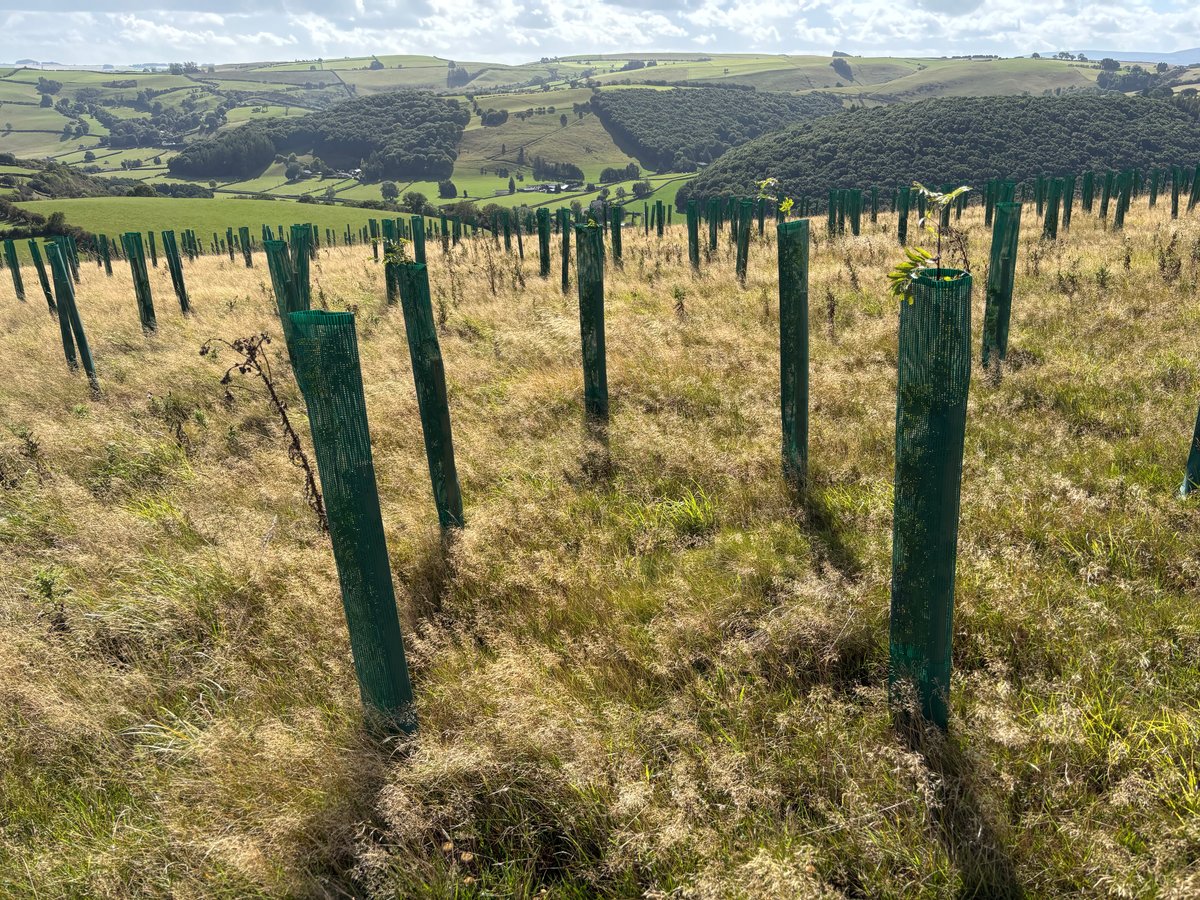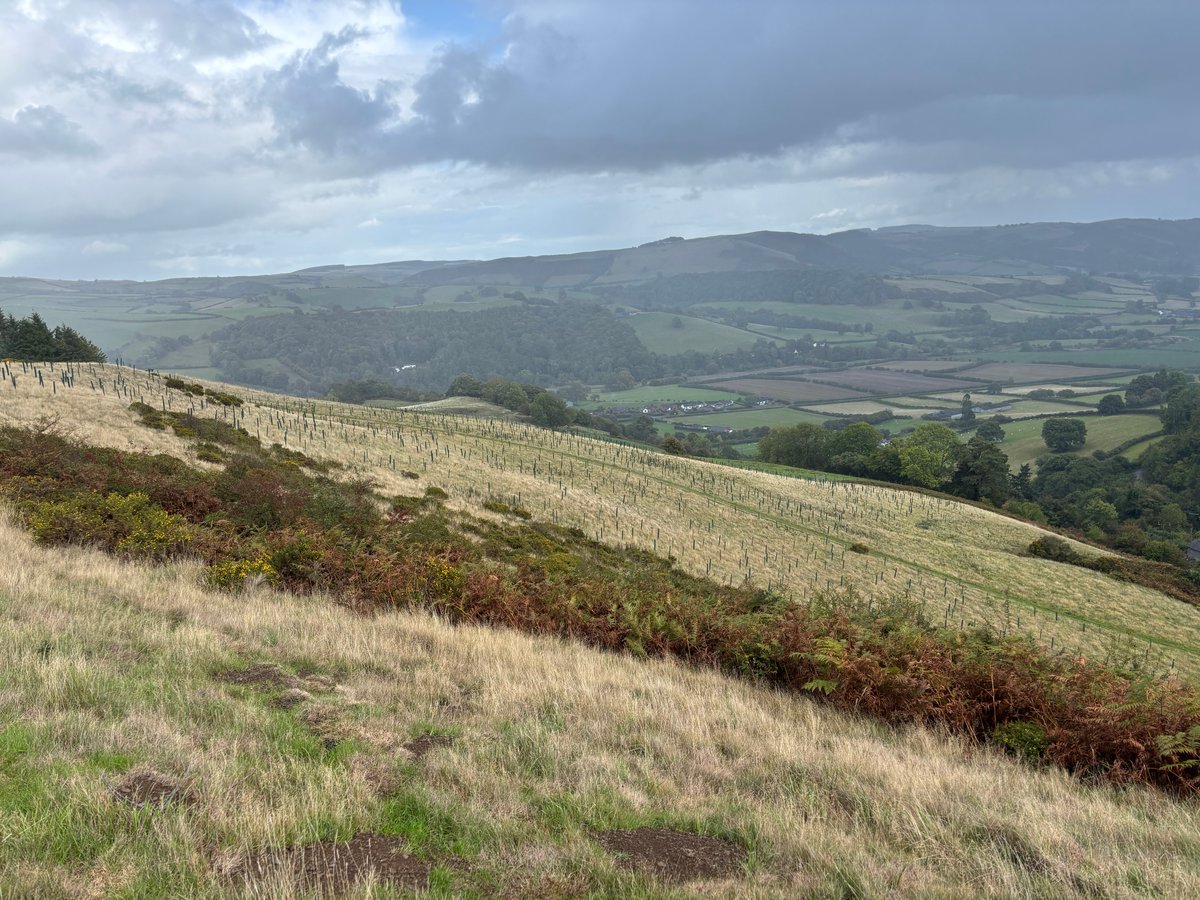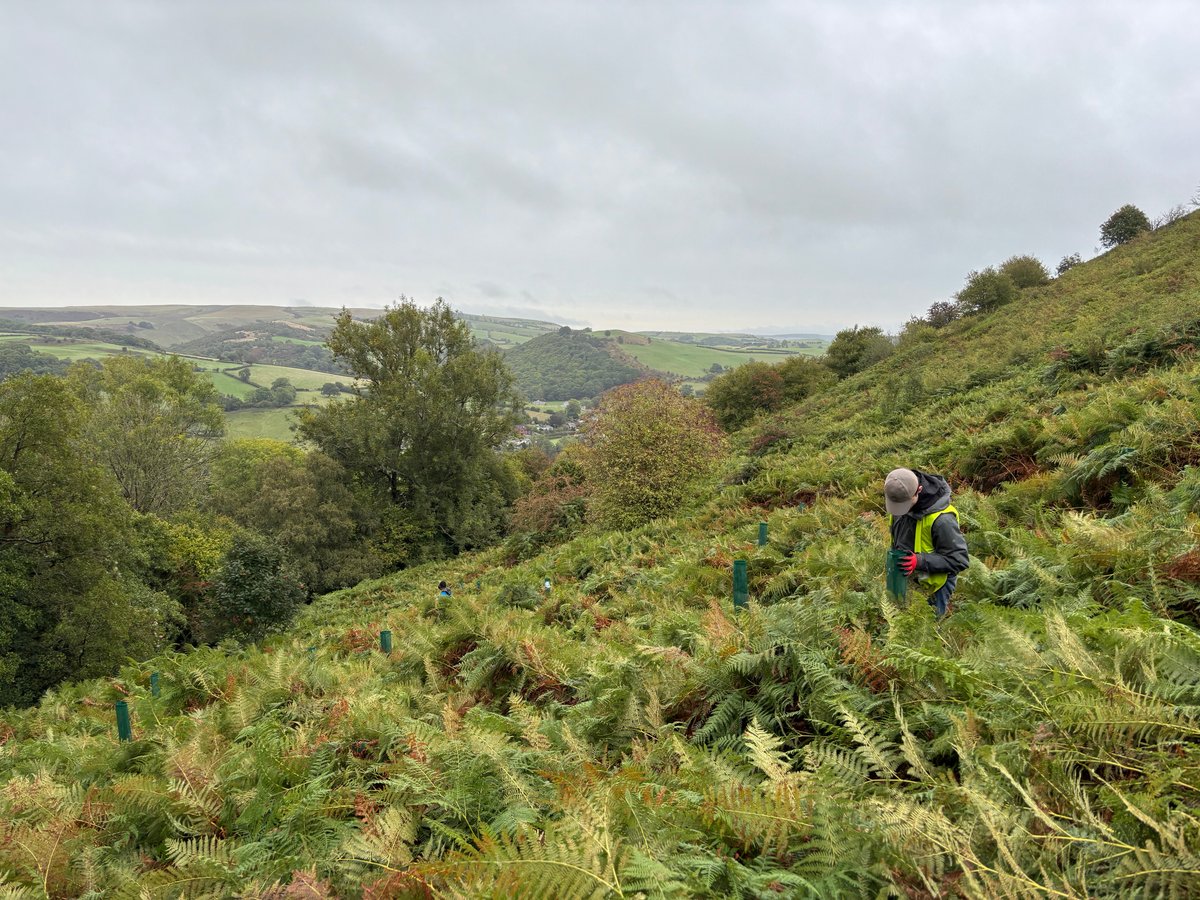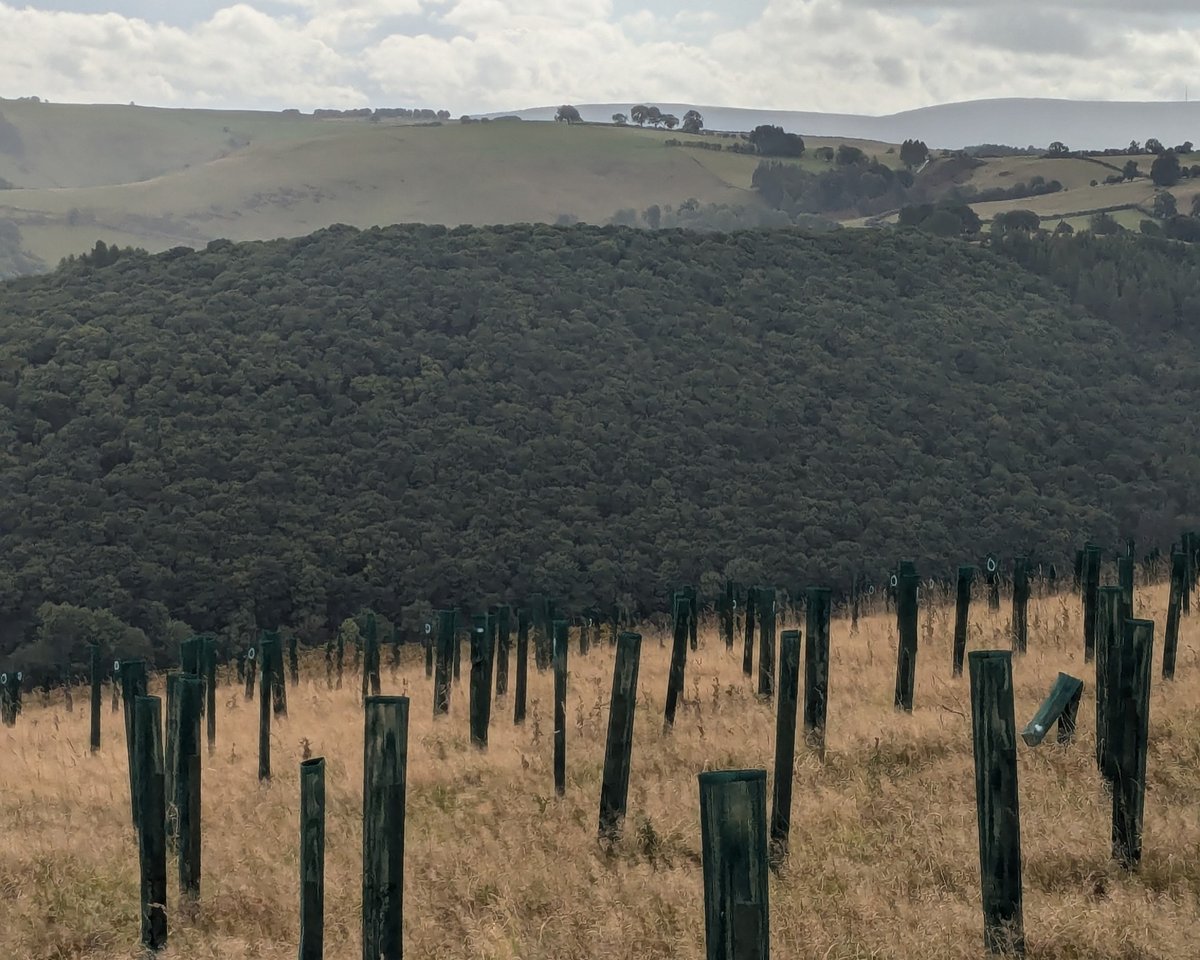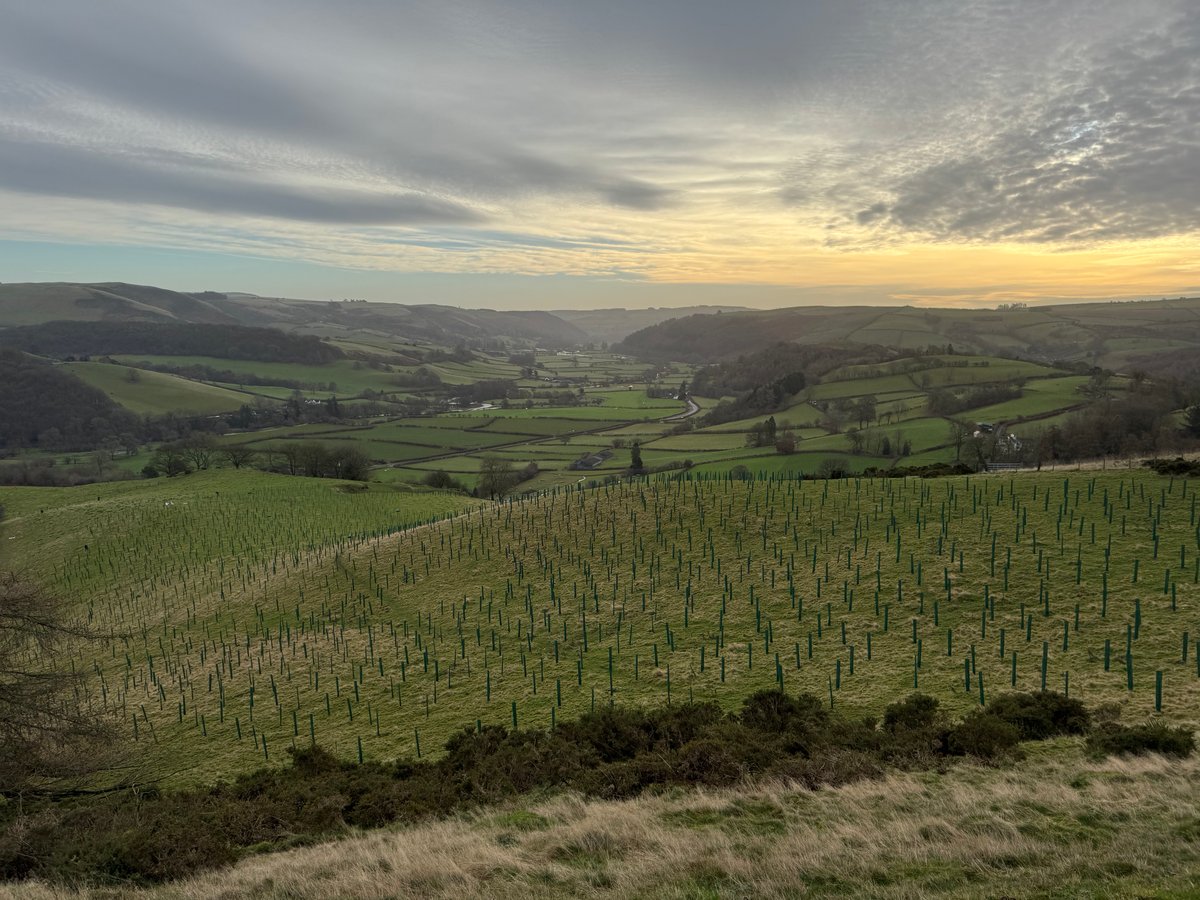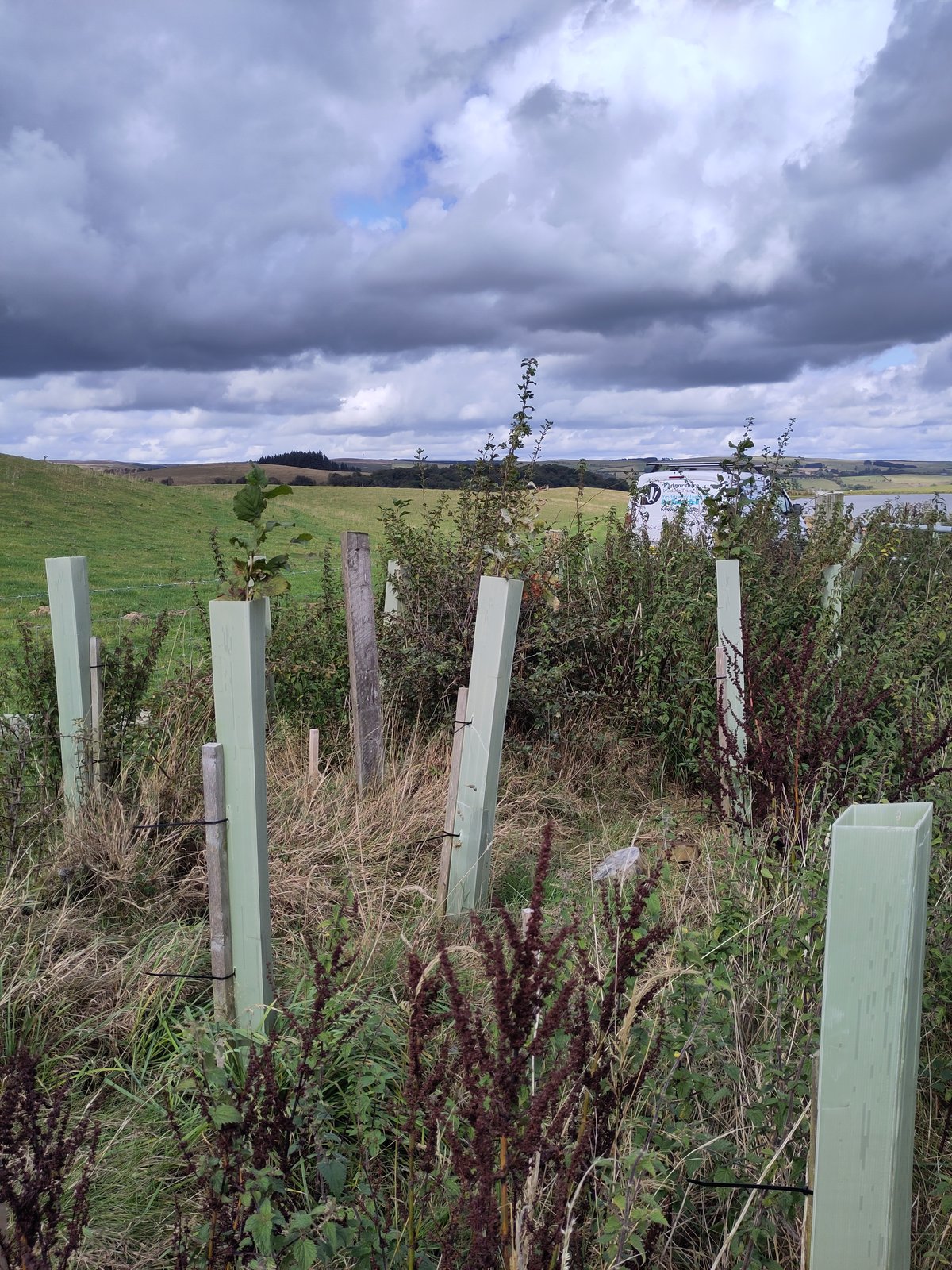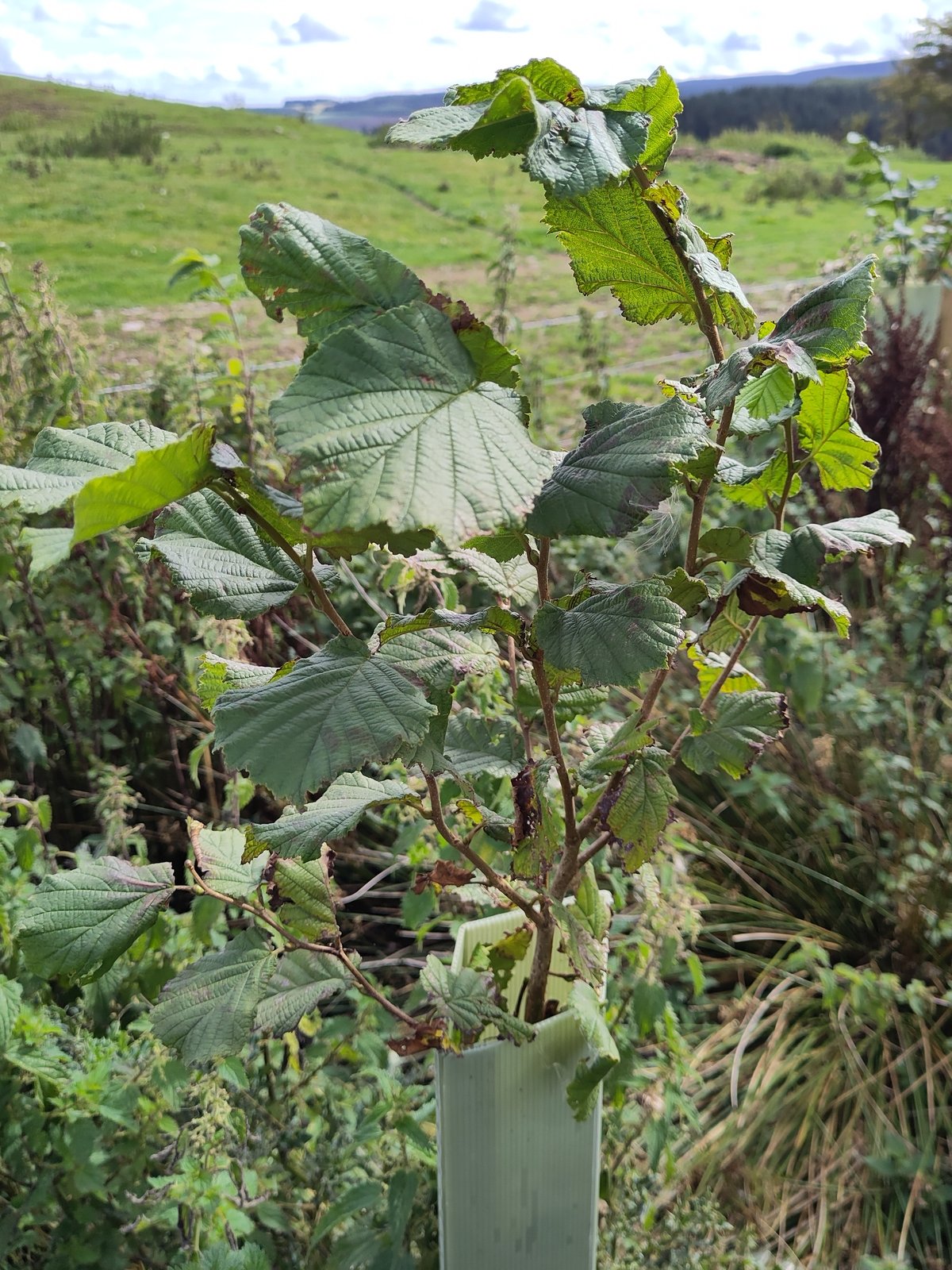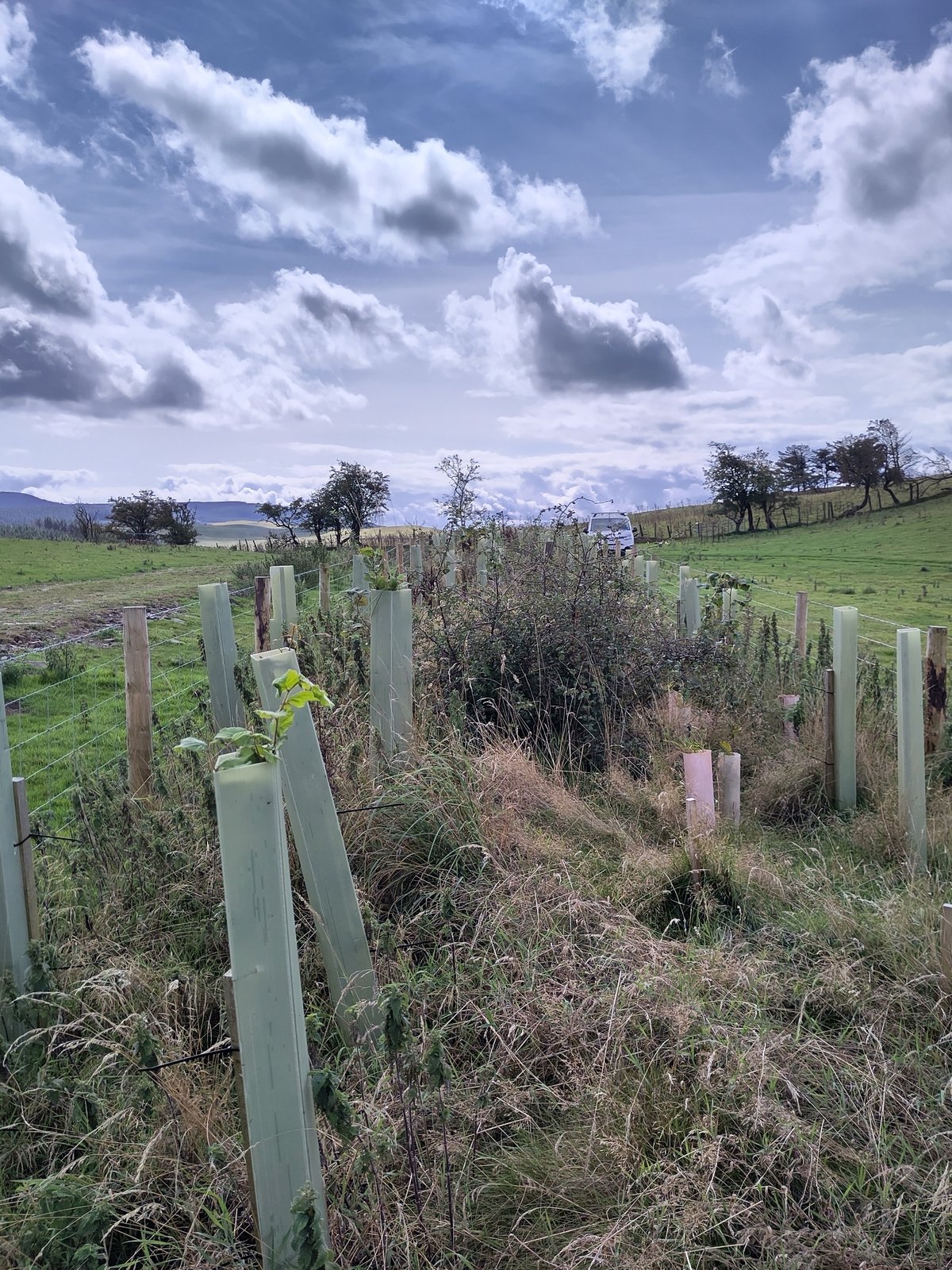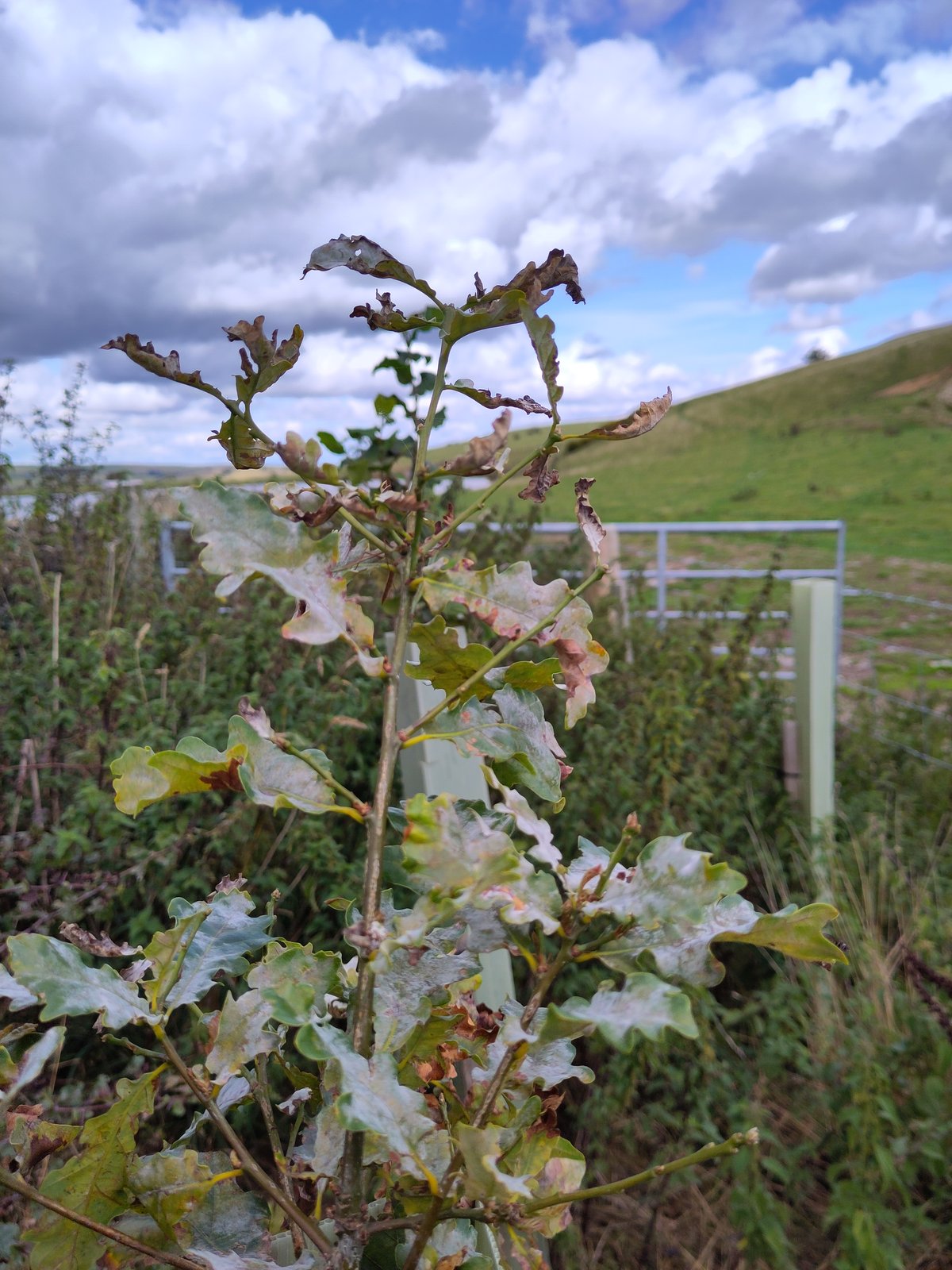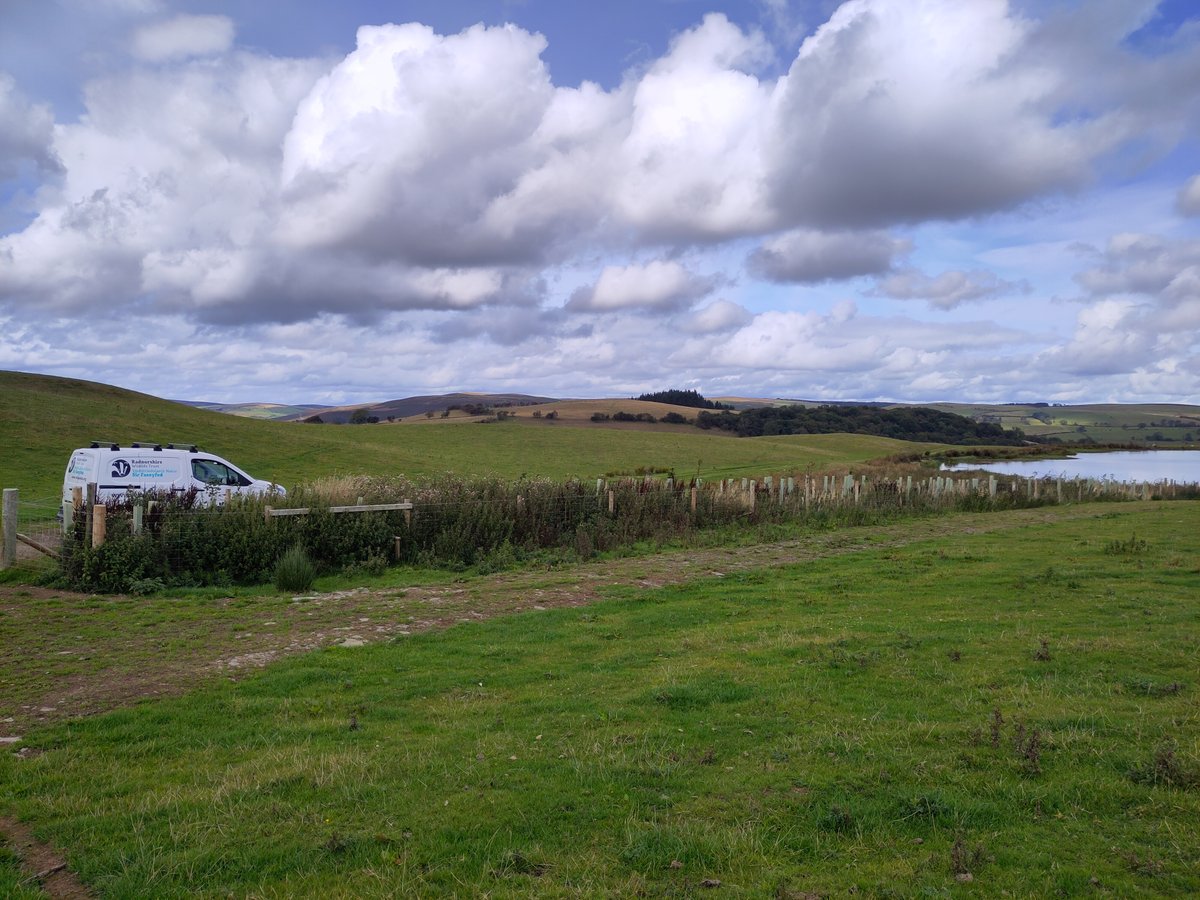

Heading back to Goytre on a very hot day in July to carry out a survival survey, we were please to see evidence of a range of wildlife. This included a badgers sett, a hare’s burrow, a burrowing bumblebee nest, and a variety of butterflies and wildflowers such as a painted lady and lady’s bedstraw.
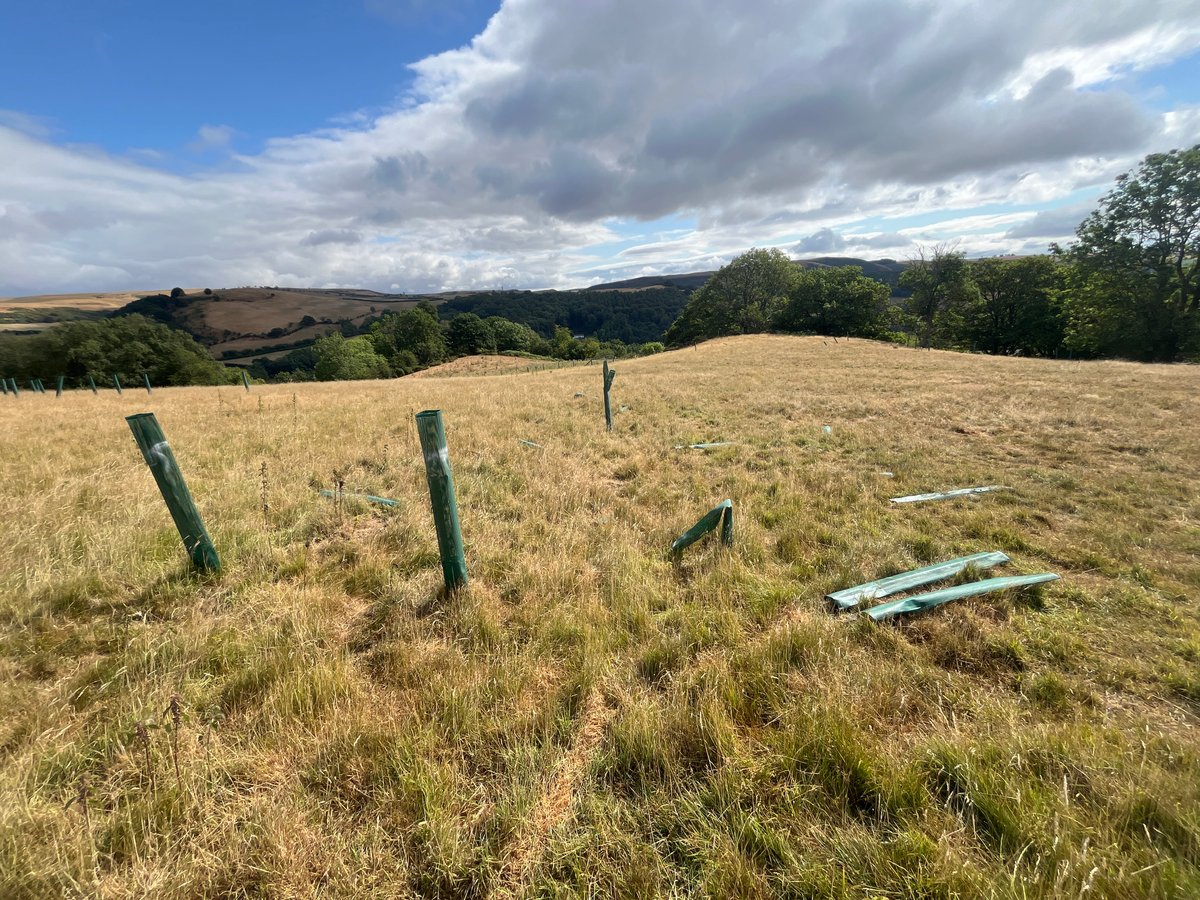
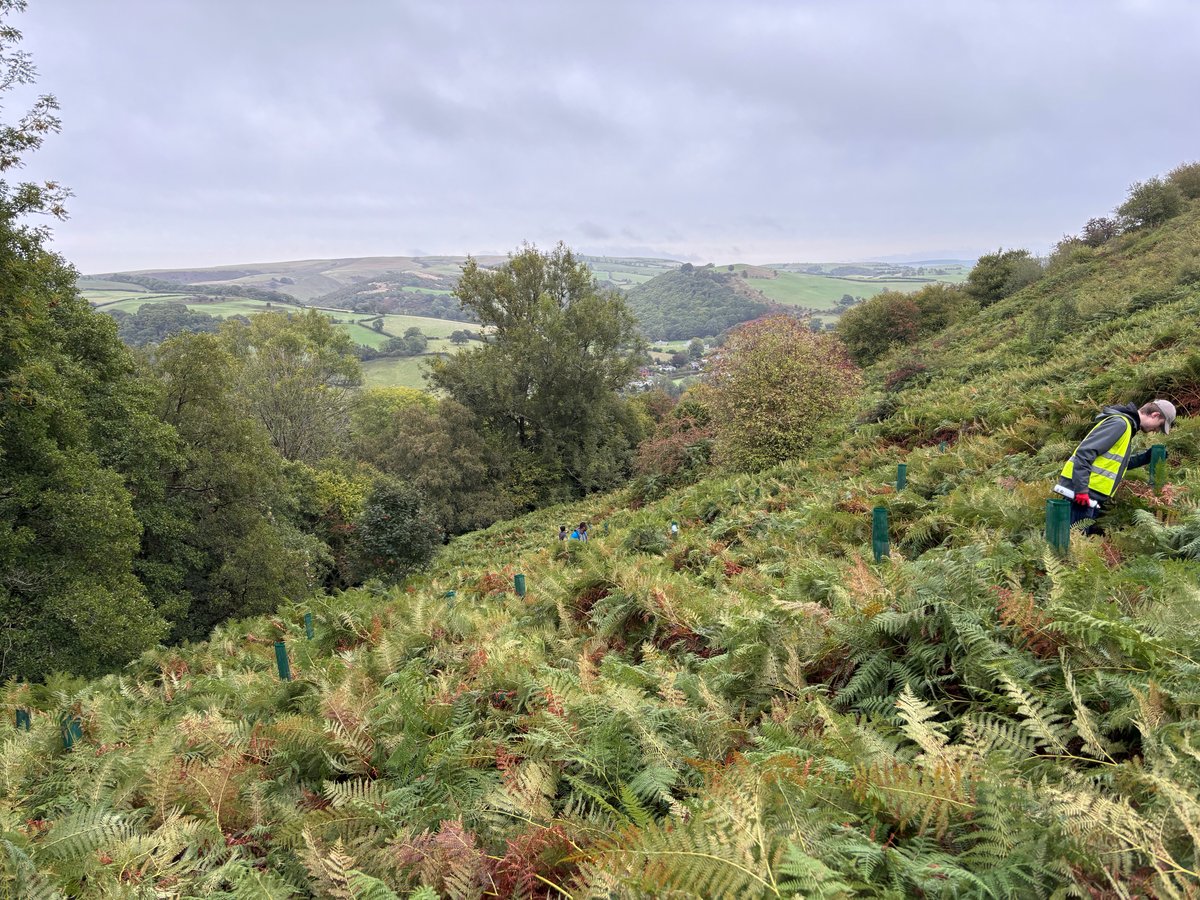
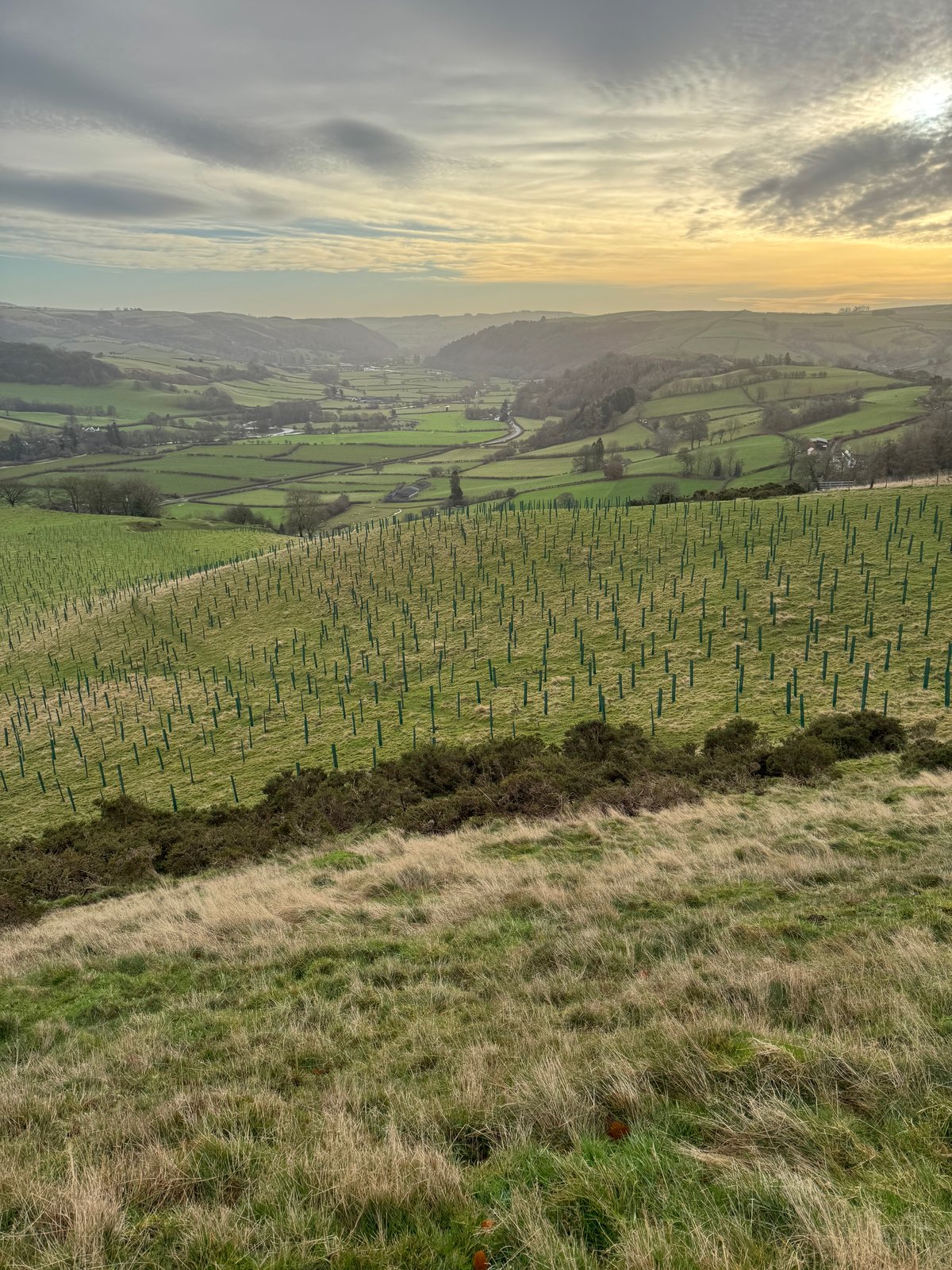
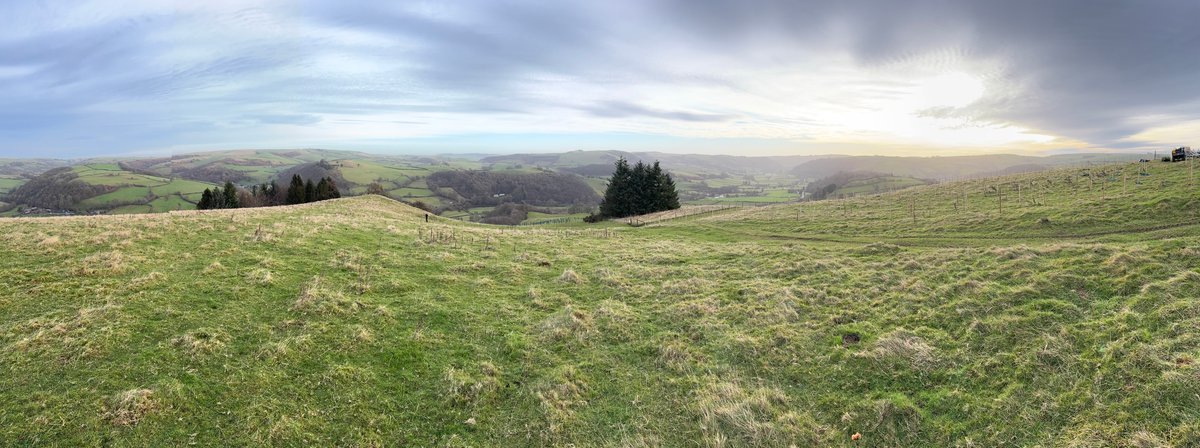
It was apparent that the various areas of the site had fared very differently. The south-facing slope had fared extremely poorly after a second year of extreme heat and drought with a survival rate of only 19%. Other areas had done better with survival rates of up to 57%. Overall, the survival rate was 37.5%.
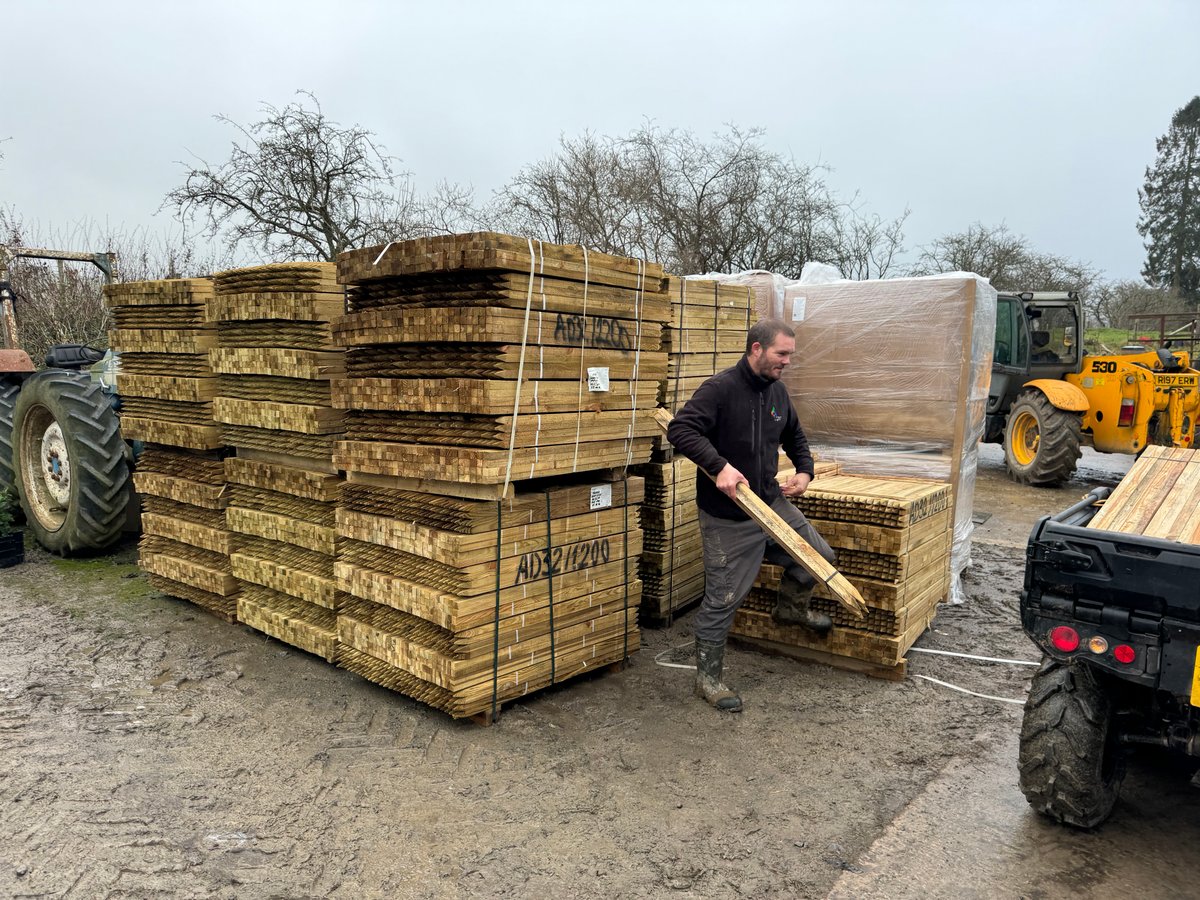
Some saplings had been knocked over and killed by cattle from neighbouring fields escaping into the field, and a fair few trees were lost to antisocial behavior: being run over by quad bikes that are not permitted on the site at all. We have upgraded the two gates letting cows and quad bikes onto the land, so there should be no more issues there.
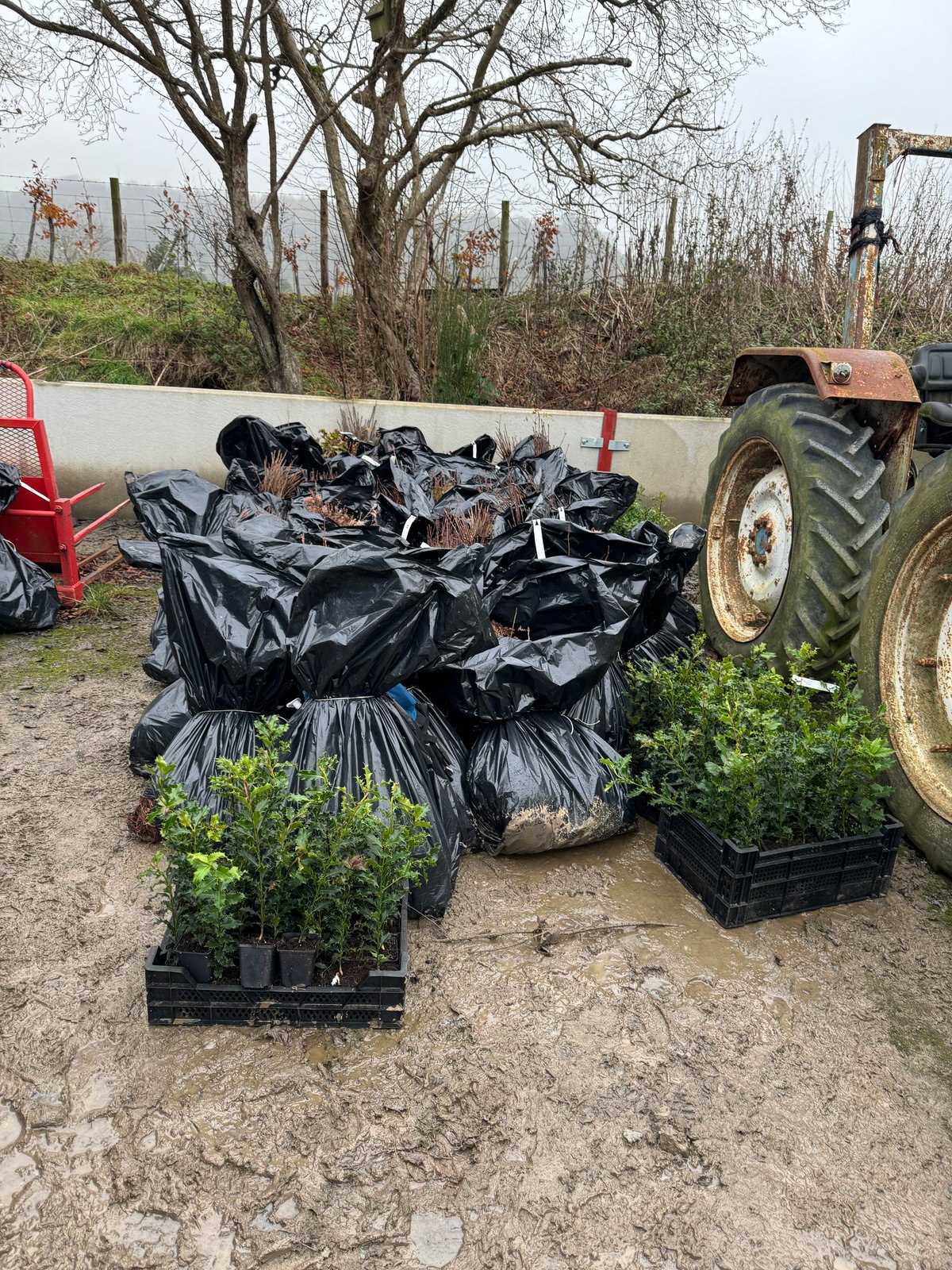
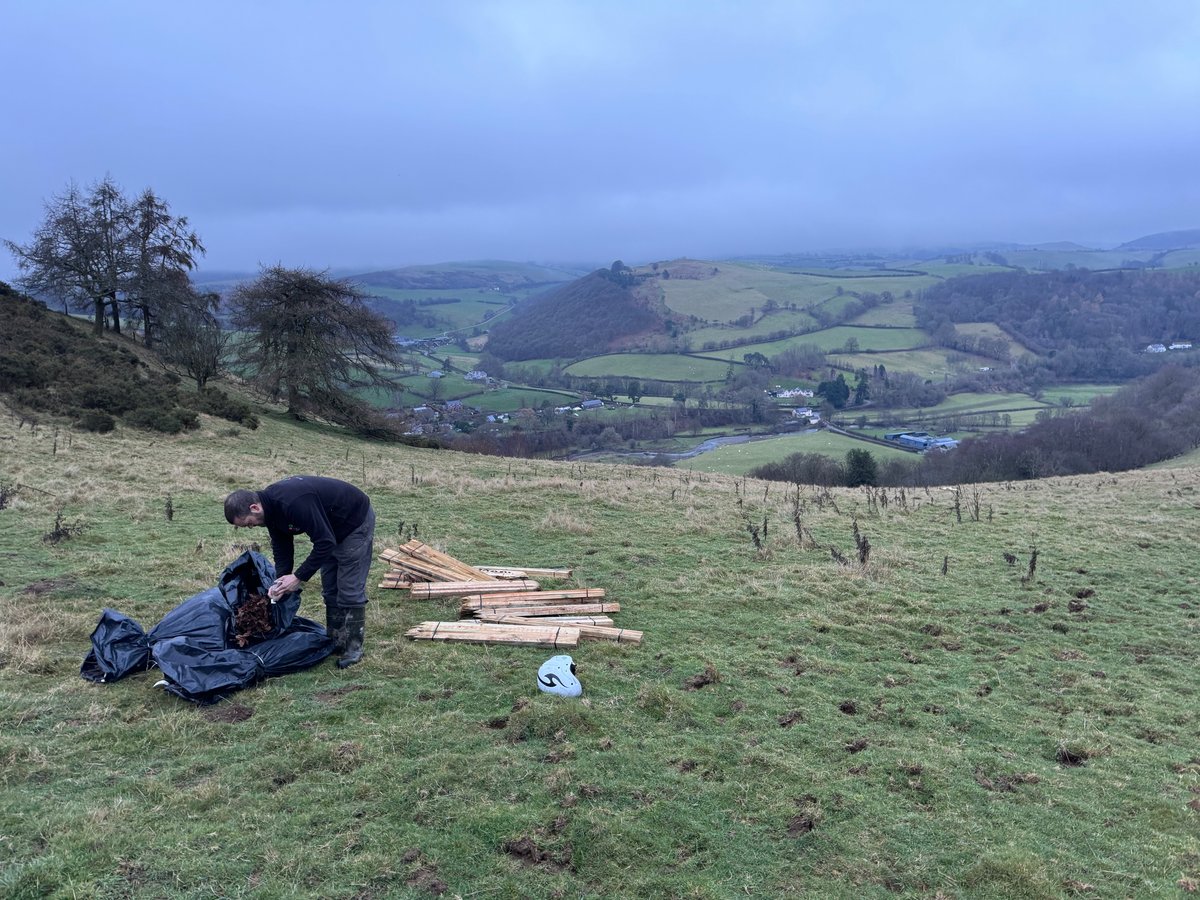
This is one of the lowest survival rates of any site we've worked on, but we are not taking the loss. We've recently hired new site managers who are working hard to making things better week by week. The team is planning to replant some of our losses as soon as tree saplings are available late November, and we'll be doing things very differently: compost going in with the saplings to improve the soil around the roots, and woodchip going over the top to keep the extreme more of the moisture in the soil through summer. Our local community volunteers will be in charge of the restocking under the watchful eye of our site managers, so we're hoping for huge improvements for the next survey.