
Nannerch

Nannerch

📍 Mold, Flintshire

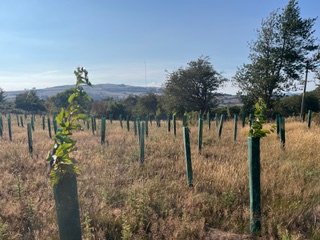
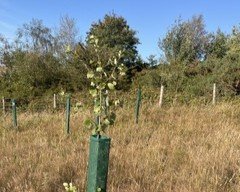
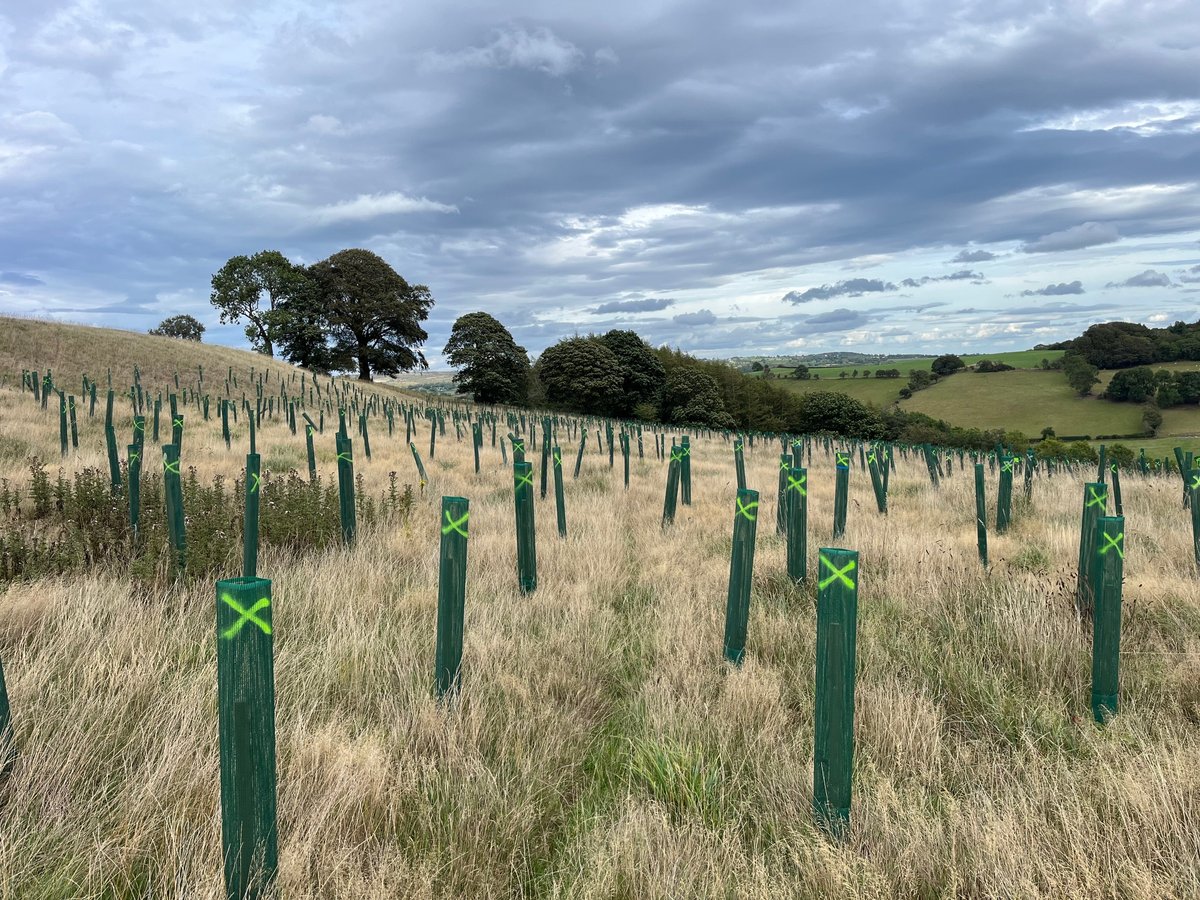
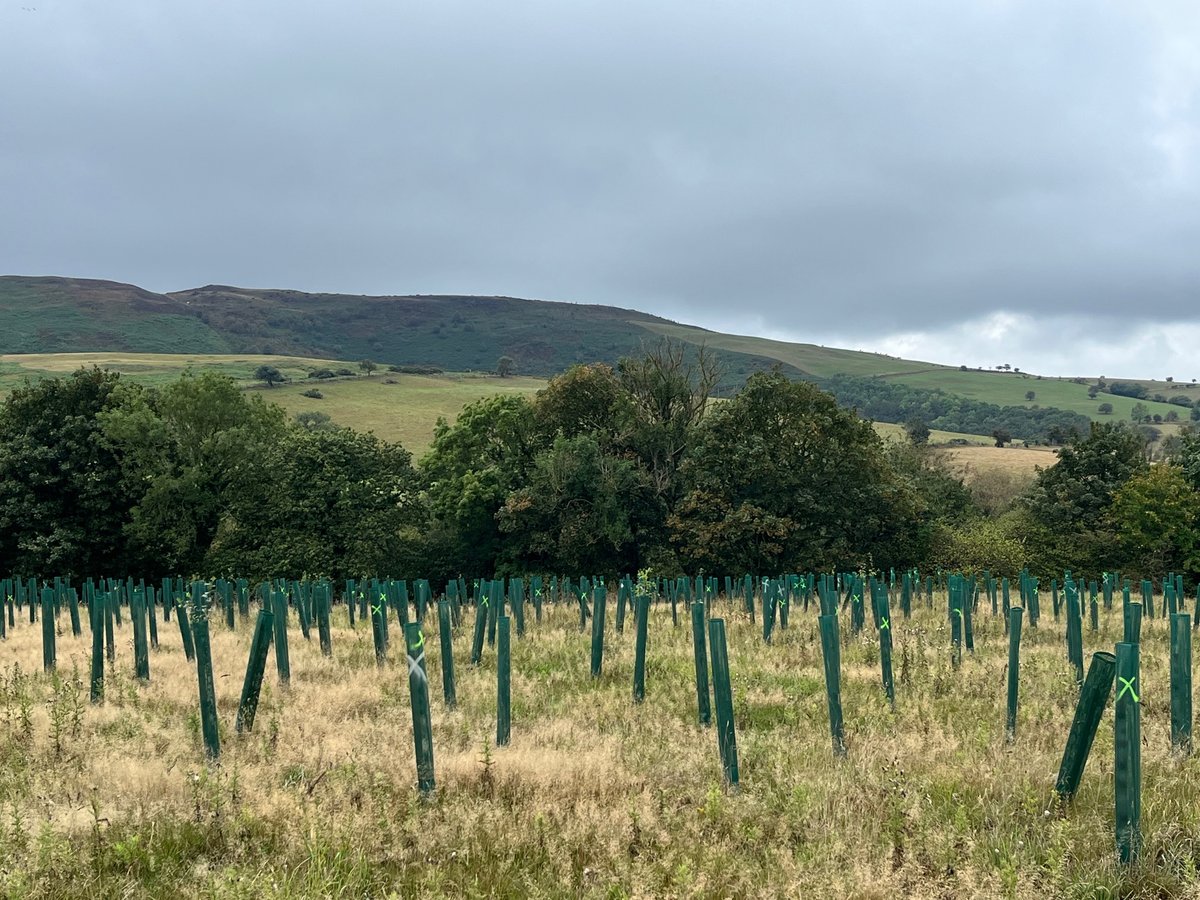
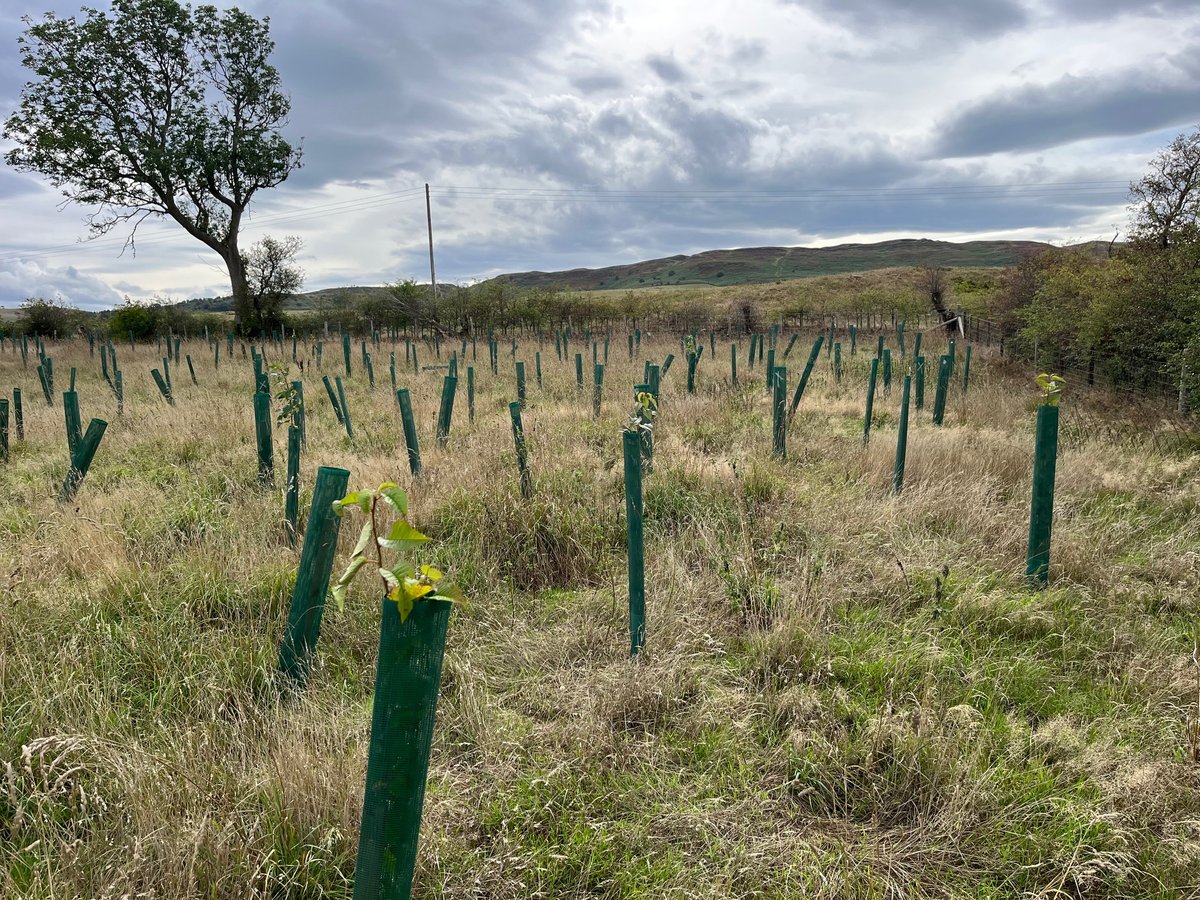
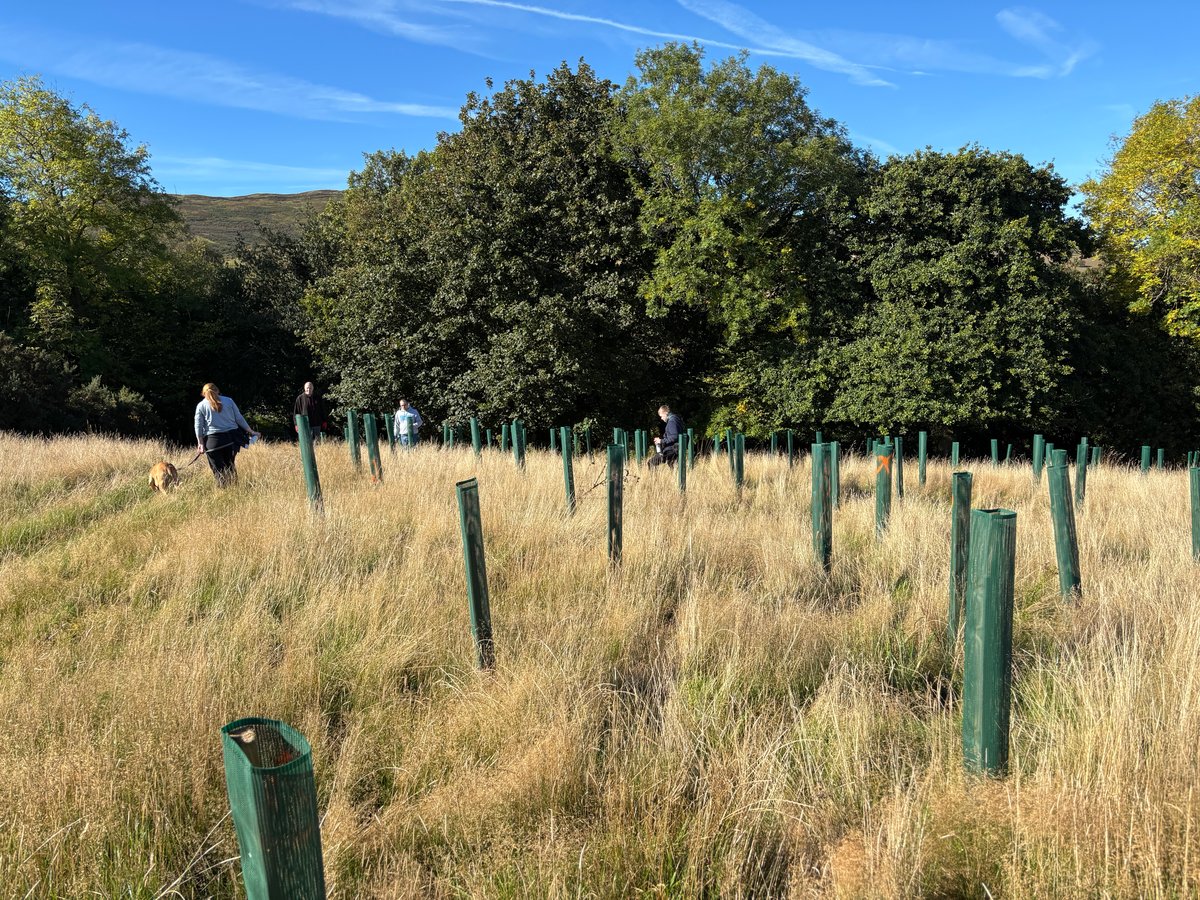
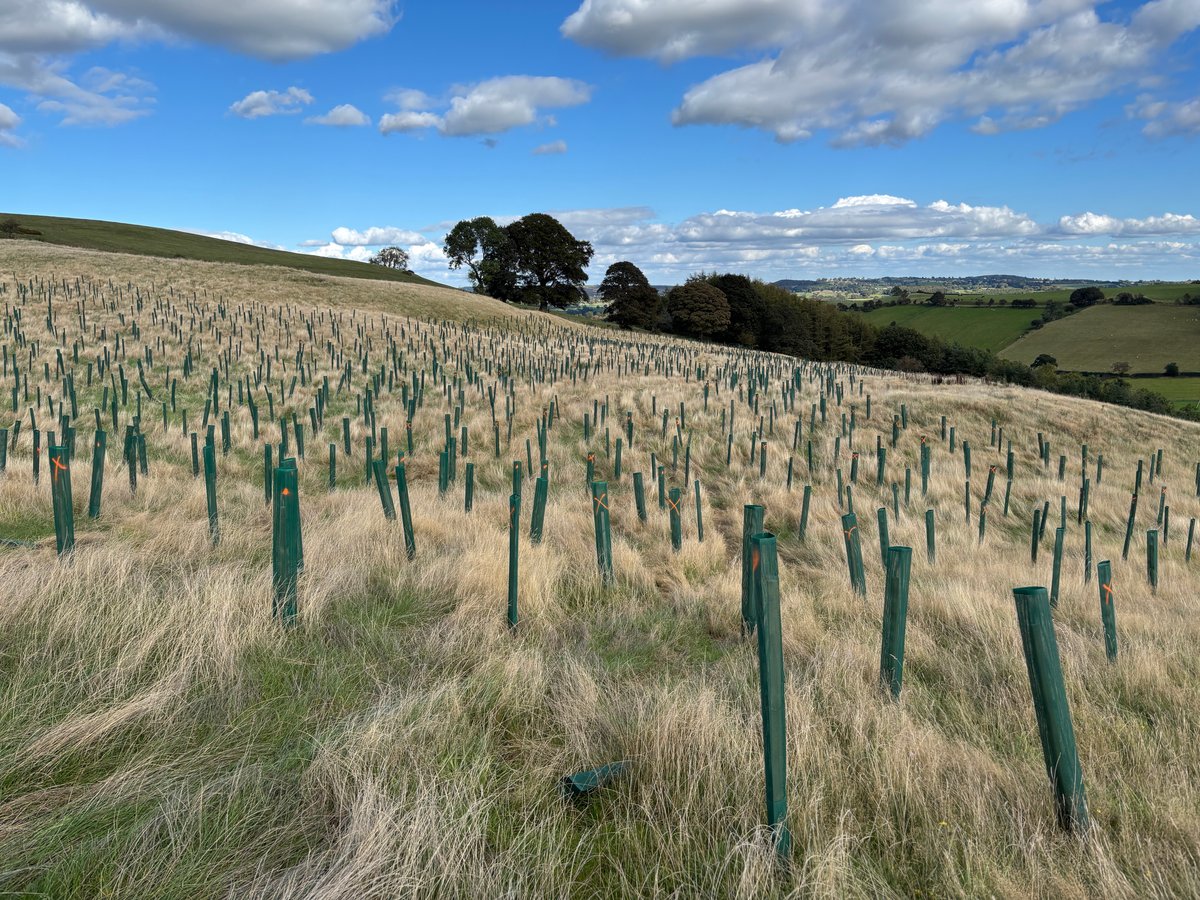
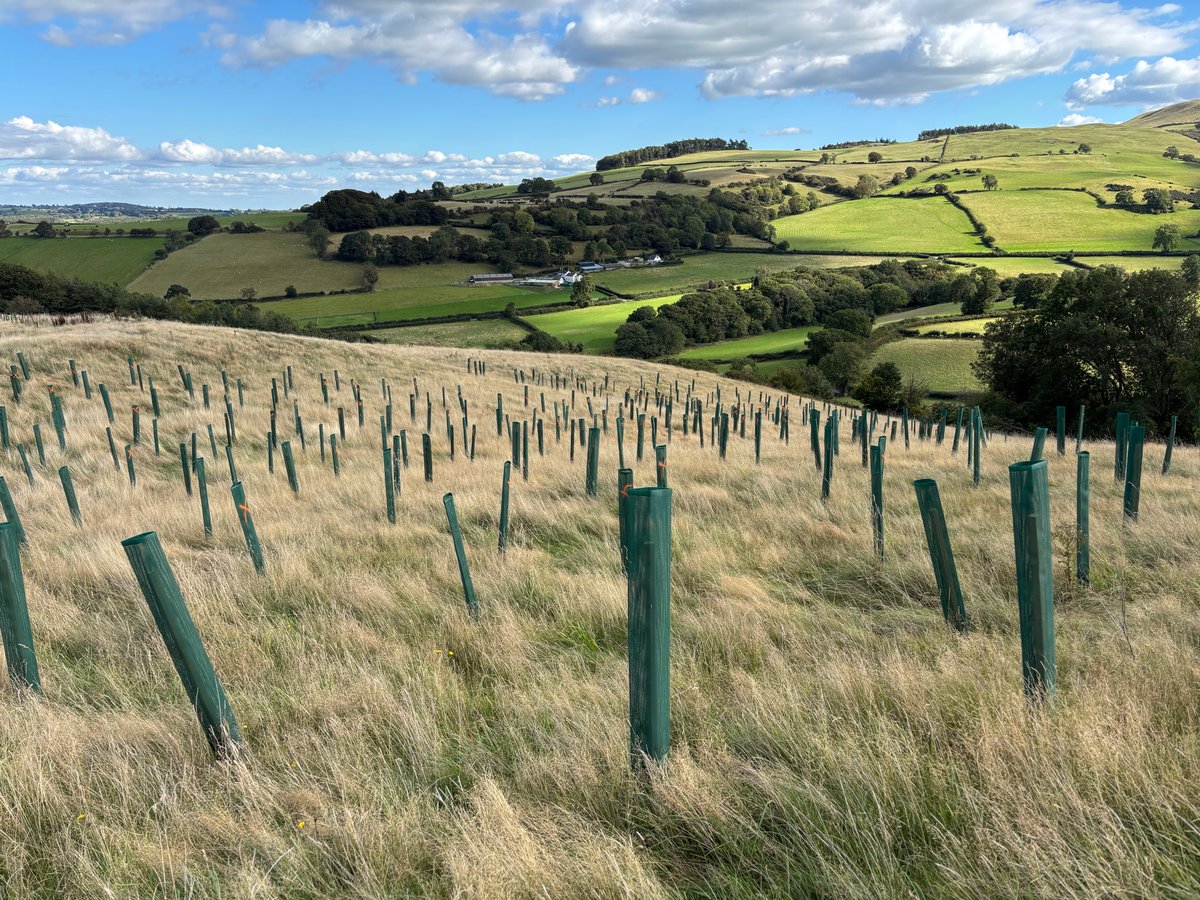
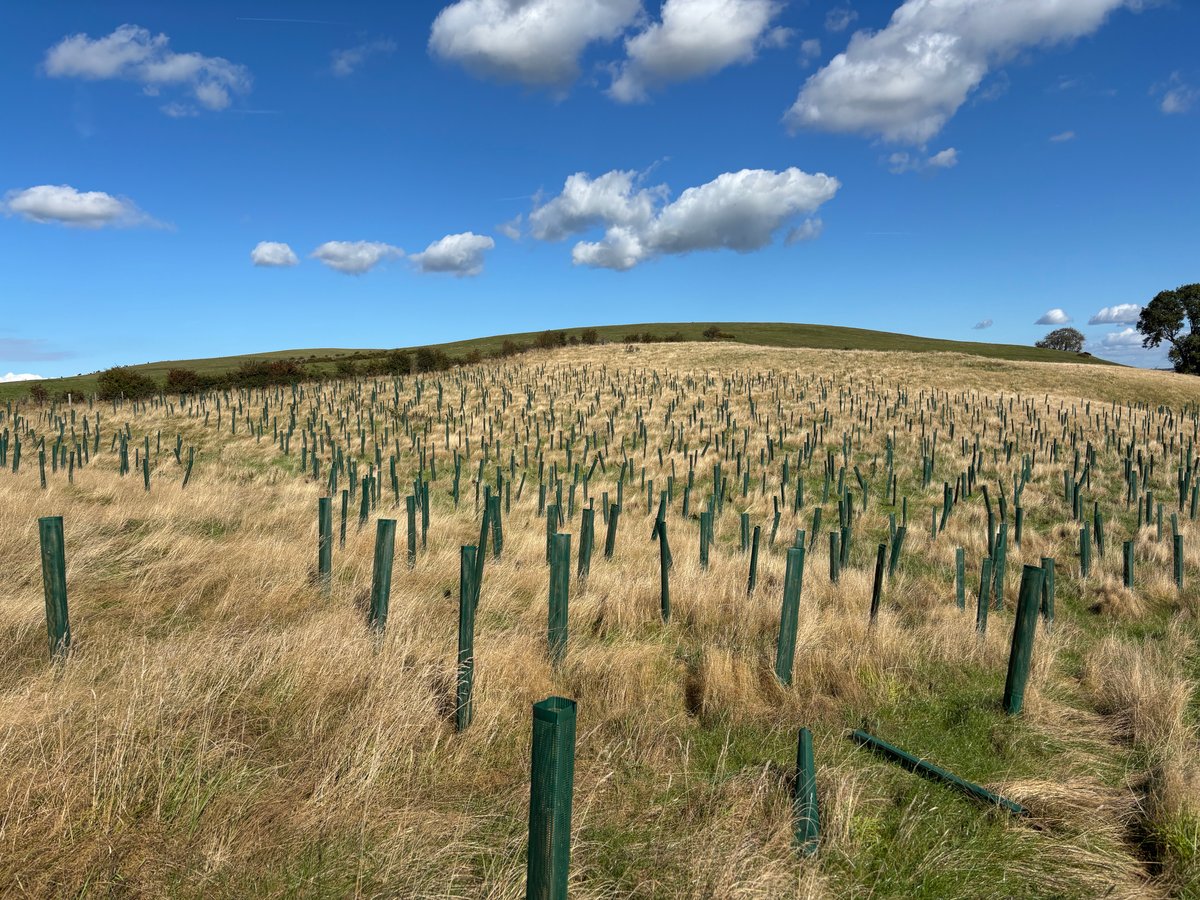
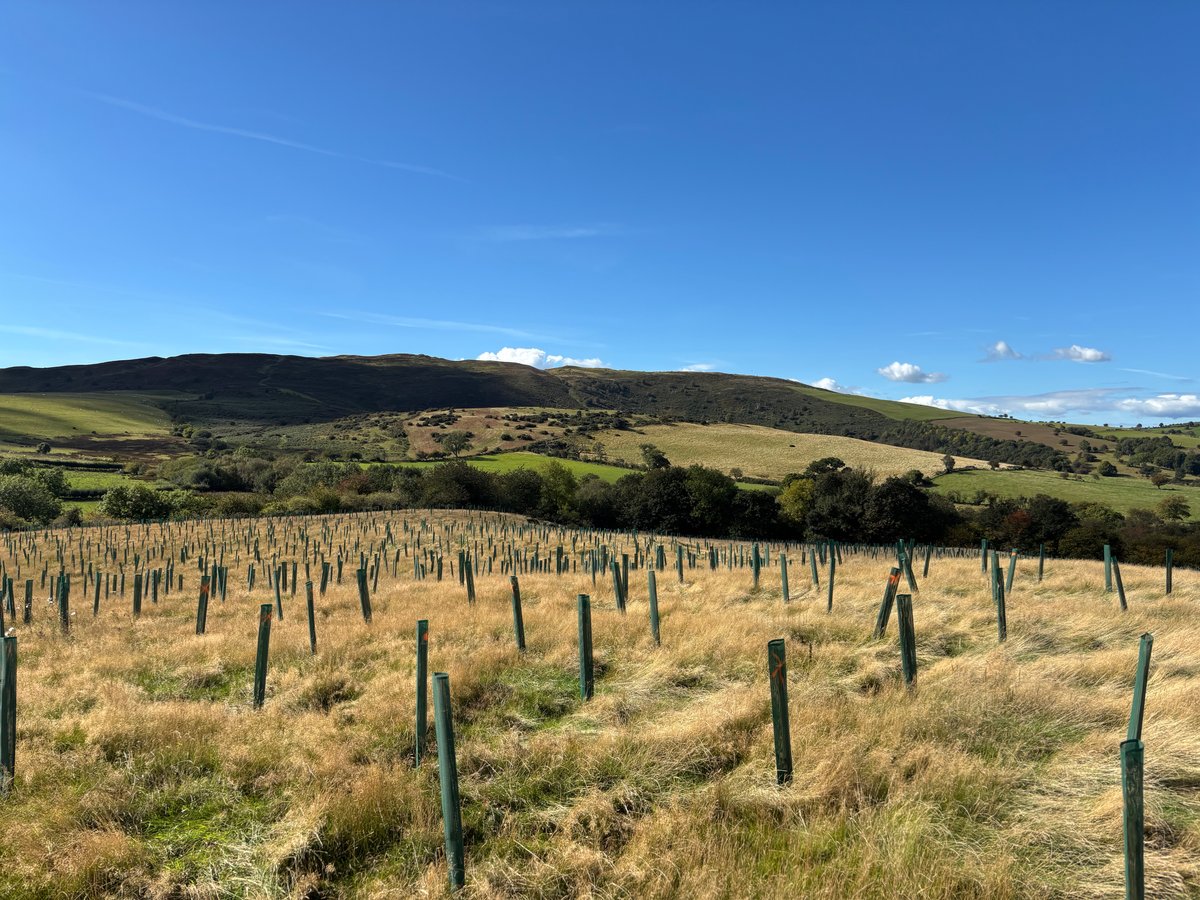
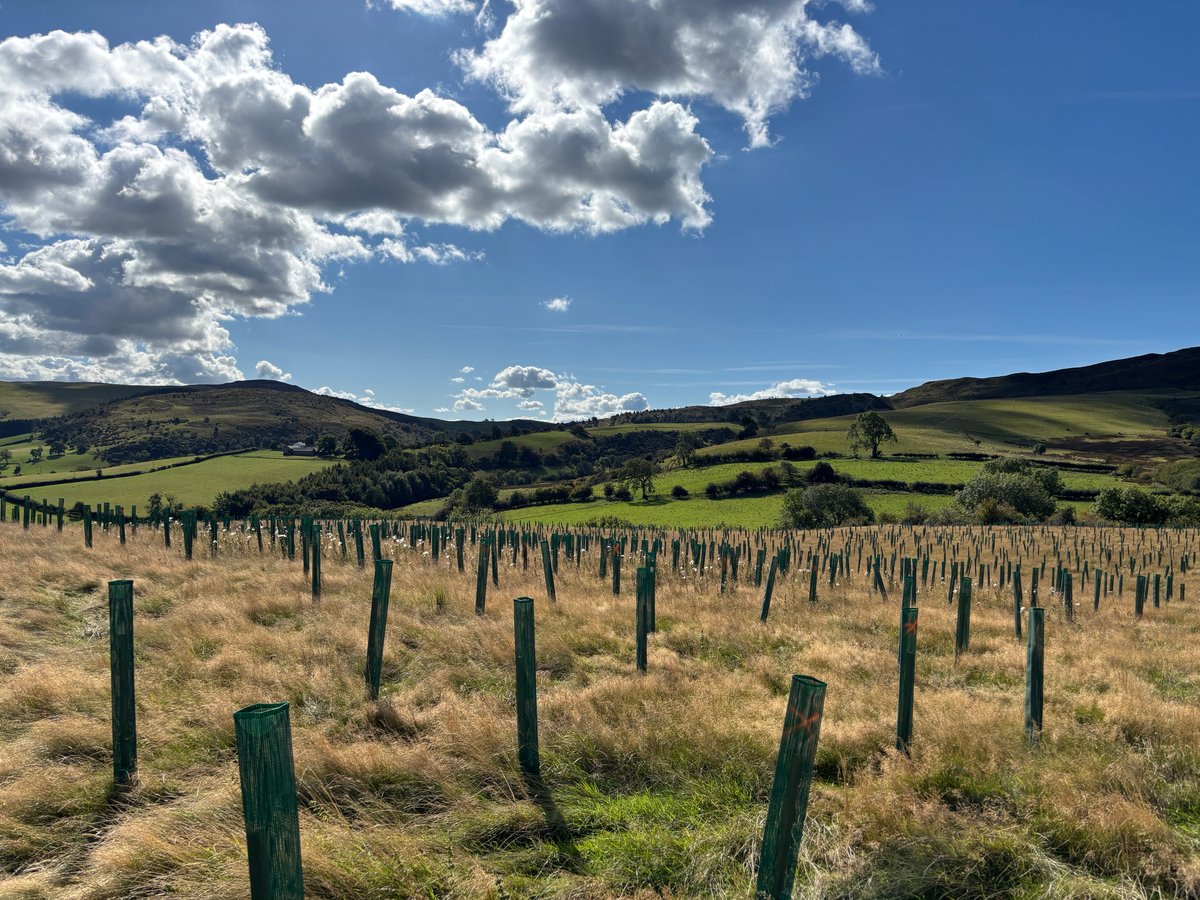
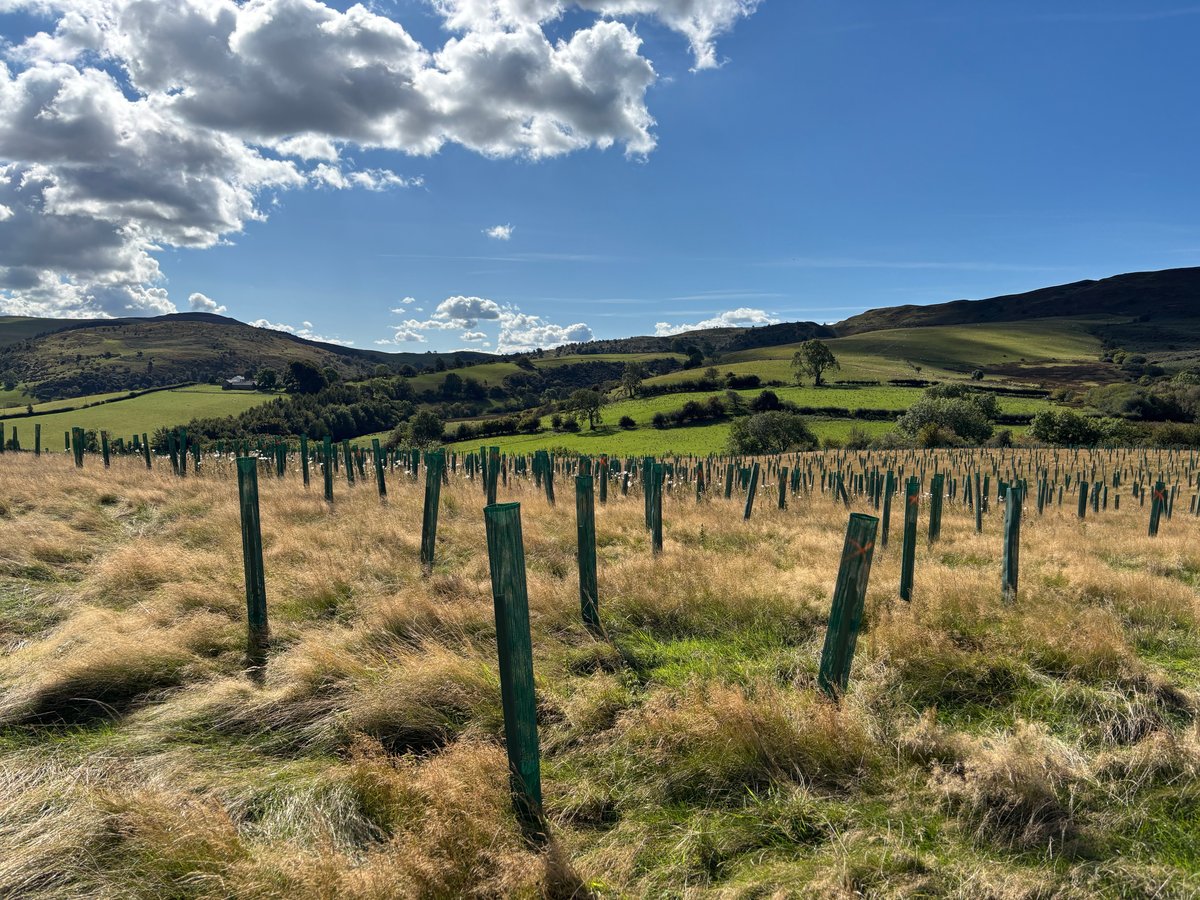
Protect Earth is planting nearly 8 hectares with a mix of native broadleaf species. We want to plant around 11,000 trees at a density of 1,600 per hectare. The main woodland creation will be Oak over Hazel with areas of Birch, Aspen, and Wild Cherry. The periphery of the woodland will be Rowan, Hawthorn, and Crab Apple.

Eventually, the site will be predominantly woodland, but overall, there will be an interesting mix of other habitats—scrub, open grassland, gorse, bracken—on site, providing habitat for a wide variety of wildlife and providing space for the community and visitors to enjoy Nannerch.

The main woodland will eventually provide habitat for western Oakwood bird species, including the quintessential trio of this habitat: Pied Flycatcher (a bird that was listed as red on the UK red list but has since stabilised and is now listed as amber), Redstart, and Wood Warbler (in the red category on the red list). All are summer migrants that spend the winter in Africa, and all are declining. The tree species on the periphery of the woodland will provide a source of nectar in early spring for newly emerged butterflies, along with a source of fruits and berries for birds and other wildlife in autumn and into the winter.

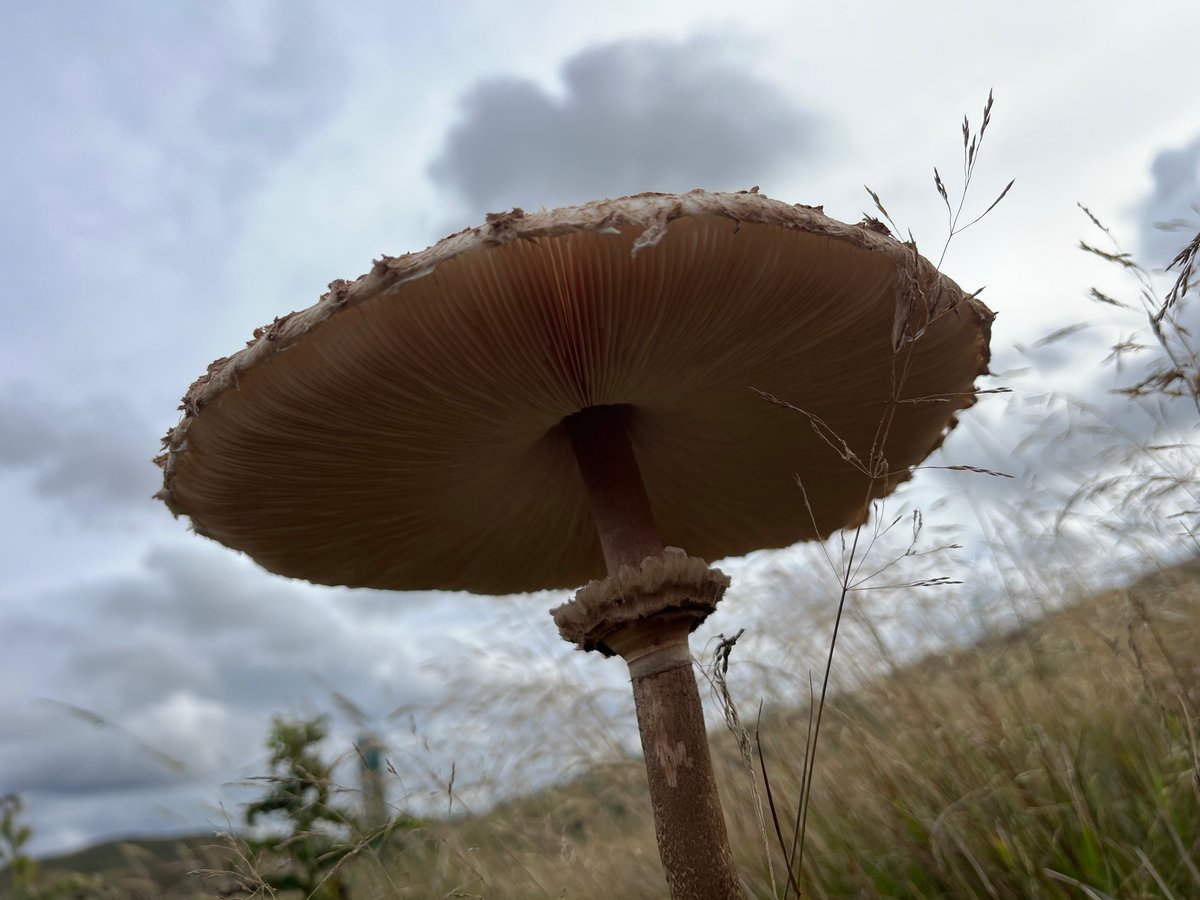
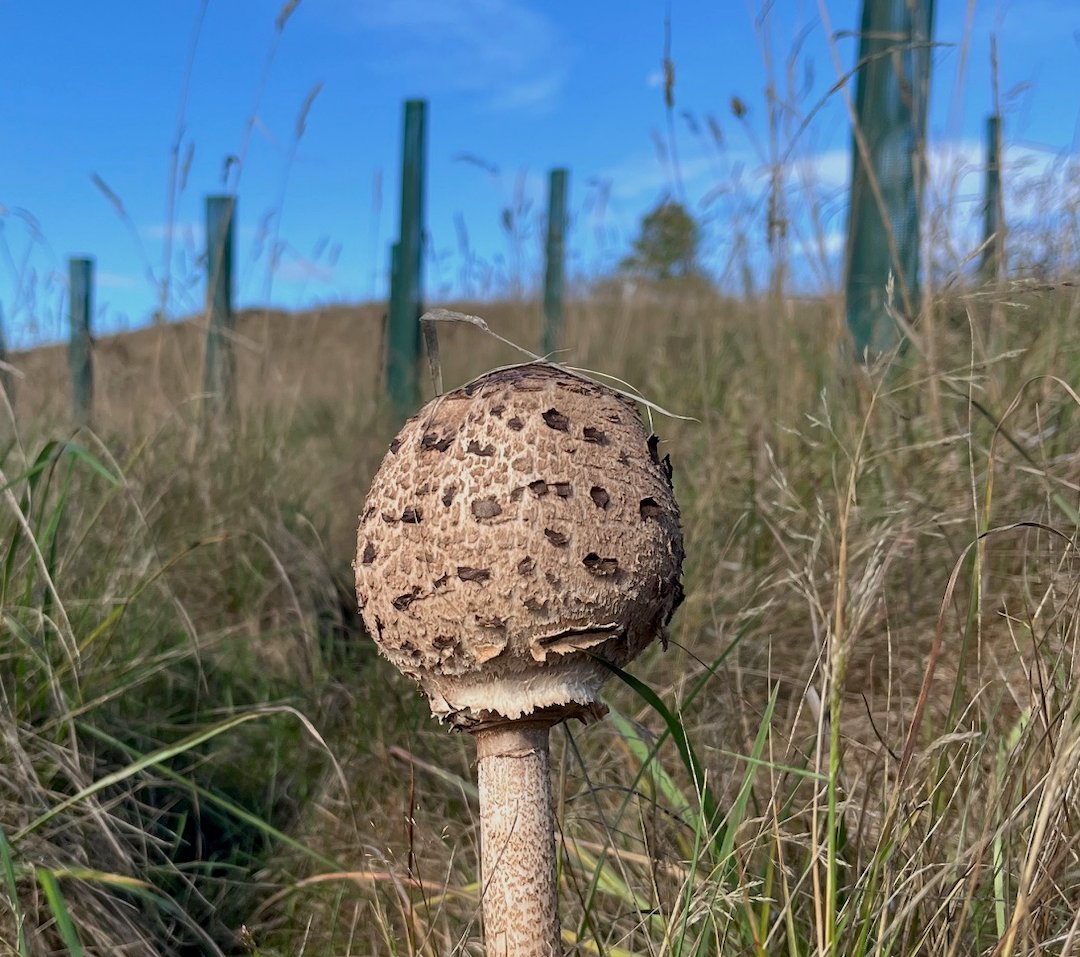
Areas of scrub, bracken, and gorse will provide habitat for summer warblers, butterflies, and other invertebrates, contributing to biodiversity enhancement. The grasslands will hopefully remain rich in fungi and become more botanically interesting as the heavy grazing regime changes. It will also continue to provide foraging areas for badgers, which are currently found on site.

We will plant more than 11,000 trees overall. Our main aim is to protect and enhance the areas biodiversity and sequester carbon but, as the site develops, to also provide a place of quiet enjoyment for local people.

In partnership with

📝 Site Updates

September 2025

Beat-up Survey 📊 73% survival rate

Normally we wouldn’t be checking survivals the first summer after a late winter planting as there’s usually not much that’s going to have changed other than a bit of rabbit nibbling, but with an intense summer drought and a difficult group of contractors we wanted to see how things were going.

The answer is not brilliantly, but manageably, with a 73.4% survival rate. This varied a lot on the area, so here are a few that stood out.

The north west areas were planted on the first day of our volunteer planting, and had the best survival rate by far. The volunteers who planted it all cared so much about the planting that they even came back to help with this maintenance and survival work, so you know they were on board. This section was also protected by trees on two sides, and from a hill on another, they were all standing upright and doing brilliantly, giving it a natural advantage.

Other areas had a series of problems to content with. The eastern field has dropped to 58% survival, which was not helped by the more exposed nature of the site. Lots of wind and direct sun could contributed to things, but the planting work itself was certainly not up to our high standards. Various issues of all sorts, from antisocial behaviour towards neighbours, long delays, discarded bags of trees, littering, it was a literal and metaphorical mess that we have spent months fixing the best we can. This experiment with outsourcing planting (and attempting to put money into the local economy) made me question the approach. We will be reviewing our approach to large scale planting when its beyond the scope of local volunteers, perhaps to focus on hiring local individuals and managing the team ourselves, so we can ensure the trees and the community are all thriving.

Next steps here will be to return after Christmas and plant up the areas that are the worst hit by bad planting and adverse weather conditions.

Site Location

Help Protect Earth - Take Action Now ↓

Volunteer

Help us create and maintain new woodlands, hedgerows and wildflower meadows! We need volunteers to sow seeds, plant saplings, clear invasive plant species and pick up litter. No qualifications necessary; jobs for all ages and abilities. Come and turn climate anxiety into climate action!

Upcoming Events →

Fund Our Work

With government funding for reforestation and rewilding tenuous, we increasingly rely on our amazing community to keep us growing regardless of political shifts. Help Protect Earth continue to restore ecosystems and improve biodiversity across the country:

Support the Land Fund

Help us put down roots! Your donations to our Land Fund let us seize the moment when the perfect piece of land comes up for sale. Every penny helps us secure community woodlands, healthier ecosystems, and a greener future for generations to come.

Land Fund →